Thousands of social housing tenants in the Canary Islands, caught between a decree in force and a government that will not apply it
Nearly 10,000 families could opt to buy the protected home they have lived in for decades, but the procedure only starts if the administration publishes the sale offers — and it is not doing so, just as rents in the islands hit record highs.
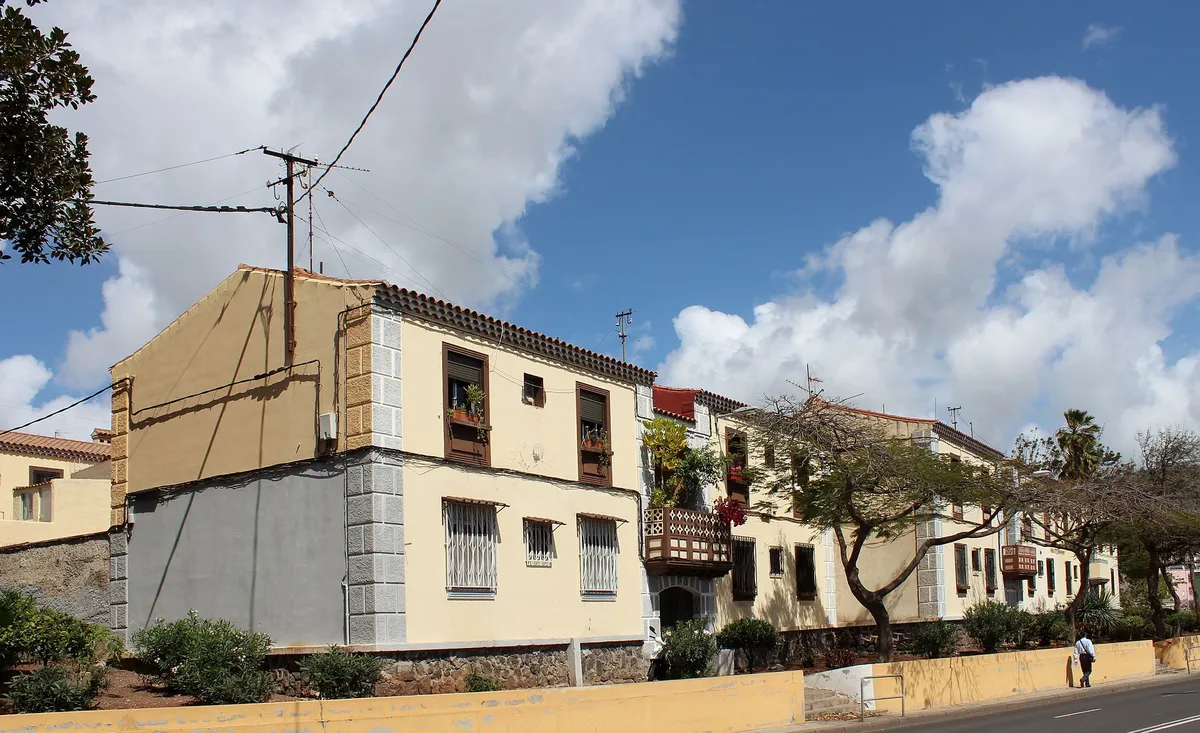
Nearly 10,000 families in the Canary Islands who have spent decades paying rent on a protected home still cannot buy it. It is not for lack of a law: Decree 1/2023, approved by the previous regional government, has regulated for more than three years how tenants of public housing built before 1996 can become owners. The problem is who holds the key to the procedure.
The rule requires tenants to live in the home permanently, to own no other property and to have paid at least 35% of the rent instalments billed. Many of the affected families comfortably meet those requirements. But the process is not started by the tenant: it is started by the administration, through what are known as sale offer resolutions for each housing development. Without that prior resolution, there is nothing to apply for. And the government of Fernando Clavijo is not publishing them.
Two readings of the same decree
The Socialist Party (PSOE), through its parliamentary spokesperson Sebastián Franquis, argues after meeting affected residents — including the Plataforma Ciudadana de Viviendas Sociales en Lucha and the Plataforma 289 Vivienda por Derecho — that there is no legal obstacle at all: the rule remains in force, has been neither repealed nor amended, and was created precisely to make buying possible. What is missing, the socialists say, is political will. They will therefore request the appearance in parliament of the regional minister for Public Works, Housing and Mobility, Pablo Rodríguez, and will table a motion demanding that the process be opened immediately.
The other side also relies on the decree itself. The public company VISOCAN, which owns a large share of these homes, has told tenants that «there is no plan whatsoever to offer the sale» of their developments, arguing that the rule forbids any sale that would damage the administration’s assets. Its argument is accounting-based and fiscal: transferring flats at the original protected price — around 37,000 euros in the known cases — when their current value is close to 134,000 would create a difference the tax authority would treat as a gratuitous transfer, at a cost the company has estimated at almost ten million euros for some 700 homes.
The worst possible time to stay a tenant
The deadlock comes with the Canary Islands rental market at all-time highs. The average price now exceeds 15 euros per square metre after successive rises — up 143% since 2013 — and households in the archipelago spend on average more than half of their gross salary on rent, the greatest effort in Spain alongside the Balearics and Madrid, made worse by the islands having some of the lowest wages in the country. With construction at a minimum, a tiny public housing stock and pressure from holiday lets, anyone who loses a protected tenancy will struggle to find an alternative on the open market. For these 10,000 families, buying at the protected price or remaining tenants is not a legal nuance: it is the difference between building up an asset and being exposed to the most expensive market the islands have ever known.
A conditional right
The result is a hybrid: a right recognised on paper whose exercise depends on an administrative decision with no enforceable deadlines. The regional ministry itself has admitted that the decree establishes the procedure but does not by itself guarantee the handover of the homes. Until the matter is settled — in parliament or, if the residents’ platforms litigate, in the courts — the families keep paying for a flat they consider their home without knowing whether it will ever be theirs.
The clash is set for September, with the return of parliamentary activity.
More in News
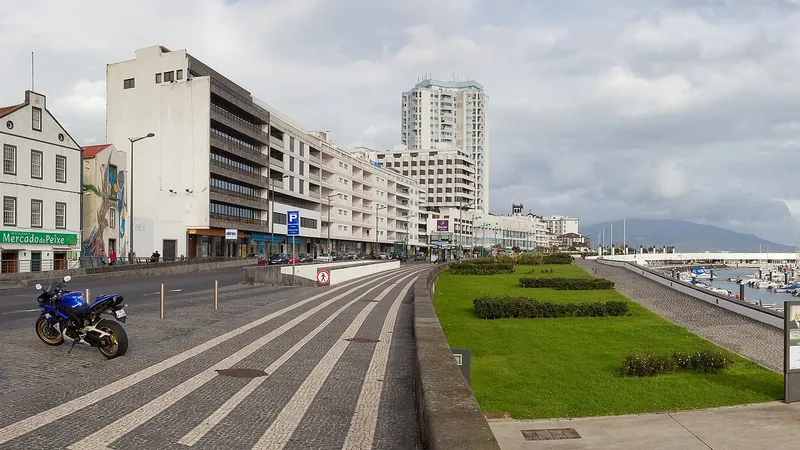
The Azores close their EU recovery funds with 622 buildings built or refurbished for housing
The Azores close the PRR with all 39 milestones met and 918 million euros mobilised. In housing: 622 buildings built or refurbished, serviced plots and rent-to…

Housing prices open a widening gap between the north and south of La Palma
While Los Llanos de Aridane and Fuencaliente see prices rise on the back of tourist pressure and the Tajogaite reconstruction, northern municipalities such as …
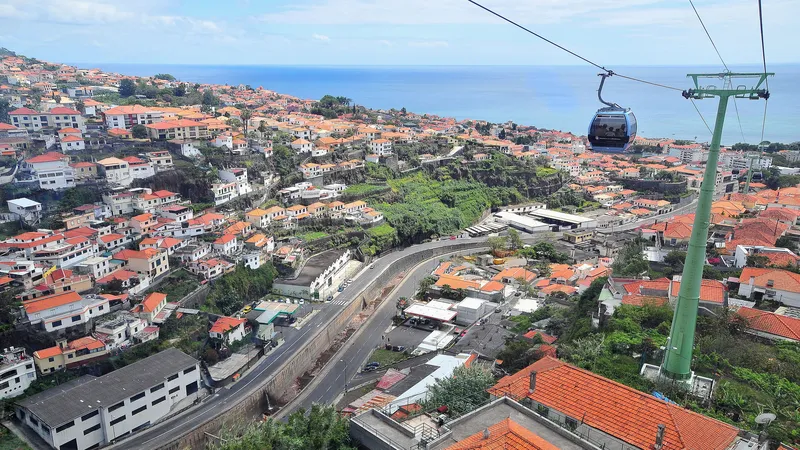
Record prices and shuttered houses: two faces of the same housing crisis across the Atlantic islands
Thirty stories from the Canaries, Madeira, the Azores and Cape Verde this week. Read together, they tell a single story with two opposite endings.
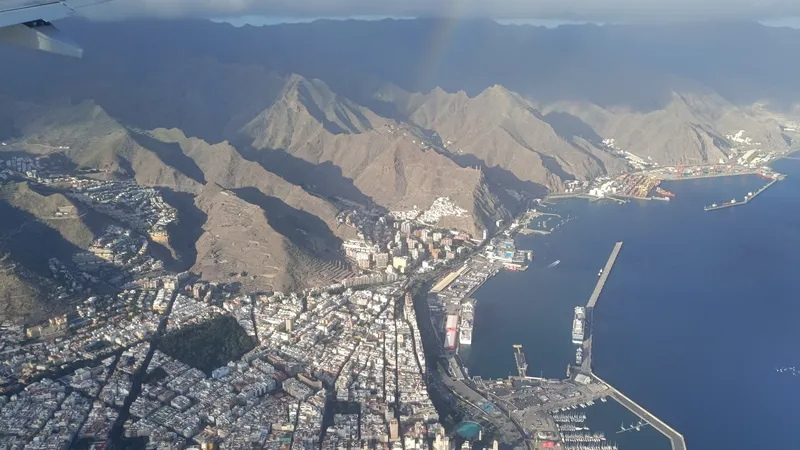
House prices in the Santa Cruz–La Laguna metropolitan area hit record highs in 2026
Buying a flat in the Tenerife capital or in La Laguna has never been so expensive: property portals put the price per square metre at record levels, while the …