Housing prices open a widening gap between the north and south of La Palma
Two very different speeds on the same island
La Palma's housing market has long presented two opposing realities, as various property portals agree. In the south and west, municipalities such as Los Llanos de Aridane and Fuencaliente have seen sustained price rises, driven by the reconstruction that followed the Tajogaite eruption, by tourism and by demand for second homes. In the north, towns such as Puntagorda, Tijarafe and Garafía still offer markedly cheaper housing, though the stock is far smaller and older.
Depopulation as the underlying explanation
Property sector sources put much of the difference down to the demographic trajectory of each area: while the south and the island capital concentrate young people, jobs and services, the north of the island has been losing population for decades, leaving homes empty or tied up in unsettled inheritances, which pushes prices down.
Scenic appeal partly offsets the distance
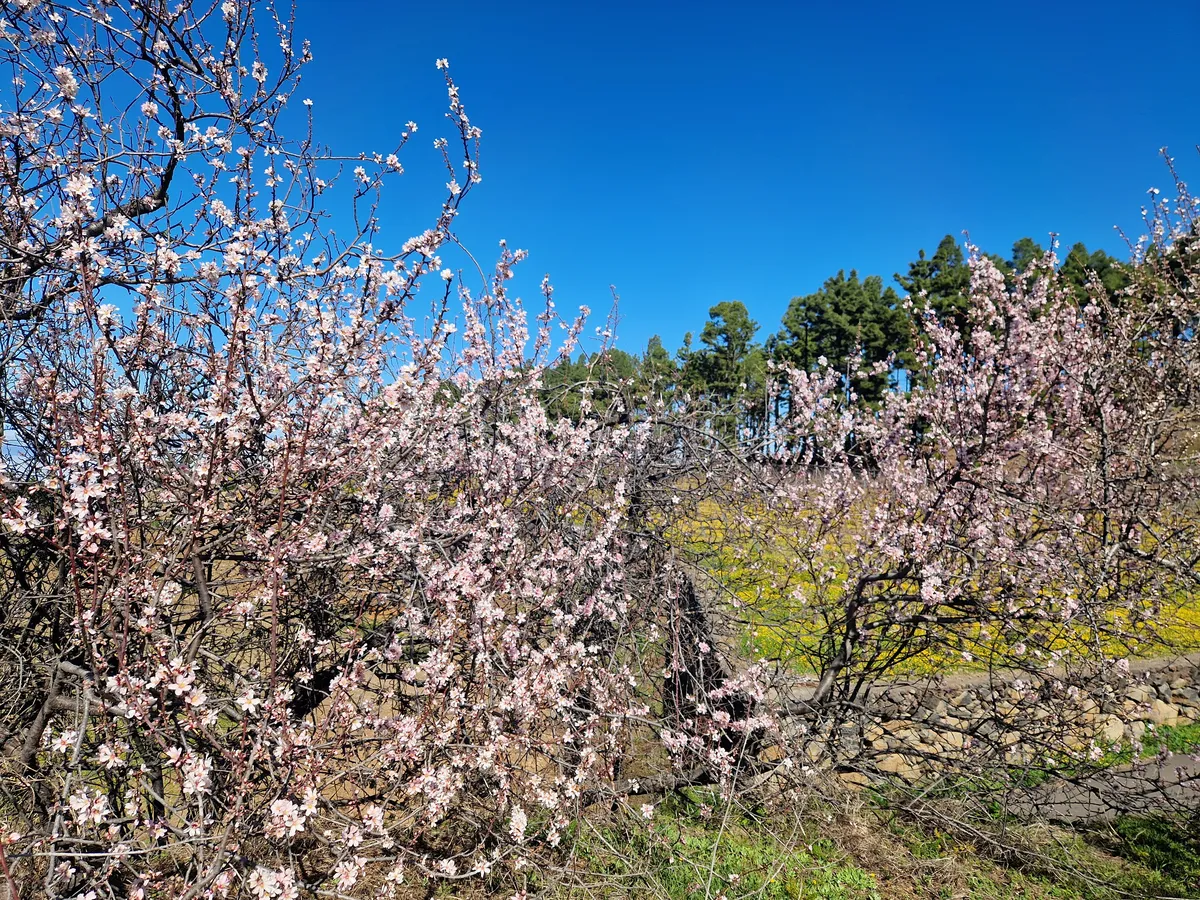
Despite the weaker demographic pressure, the northern landscape, with its almond trees in blossom each winter, attracts a very particular kind of buyer: people looking for a quiet second home or a change of life in the countryside. Property portals report a modest but steady rise in enquiries from non-resident buyers in municipalities such as Puntagorda.
A challenge for the island's territorial cohesion
This two-speed market worries northern councils, which fear they will lose any ability to attract young families unless they can offer, alongside cheap housing, enough jobs and basic services. The Cabildo of La Palma has made the territorial balance between the north and south of the island one of the pillars of its medium-term housing planning.
Los Llanos de Aridane, the epicentre of reconstruction
Los Llanos de Aridane accounts for much of the property activity arising from the 2021 Tajogaite eruption, with many affected families seeking replacement homes while compensation claims and the new social housing schemes planned by the Government of the Canary Islands are resolved. Local developers point out that this additional demand, on top of tourist interest in the Aridane Valley, has stretched a market whose prices were already above the island average before the eruption.
Fuencaliente, between wine and tourism
In Fuencaliente, the combination of renowned wineries, volcano trails and proximity to the coast has turned holiday and second-home property into a driver of rising prices, as several property portals agree. Residents acknowledge that the demand benefits the local service sector, but it also makes it harder for young people from Fuencaliente to buy a home in their own village without moving elsewhere in the southern district.
Puntagorda, an example of the island's other face
At the opposite end, Puntagorda still has some of the lowest housing prices anywhere on La Palma, a figure that attracts outside buyers but also reflects the municipality's weak demographic dynamism, with a population register that has been falling for decades. Puntagorda Council has asked the island's Cabildo for targeted support to attract young families, combining affordable housing with incentives for farm employment and small rural businesses, in an attempt to halt the growing imbalance with the south of the island.
More in News
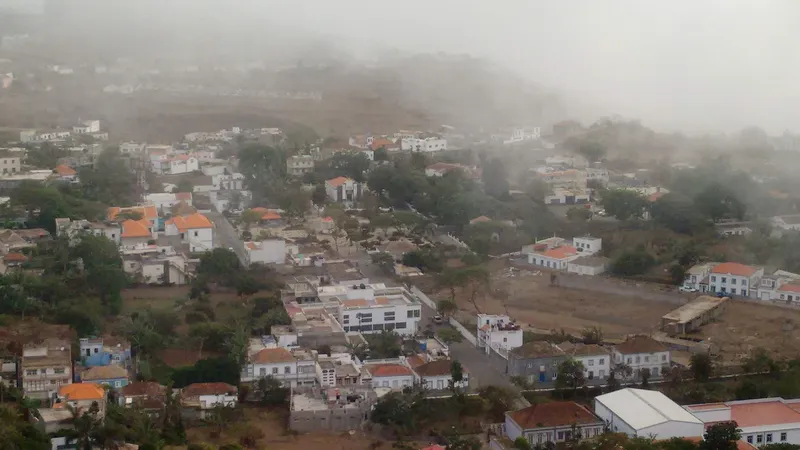
Brava, Cape Verde's smallest island, watches its houses empty out in step with emigration
With just a few thousand inhabitants and a population that keeps shrinking, Nova Sintra has a property market that is nearly frozen, kept alive solely by diasp…
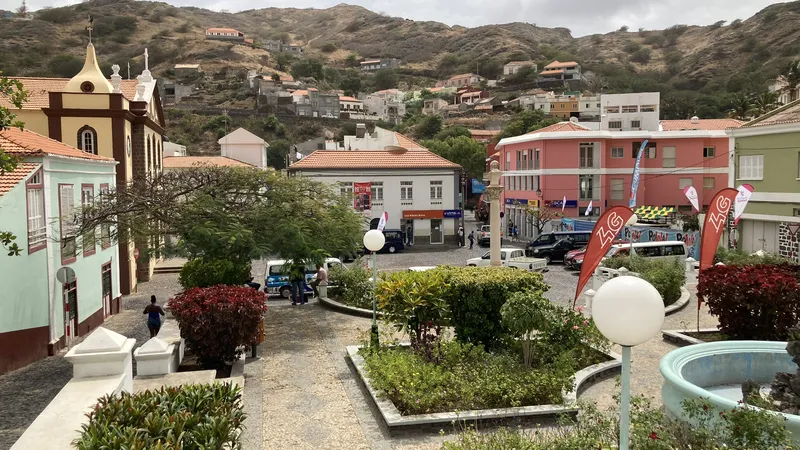
Ribeira Brava holds steady prices as emigration sets the market's pace
In São Nicolau, remittances from the diaspora sustain the building of family homes, but a lack of local buyers leaves a housing stock with many houses shut for…
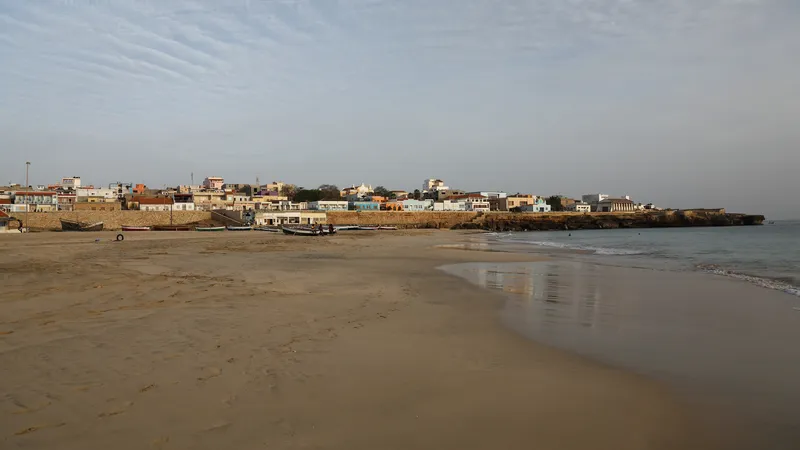
Maio, the island where buying a home is still nearly impossible for lack of supply
With the least developed property market in all of Cape Verde, Vila do Maio records barely any sales, while emigration leaves homes standing empty, neither sol…
Volcanic risk is already shaping house prices in São Filipe
At the foot of the Pico do Fogo volcano, memories of the last eruption continue to weigh on the value of homes near the caldera, while São Filipe's town centre…