Ribeira Brava holds steady prices as emigration sets the market's pace
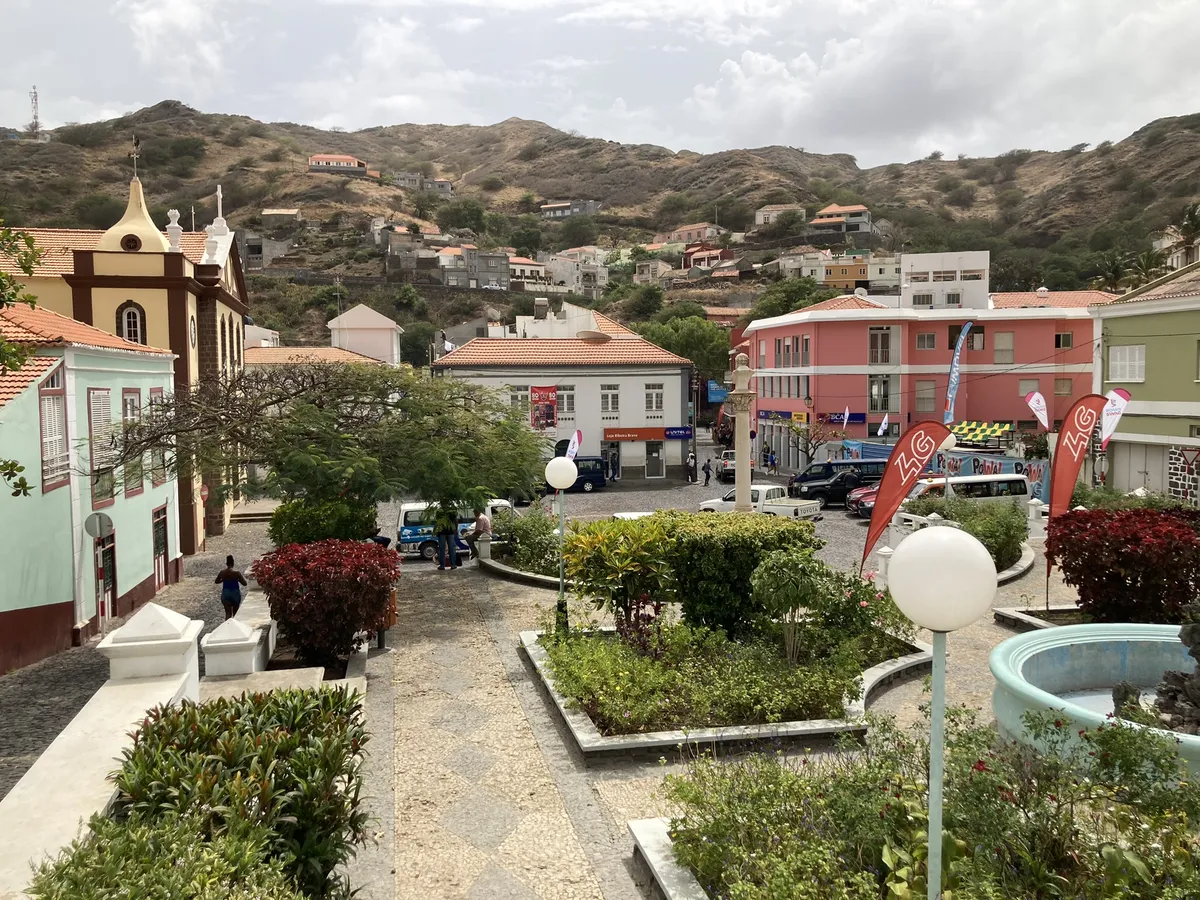
The property market of São Nicolau, with Ribeira Brava as its main urban hub, looks very different from that of Cape Verde's tourist islands. There are no resorts here, nor pressure from foreign buyers: as it has for generations, the engine of residential building remains the Cape Verdean diaspora who emigrated to the United States, Portugal and other European countries, financing the construction or extension of the family home with remittances.
Building with remittances, not buying on the open market
According to local property sector sources, a large share of the homes in Ribeira Brava and other settlements on the island, such as Tarrafal de São Nicolau, have gone up through self-building financed from abroad, outside any conventional sales market. That explains why reference prices are low and stable — a family home can go for between 2 and 5 million CVE (between 18,000 and 45,000 euros) — but also why there is little real supply available to anyone looking to buy without family ties on the island.
Houses that open only for the holidays
A distinctive feature of São Nicolau, noted by municipal sources, is the significant number of homes built by emigrants that stay shut for most of the year, occupied only during summer family visits or on notable holidays. This pattern, also common on other islands with a strong tradition of emigration, reduces the effective rental and sales supply available to the population that lives on the island year-round.
A farming and fishing economy that generates no property surplus
São Nicolau's economy, resting on farming in its interior valleys and on fishing, generates limited income, making it hard for the resident population to enter the sales market without help from the diaspora, according to INE data on island-level incomes. The rental market, poorly developed as a formal sector, is largely handled through informal arrangements between neighbours or relatives, which keeps official prices low but also opaque.
An attempt to boost rural tourism
Island authorities have in recent years pushed support programmes for mountain and hiking tourism, drawing on the landscape of Monte Gordo, aiming to build up accommodation demand that today is almost non-existent. Property sector sources believe that, should this niche tourism take hold, an emerging market for converted rural houses could develop, similar to what is already seen on Santo Antão, though for now the island still depends almost entirely on the cycle of remittances.
More in News
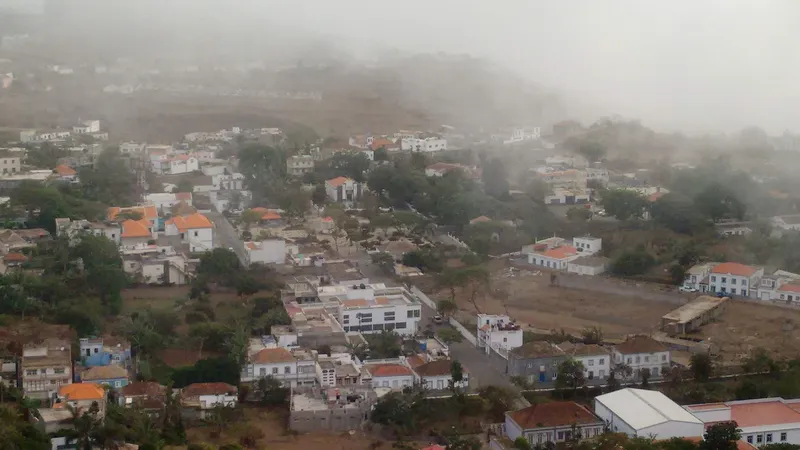
Brava, Cape Verde's smallest island, watches its houses empty out in step with emigration
With just a few thousand inhabitants and a population that keeps shrinking, Nova Sintra has a property market that is nearly frozen, kept alive solely by diasp…
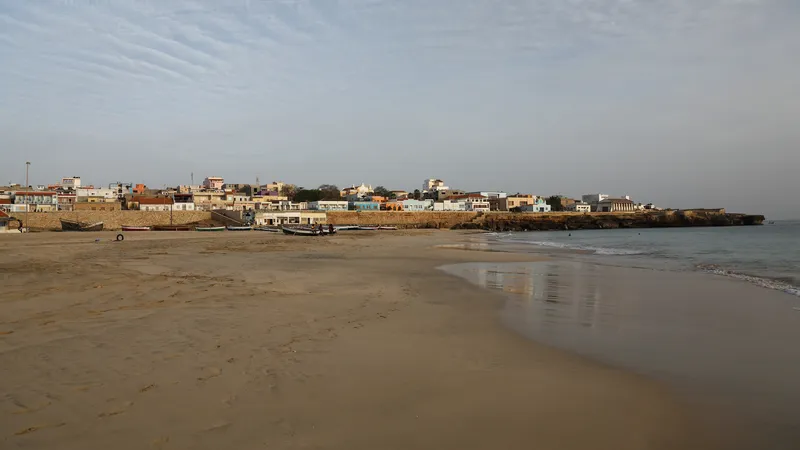
Maio, the island where buying a home is still nearly impossible for lack of supply
With the least developed property market in all of Cape Verde, Vila do Maio records barely any sales, while emigration leaves homes standing empty, neither sol…
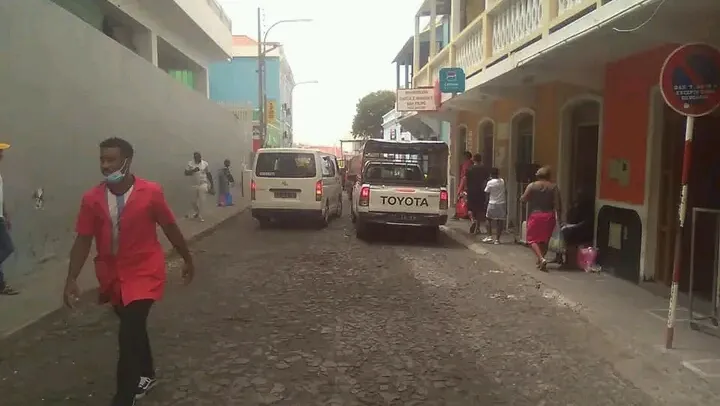
Volcanic risk is already shaping house prices in São Filipe
At the foot of the Pico do Fogo volcano, memories of the last eruption continue to weigh on the value of homes near the caldera, while São Filipe's town centre…
Boa Vista nears building saturation in Sal Rei amid a second-home boom
The rise of resorts and holiday flats on Boa Vista is driving up demand for buildable land, while doubts grow over whether infrastructure can really keep pace.