Brava, Cape Verde's smallest island, watches its houses empty out in step with emigration
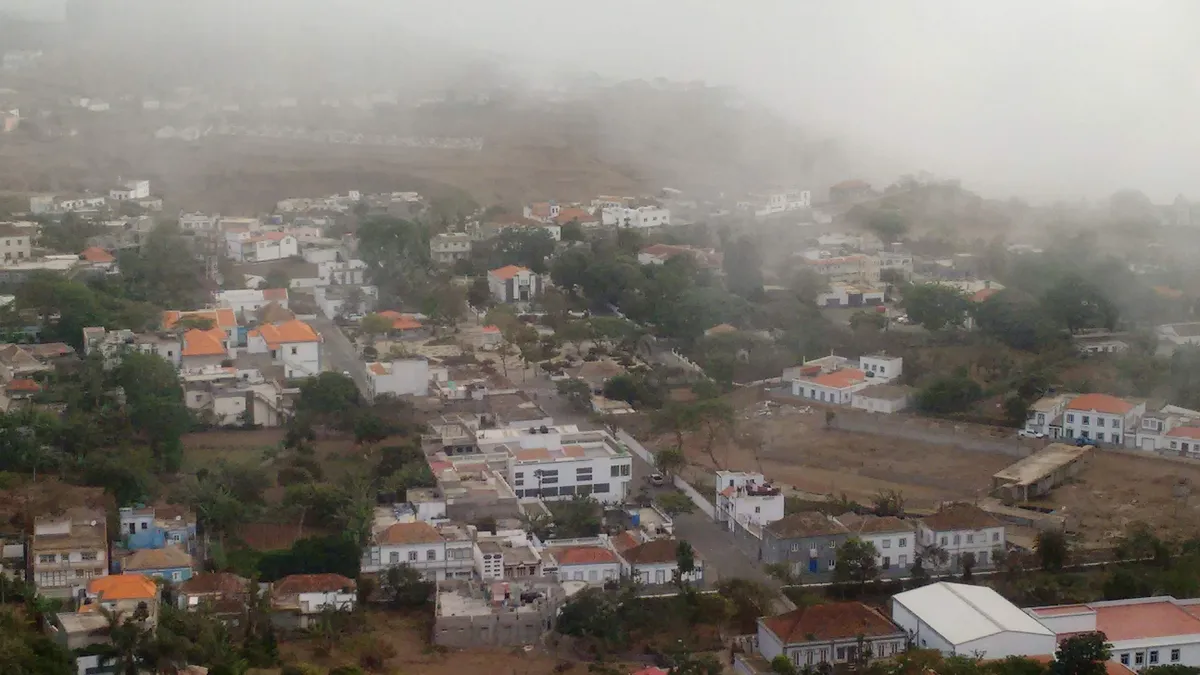
Brava, the smallest and least populated of Cape Verde's nine inhabited islands, has the most atypical property market in the archipelago. In Nova Sintra, its capital, and in the island's other settlements, the dominant trend is not rising prices but depopulation: according to data from Cape Verde's INE, Brava's population has been declining for decades because of historic emigration to the United States, dating back to the 19th-century whaling industry, which continues today towards Europe and other islands.
A market with almost no activity
Property sector sources acknowledge that Brava has barely any agencies operating regularly, and that the few sales that do go through are usually closed between private individuals, often through family contacts in the diaspora. Indicative prices for a traditional home in Nova Sintra run between 1 and 2.5 million CVE (roughly 9,000 to 22,700 euros), among the lowest in the country, with barely any reference prices for newly built homes.
Shuttered houses, a familiar sight
The townscape of Nova Sintra and of other villages on the island, such as Fajã de Água or Cova Joana, includes a significant number of shuttered homes, inherited from families who emigrated generations ago and who keep the property without putting it to continuous use, according to municipal sources. Many of these houses reopen only during the August festivities, when part of the diaspora returns temporarily to the island, generating a brief spike in social and economic activity that does not translate into a stable property market for the rest of the year.
Isolation as a structural factor
Unlike other islands, Brava has no regularly operating airport and depends on limited sea links with Fogo, severely restricting any larger-scale tourism or property development, according to industry sources. That lack of connectivity, combined with the island's small size, keeps Brava out of the tourism expansion plans that do affect Sal, Boa Vista, and even Fogo and Santo Antão.
Preservation before development
Local authorities, aware of the island's structural constraints, have focused their message on preserving Nova Sintra's architectural heritage — with its distinctly 19th-century Portuguese character — and on very small-scale tourism, rather than on active property promotion. Property sector sources agree that, barring a substantial improvement in air connectivity, Brava is likely to remain, for the foreseeable future, the island with the smallest and least dynamic housing market in all of Cape Verde.
More in News
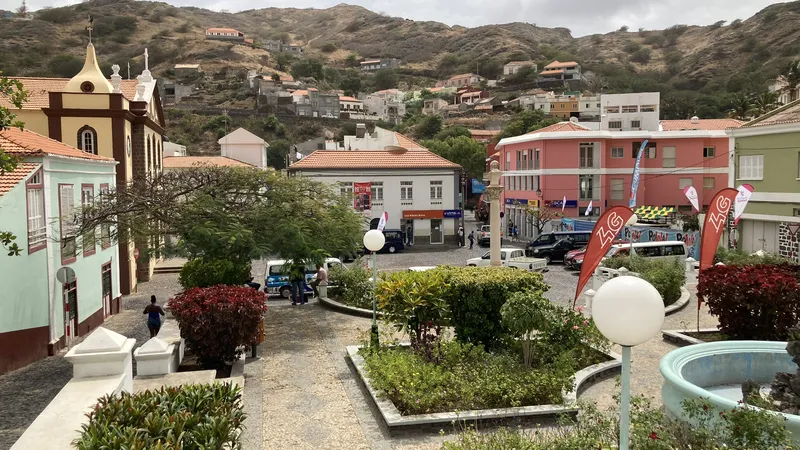
Ribeira Brava holds steady prices as emigration sets the market's pace
In São Nicolau, remittances from the diaspora sustain the building of family homes, but a lack of local buyers leaves a housing stock with many houses shut for…
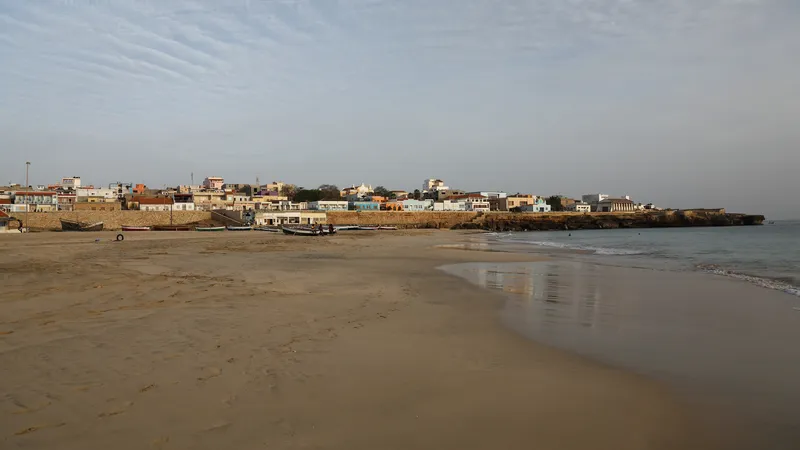
Maio, the island where buying a home is still nearly impossible for lack of supply
With the least developed property market in all of Cape Verde, Vila do Maio records barely any sales, while emigration leaves homes standing empty, neither sol…
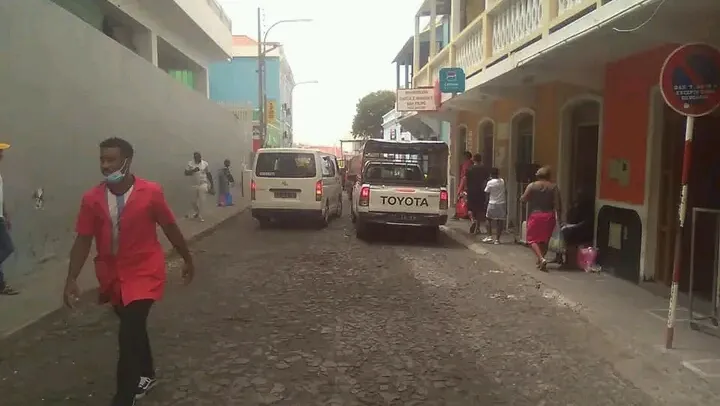
Volcanic risk is already shaping house prices in São Filipe
At the foot of the Pico do Fogo volcano, memories of the last eruption continue to weigh on the value of homes near the caldera, while São Filipe's town centre…
Boa Vista nears building saturation in Sal Rei amid a second-home boom
The rise of resorts and holiday flats on Boa Vista is driving up demand for buildable land, while doubts grow over whether infrastructure can really keep pace.