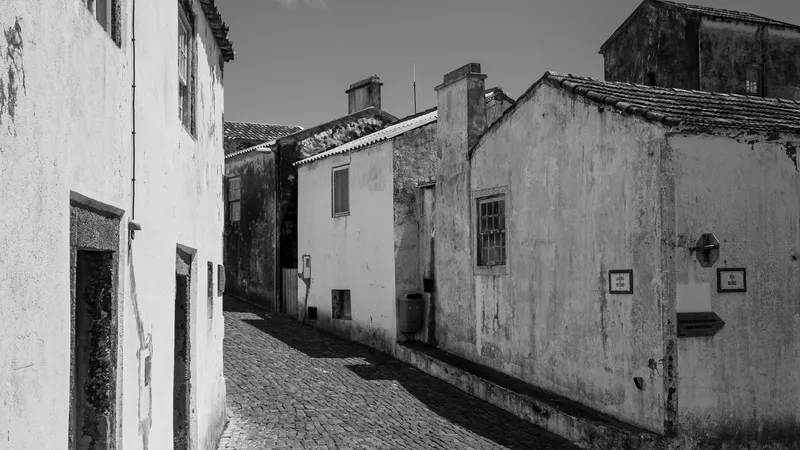
On Corvo, the smallest of the Azores islands, there is almost no property market
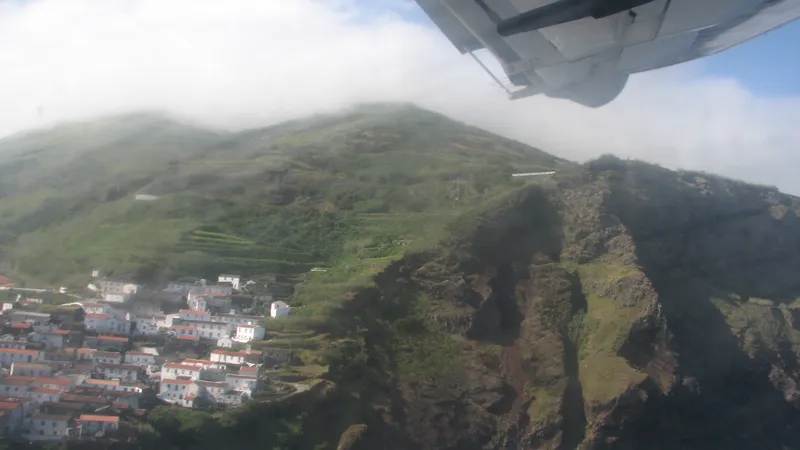
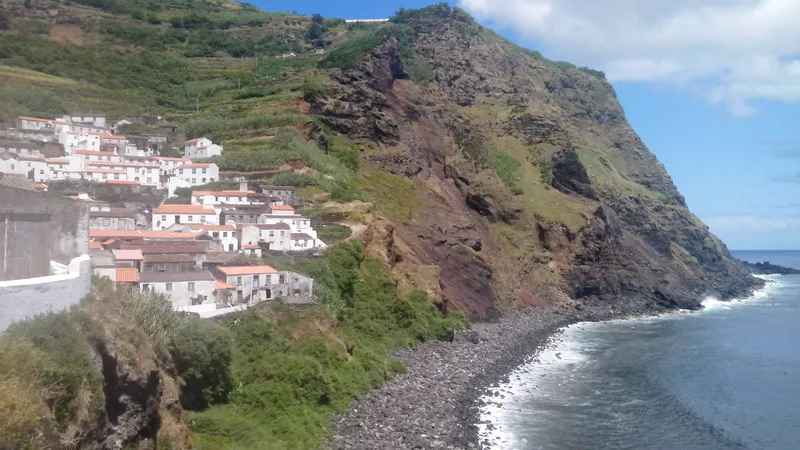
With just 400 inhabitants and a single settlement, Vila Nova, the sale of a house on Corvo is an exceptional event: there are no listings on property portals a…
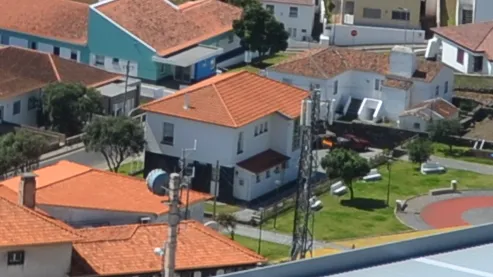
Friday 28 de August de 2026 · Macaronesia
With just 400 inhabitants and a single settlement, Vila Nova, the sale of a house on Corvo is an exceptional event: there are no listings on property portals a…
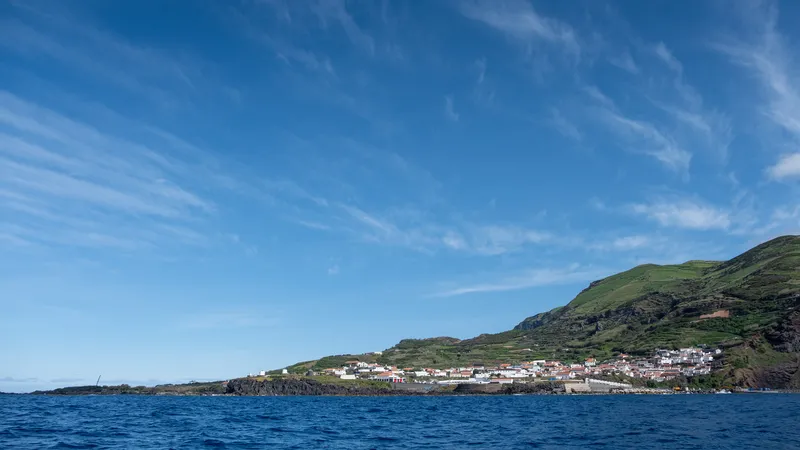
The Azores' smallest island depends on healthcare and teaching staff posted there temporarily, yet lacks suitable housing to put them up.
With the lowest population in the entire archipelago, Corvo is at the centre of regional policies aimed at keeping residents in place.
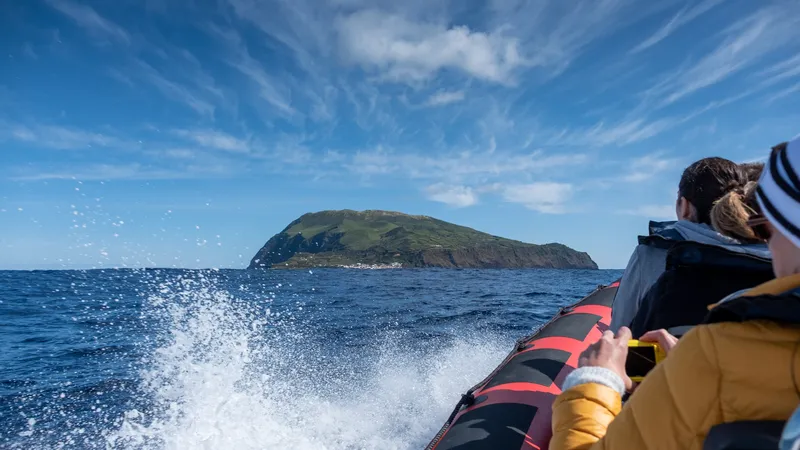
Construction on the Azores' smallest island is shaped by total dependence on sea and air transport with Flores.
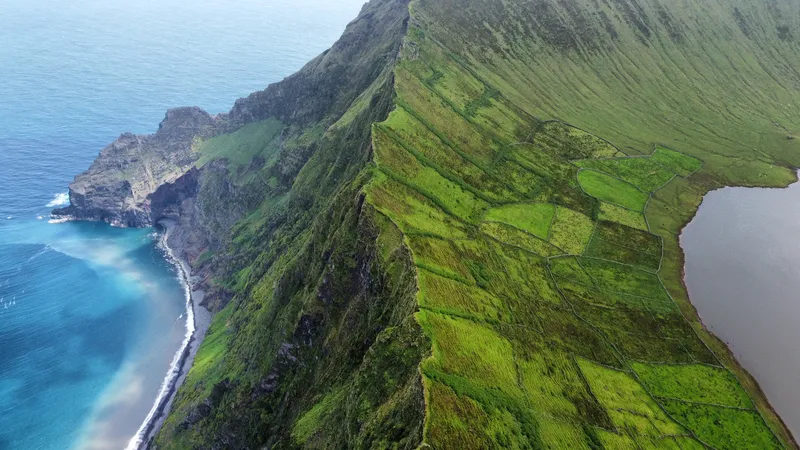
A large part of the territory is set aside as communal grazing land for extensive livestock farming, shrinking the already scarce land suitable for new housing.
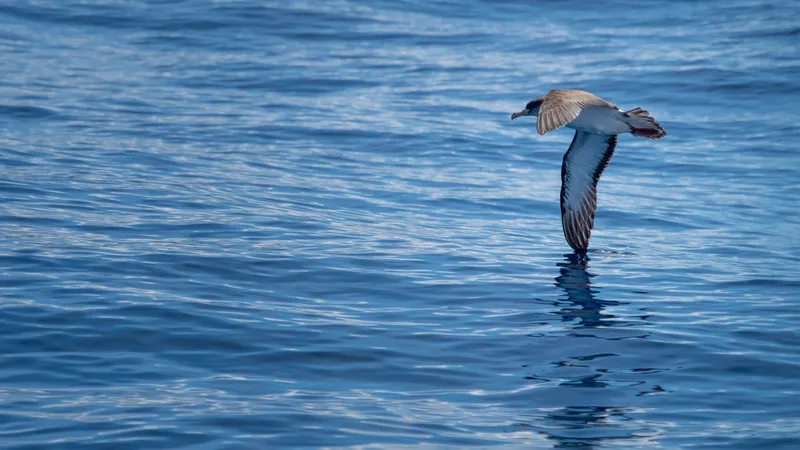
Sporadic interest from international birdwatchers in Corvo's seabirds is generating seasonal demand for accommodation that the island can barely absorb.
The property market on the smallest of the Azores islands barely sees a handful of deals a year, in a single urban centre of just a few hundred residents.
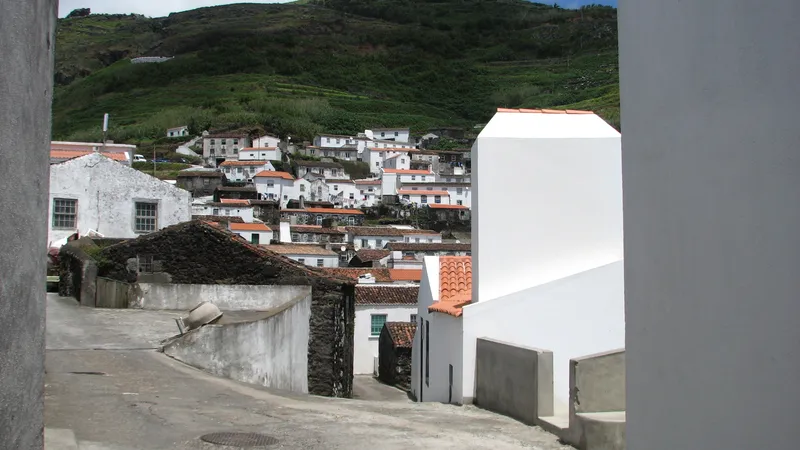
Owners of the traditional basalt-stone, gable-roofed houses face slow and costly work due to the island's isolation.
With just a handful of residents under thirty, the island is seeing its young people continue living with family amid a shortage of available housing.
Heirs living in the United States and Canada keep family homes shut, opening them only for a few weeks each summer.
The great volcanic caldera that crowns Corvo remains under strict protection, banning any building within it.