Communal grazing land and extensive livestock farming limit residential land in Corvo
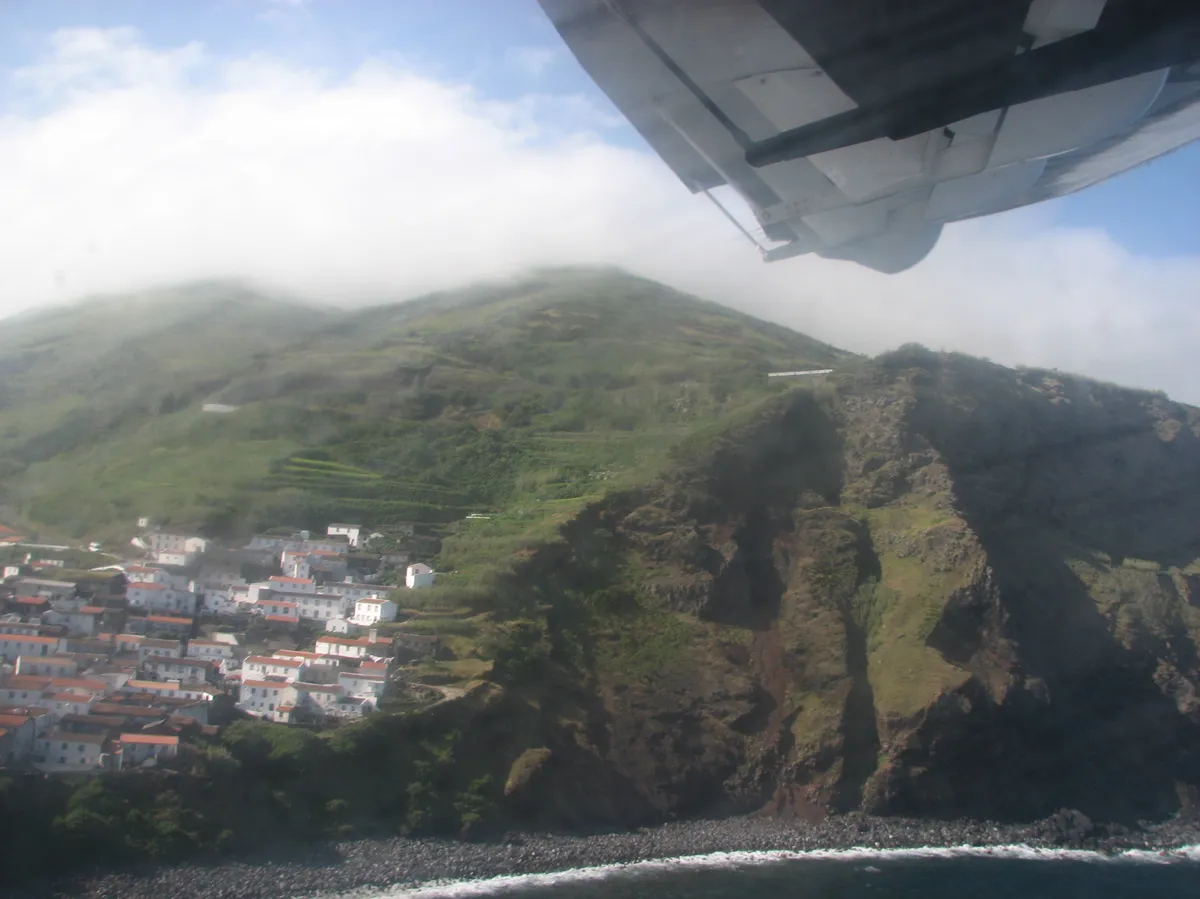
A livestock economy that takes up almost the whole island
Practically all the territory outside Vila do Corvo is devoted to communal grazing.
Communal land, hard to repurpose
Reclassifying a communal plot requires a collective agreement that is rarely even put forward.
An underlying tension between farmland and urban land
Urban growth has historically stayed concentrated in the original settlement.
A balance few want to upset
There is little social appetite for releasing communal land for building.
Life on the smallest island in the Azores
Corvo, with just a few hundred inhabitants, has maintained a way of life tied to communal livestock farming for generations. Residents consulted point out that the shared grazing system is not just a way of using the land, but also a source of social cohesion and local identity. Any proposal to change this land use tends to meet resistance, even among those who could stand to benefit financially from a reclassification.
Comparison with other islands in the western group
Unlike its more populated neighbour Flores, Corvo has no room to expand its settlement without coming into direct conflict with traditional livestock uses. While Flores has managed to free up some plots for housing in recent decades, in Corvo the process moves much more slowly, constrained by the island's small size and its heavy economic reliance on communal grazing.
The challenge of keeping people in Vila do Corvo
Municipal officials acknowledge that the lack of available land makes it difficult to attract new families or to keep young people who want to leave home without leaving the island. Options for the temporary transfer of small communal plots for self-build housing have been explored, though no agreement has yet been finalised. The regional government is following the situation closely, given the risk of depopulation affecting the archipelago's smallest islands.
A debate that remains open
Despite the difficulties, neither the farmers nor most residents are willing to give up communal land without clear guarantees about its future use. The current balance, though it limits urban growth, is seen as a guarantee of sustainability for an economy built on scarce resources. For now, the debate over how to reconcile livestock farming and housing remains without a consensus solution in Corvo.
More in News
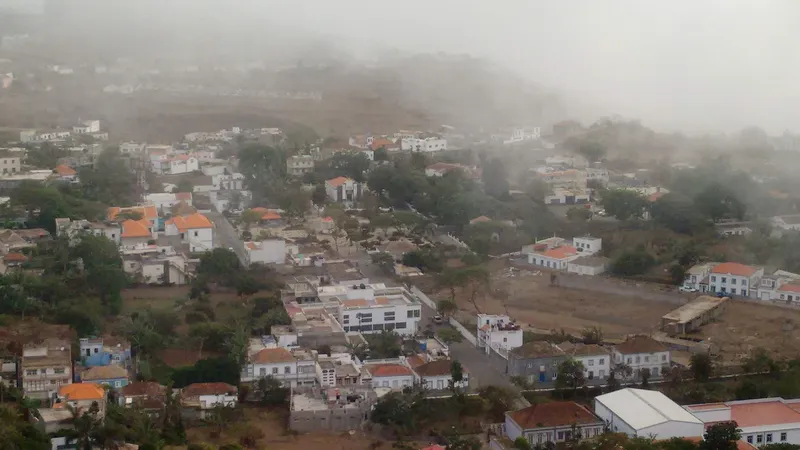
Brava, Cape Verde's smallest island, watches its houses empty out in step with emigration
With just a few thousand inhabitants and a population that keeps shrinking, Nova Sintra has a property market that is nearly frozen, kept alive solely by diasp…
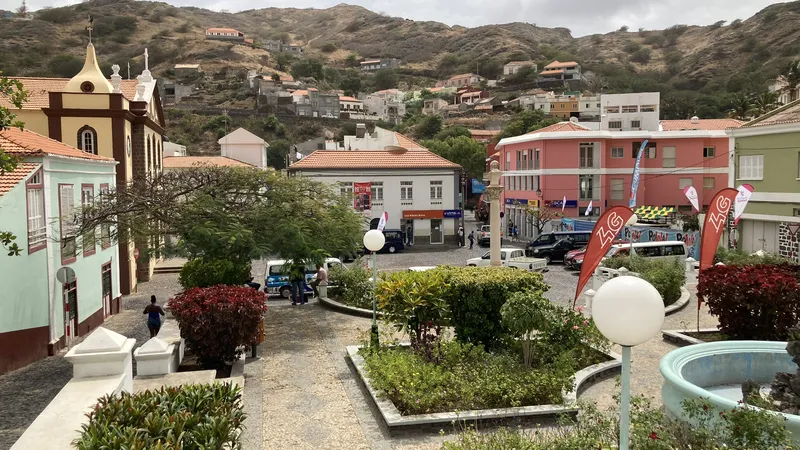
Ribeira Brava holds steady prices as emigration sets the market's pace
In São Nicolau, remittances from the diaspora sustain the building of family homes, but a lack of local buyers leaves a housing stock with many houses shut for…
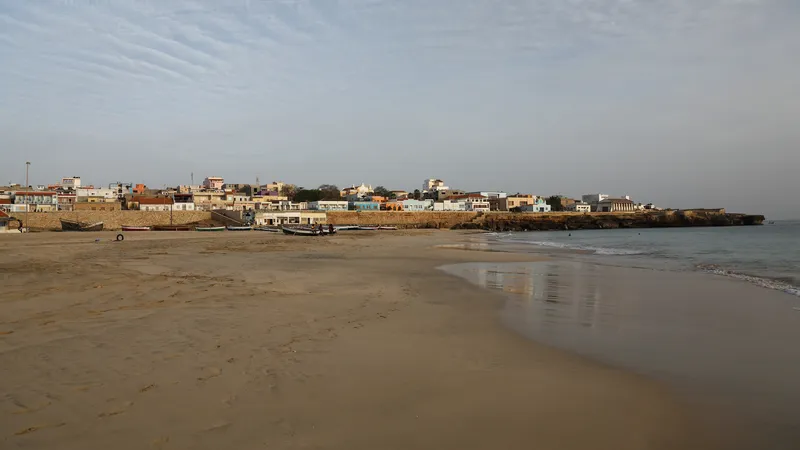
Maio, the island where buying a home is still nearly impossible for lack of supply
With the least developed property market in all of Cape Verde, Vila do Maio records barely any sales, while emigration leaves homes standing empty, neither sol…
Volcanic risk is already shaping house prices in São Filipe
At the foot of the Pico do Fogo volcano, memories of the last eruption continue to weigh on the value of homes near the caldera, while São Filipe's town centre…