Vila do Corvo Records Fewer Than Ten Home Sales in an Entire Year
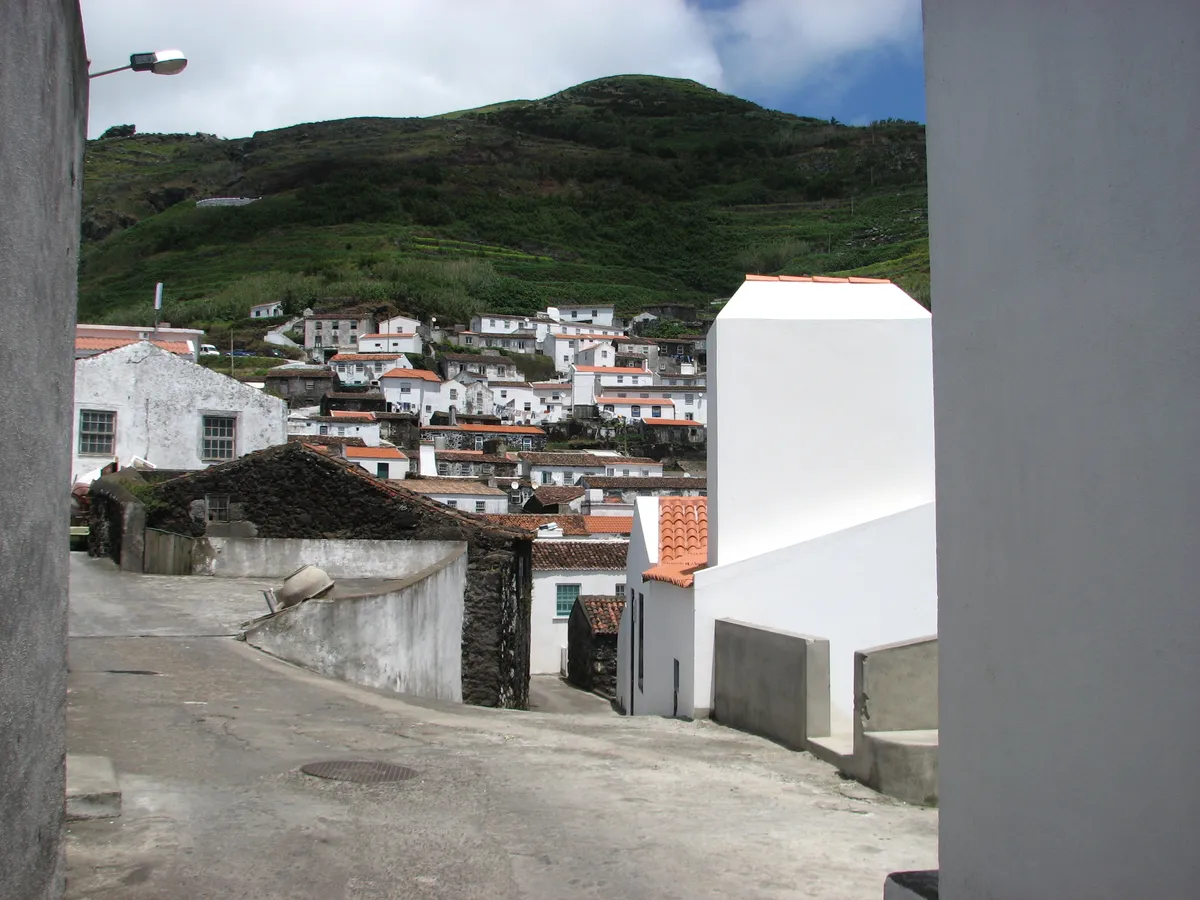
A Market Small Enough to Fit in a Notebook
The number of sales completed over an entire year can be counted on one hand.
Why There Is Barely Any Supply
Selling a house means parting with a property that has carried the family name for decades.
Prices That Do Not Follow the Usual Logic
Reference prices are unreliable given the scarcity of comparable sales.
A Pattern Repeated Across the Whole Island
Spikes in activity only come when a homeowner dies and the heirs decide to sell.
A Single Urban Centre Holding the Whole Island
Vila do Corvo is the only inhabited settlement on the smallest island in the Azores, which turns any transaction into an event known to almost every resident. With no other villages, the local market has no reliable outside benchmarks. Every sale requires its own individual assessment, outside the usual price tables found on other islands.
Inheritances That Take Years to Settle
Most of the homes that come onto the market do so after the owner's death, when the heirs decide to end the co-ownership. The process can drag on for years, especially when an heir lives outside Portugal. Until it is resolved, the home stays shut, adding to an already scarce stock.
Prices That Depend More on Willingness Than on the Market
With barely any comparable sales, the final price reflects the specific seller's need more than any real supply-and-demand logic. An heir with an urgent need for cash may accept a figure well below what might be expected. Notaries say any average reference price for the island is, in their view, not very reliable.
A Pattern Repeated Across the Island
Outside the urban centre, the rest of the island sees almost no real-estate activity at all, limited to agricultural buildings tied to livestock farming. This stagnation reinforces Corvo's uniqueness within the Azores as a whole. The Regional Government acknowledges the difficulty of applying the same policies here as elsewhere in the archipelago.
More in News
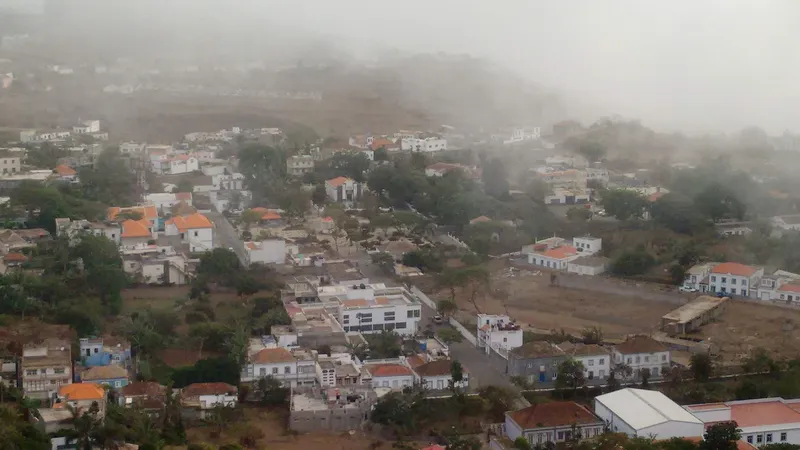
Brava, Cape Verde's smallest island, watches its houses empty out in step with emigration
With just a few thousand inhabitants and a population that keeps shrinking, Nova Sintra has a property market that is nearly frozen, kept alive solely by diasp…
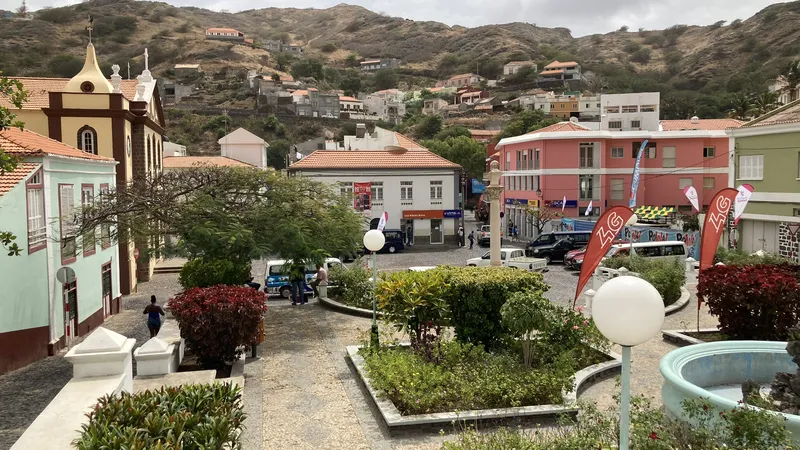
Ribeira Brava holds steady prices as emigration sets the market's pace
In São Nicolau, remittances from the diaspora sustain the building of family homes, but a lack of local buyers leaves a housing stock with many houses shut for…
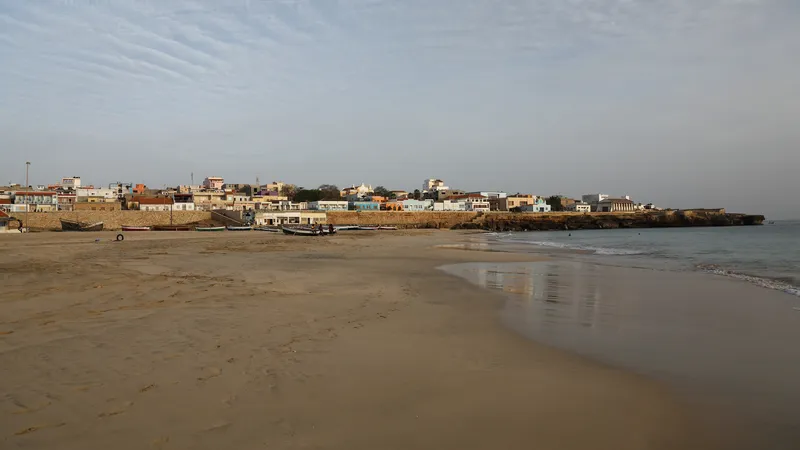
Maio, the island where buying a home is still nearly impossible for lack of supply
With the least developed property market in all of Cape Verde, Vila do Maio records barely any sales, while emigration leaves homes standing empty, neither sol…
Volcanic risk is already shaping house prices in São Filipe
At the foot of the Pico do Fogo volcano, memories of the last eruption continue to weigh on the value of homes near the caldera, while São Filipe's town centre…