Restoration of old stone houses moves slowly in Corvo
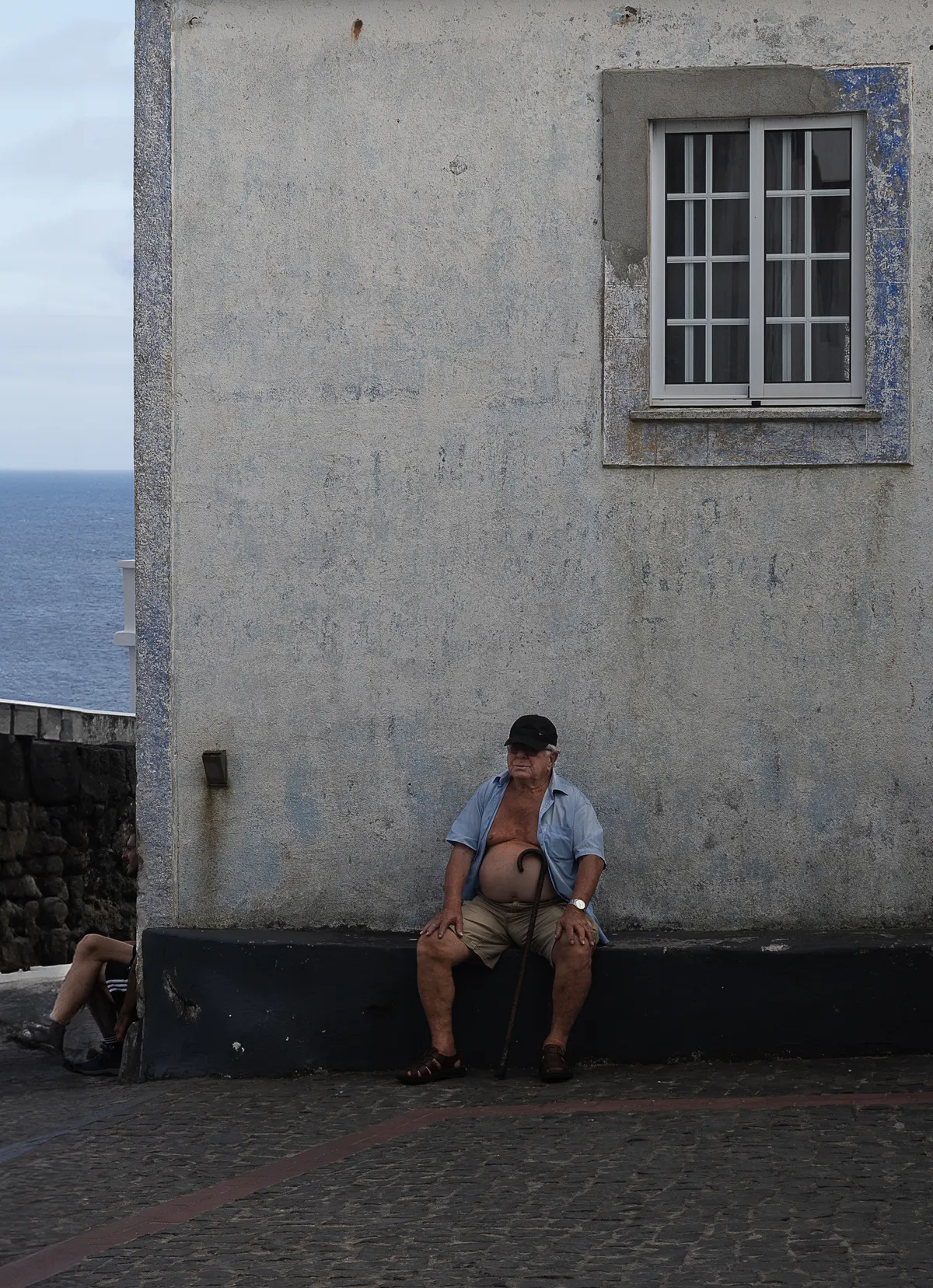
A heritage built to last
The old quarter still has low basalt-stone houses more than a century old.
Work that drags on because of isolation
A full restoration can take twice as long as it would on a larger island.
The cost of keeping the stone and the traditional roof
Restoring a house while respecting its original facade significantly raises the cost of the project.
Limited incentives, plenty of local goodwill
Specific grants are scarce compared with other islands in the archipelago.
The Azores' smallest, most isolated island
Corvo, with barely four hundred inhabitants, is the smallest of the nine islands in the Azorean archipelago and has the most limited sea and air connections in the entire region. This extreme isolation directly translates into the costs and timelines of any building or restoration project. Residents themselves acknowledge that living in Corvo calls for a different kind of planning than in the rest of the Azores, including when it comes to housing. This geographic singularity is the obligatory starting point for understanding the slow pace of restoration work.
A heritage with landscape recognition
The historic centre of Vila do Corvo, with its low basalt-stone houses clustered around narrow streets, forms part of a group recognised for its landscape value within the island's Biosphere Reserve. This recognition has generated some outside interest in acquiring and restoring these traditional homes, although the volume of transactions remains minimal. The few buyers from off the island tend to be descendants of Corvo emigrants living in the United States or Canada. For them, restoration carries a sentimental dimension that goes beyond property investment.
The challenge of bringing in craftsmen and materials
The lack of stonemasons and carpenters specialising in this kind of work on the island means tradespeople have to be brought over from Faial or Terceira, with the transport and accommodation costs that entails significantly inflating any building budget. Materials that cannot be sourced locally have to arrive by boat, subject to a very limited service frequency that can delay delivery of even a simple order by weeks. This combination of factors explains why a straightforward restoration in Corvo can take twice as long as an equivalent project in Faial or Pico. Local contractors themselves admit that working on the island demands a level of patience uncommon in the trade.
Residents calling for more institutional support
Residents' associations in Corvo have repeatedly called for dedicated support schemes for restoring the built heritage, similar to those that exist on other, larger Azorean islands. They argue that being the smallest, most isolated island in the archipelago should translate into differentiated treatment, not more restricted access to the available funding. So far, regional calls for applications have not included provisions tailored to Corvo's particular circumstances. Residents insist that without this extra support, much of the historic housing stock risks continuing to deteriorate.
More in News
Brava, Cape Verde's smallest island, watches its houses empty out in step with emigration
With just a few thousand inhabitants and a population that keeps shrinking, Nova Sintra has a property market that is nearly frozen, kept alive solely by diasp…
Ribeira Brava holds steady prices as emigration sets the market's pace
In São Nicolau, remittances from the diaspora sustain the building of family homes, but a lack of local buyers leaves a housing stock with many houses shut for…
Maio, the island where buying a home is still nearly impossible for lack of supply
With the least developed property market in all of Cape Verde, Vila do Maio records barely any sales, while emigration leaves homes standing empty, neither sol…
Volcanic risk is already shaping house prices in São Filipe
At the foot of the Pico do Fogo volcano, memories of the last eruption continue to weigh on the value of homes near the caldera, while São Filipe's town centre…