Corvo's few young people are putting off leaving home for lack of housing of their own
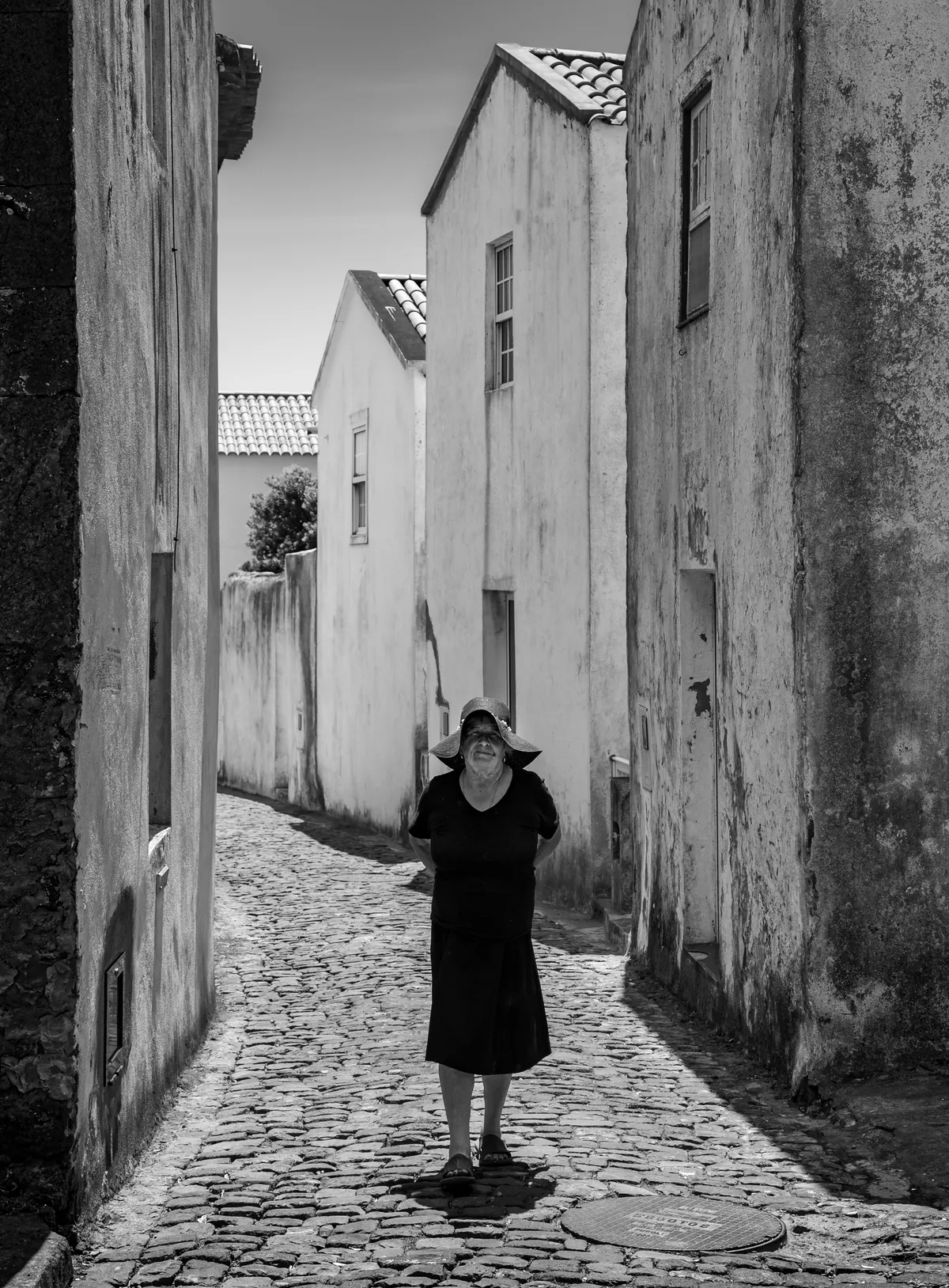
A generation that can't find a door of its own
Most people under thirty are still living in the family home.
No rental stock to speak of
There is no rental housing stock able to absorb demand for a first home.
The dilemma: stay or leave
The lack of housing of their own is pushing many to move to Flores or Ponta Delgada.
Local initiatives, still modest for now
The need for youth housing programmes has been raised, though nothing has yet taken shape.
The Azores' smallest island, an extreme case
Corvo is the smallest inhabited island in the Azorean archipelago, with a population that barely reaches a few hundred residents concentrated in the island's only urban centre, Vila do Corvo. This small scale means any decision on housing has a proportionally greater impact than on larger islands. Building a single new home can account for a significant share of the housing stock available to young people. This particularity makes Corvo something of a case study within the archipelago's housing policies.
Limited land and paperwork that drags on
A large part of Corvo's territory is subject to environmental or landscape protection, which markedly reduces the land available for new building. The few young people who do try to build a home of their own face administrative procedures that, they say, drag on for lack of municipal technical resources dedicated to processing files. Some families have given up on building altogether and opted to emigrate to another island instead. The combination of scarce land and slow bureaucracy compounds an already structural problem.
Flores and Ponta Delgada, the main departure points
When a young person from Corvo decides to leave home, the most common options are moving to the neighbouring island of Flores, which has somewhat more housing on offer, or heading straight to Ponta Delgada, the regional capital on São Miguel. This internal migration worries local authorities, who are watching the working-age, family-forming population gradually leave the island. Every young person who leaves further shrinks Corvo's already thin population base. The phenomenon feeds a cycle in which the lack of housing accelerates depopulation, and depopulation in turn reduces the incentive to build more housing.
Youth housing programmes, still on paper
The Azores regional government has repeatedly mentioned the possibility of extending to Corvo the kind of youth housing programmes that already exist on other islands in the archipelago. So far, however, none of these initiatives has translated into actual units being built on the island. Municipal representatives insist that any regional programme must take into account the particularities of such a small island, where the cost of transporting materials significantly drives up the price of any construction work. While a concrete response is awaited, young people's ability to leave home in Corvo continues, in practice, to depend on leaving the island altogether.
More in News
Brava, Cape Verde's smallest island, watches its houses empty out in step with emigration
With just a few thousand inhabitants and a population that keeps shrinking, Nova Sintra has a property market that is nearly frozen, kept alive solely by diasp…
Ribeira Brava holds steady prices as emigration sets the market's pace
In São Nicolau, remittances from the diaspora sustain the building of family homes, but a lack of local buyers leaves a housing stock with many houses shut for…
Maio, the island where buying a home is still nearly impossible for lack of supply
With the least developed property market in all of Cape Verde, Vila do Maio records barely any sales, while emigration leaves homes standing empty, neither sol…
Volcanic risk is already shaping house prices in São Filipe
At the foot of the Pico do Fogo volcano, memories of the last eruption continue to weigh on the value of homes near the caldera, while São Filipe's town centre…