The Caldeirão crater locks down its land: no new building allowed inside it
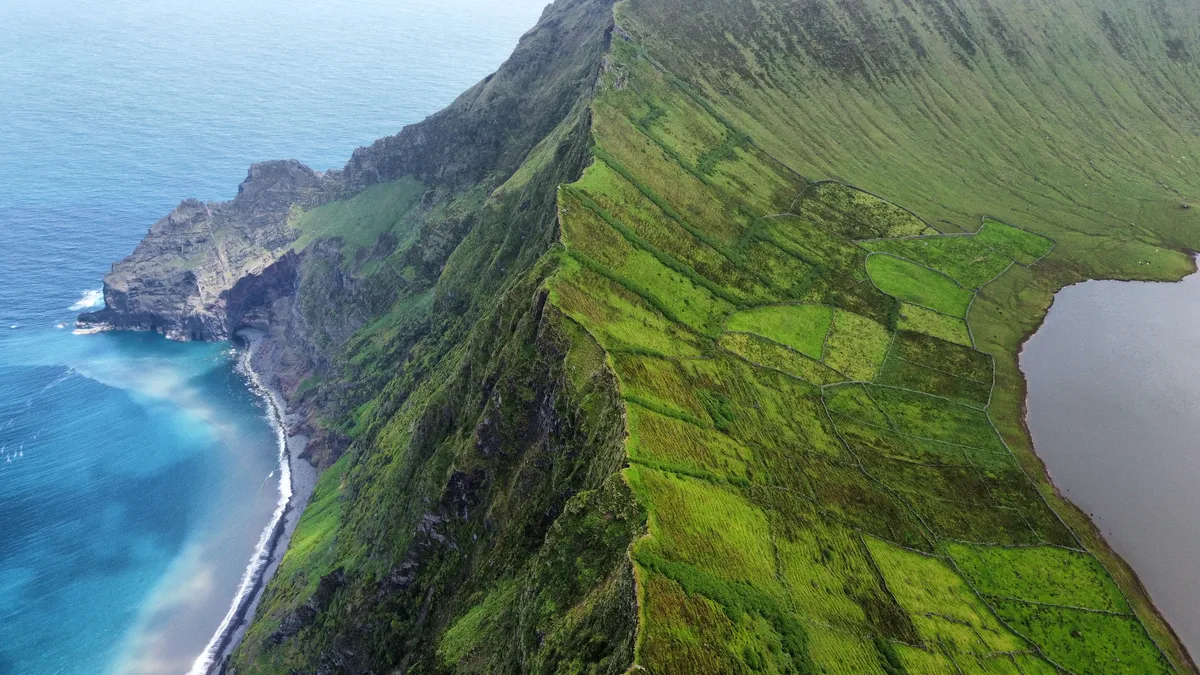
A crater that takes up a large part of the island
The Caldeirão, with its inner lagoons, shapes town planning across the whole island.
Developable land, an almost exhausted resource
The land available is reduced practically to the immediate surroundings of Vila do Corvo.
Between conservation and demographic pressure
Proposals to relax building limits have gone nowhere.
A limit that also protects the landscape that draws visitors
Keeping the crater free of buildings preserves the island's main tourist draw.
A geological symbol unique in Europe
The Caldeirão, nearly two kilometres across with its inner lagoons, is considered one of the best-preserved volcanic complexes in all of Portuguese territory and an essential reference point for geologists studying Atlantic volcanism. Its uniqueness has been decisive in justifying the level of protection that today rules out any construction within it. Researchers and local guides agree that it is precisely the total absence of buildings that preserves the crater's scientific and scenic value. This exceptional status sets Corvo apart from similar calderas on other islands where some human occupation has been allowed.
Vila do Corvo, the only outlet for development
With the island's interior effectively off-limits to construction, all residential and infrastructure growth is forced to concentrate in the immediate surroundings of Vila do Corvo, the only inhabited settlement. This concentration has put growing pressure on urban land already limited by the island's terrain. The few available plots within the settlement fetch prices markedly higher than similar plots on other, larger Azorean islands. The lack of any alternative for expansion makes every urban plot a particularly sought-after asset.
The balance between depopulation and protection
With a population of around four hundred and trending downward, some local voices question whether the current level of protection still makes sense against the risk of the island being depopulated altogether. Against this view, environmentalists and technical experts insist that relaxing protection of the Caldeirão would not solve the underlying demographic problem, which is more closely tied to a lack of economic opportunity. The debate thus pits two legitimate concerns against each other, preserving the landscape and the community's survival, without a consensus solution having been found so far. Proposals to relax the rules put forward in recent years have failed to win the necessary institutional backing.
Nature tourism as compensation
The ban on building inside the crater has kept intact one of Corvo's main tourist attractions, which draws visitors every year specifically interested in hiking and birdwatching around the lagoons. This nature tourism, modest in volume though it is, generates supplementary income for some families through rural accommodation and local guiding. Island authorities argue that this model of strict conservation proves, in the long run, more profitable for the island than any eventual opening to construction. The Caldeirão thus stands as an economic asset precisely because it remains free of buildings.
More in News
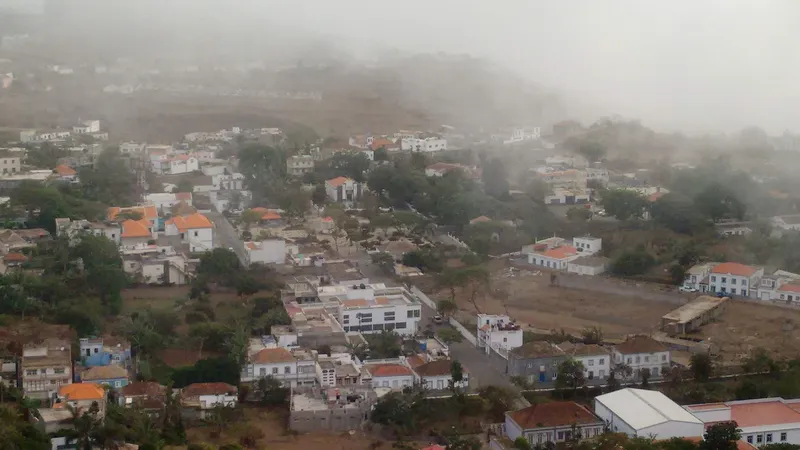
Brava, Cape Verde's smallest island, watches its houses empty out in step with emigration
With just a few thousand inhabitants and a population that keeps shrinking, Nova Sintra has a property market that is nearly frozen, kept alive solely by diasp…
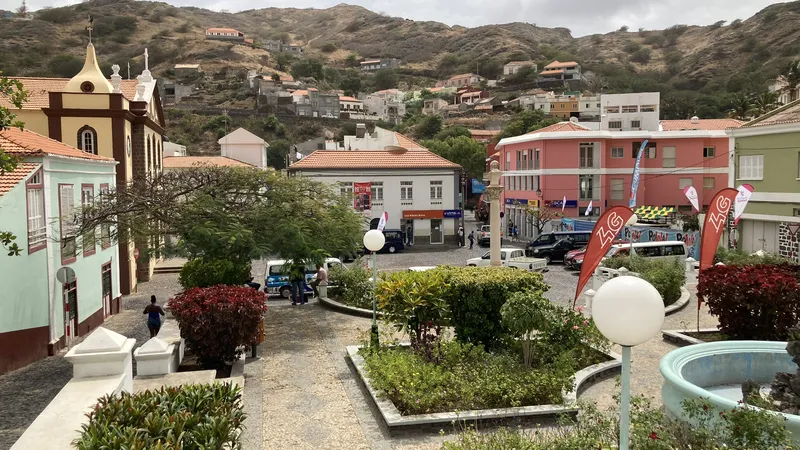
Ribeira Brava holds steady prices as emigration sets the market's pace
In São Nicolau, remittances from the diaspora sustain the building of family homes, but a lack of local buyers leaves a housing stock with many houses shut for…
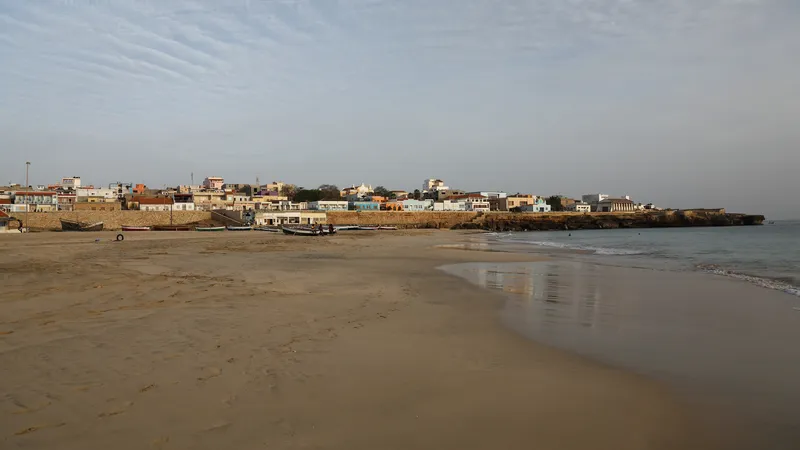
Maio, the island where buying a home is still nearly impossible for lack of supply
With the least developed property market in all of Cape Verde, Vila do Maio records barely any sales, while emigration leaves homes standing empty, neither sol…
Volcanic risk is already shaping house prices in São Filipe
At the foot of the Pico do Fogo volcano, memories of the last eruption continue to weigh on the value of homes near the caldera, while São Filipe's town centre…