The Azores close their EU recovery funds with 622 buildings built or refurbished for housing
The archipelago declares its Recovery and Resilience Plan complete with 918 million euros invested, 221 more than planned; the families, housing and social inclusion chapter absorbed 95.4 million.
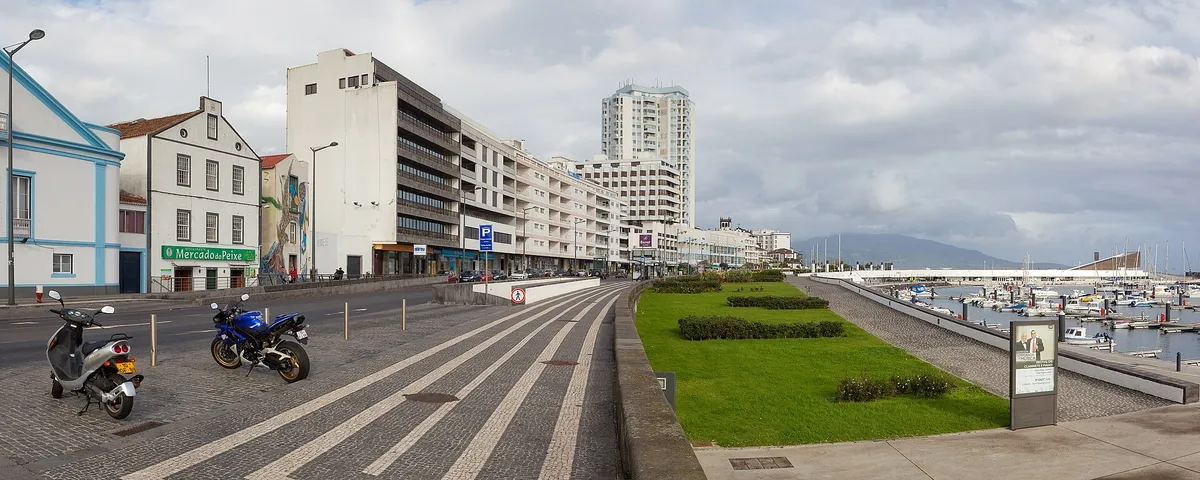
The largest investment programme the Azores have seen in decades closes with a tangible legacy for the residential market: 622 buildings built or refurbished for housing. It is one of the figures in the final report on the Recovery and Resilience Plan (PRR) that the regional government presented on Monday, the last day of the material execution period, as reported by the Lusa news agency through the regional secretary for Finance, Duarte Freitas.
According to that report, the archipelago met all 39 committed milestones and targets and mobilised 918 million euros, 221 more than programmed at the start of the plan. Of that, 725 million corresponded to the region's direct management; the rest came through national calls in which Azorean companies and entities took part, capturing 193 million against the 117 foreseen.
Housing at the heart of the social chapter
The families, housing and social inclusion chapter totalled 95.4 million euros. Besides the 622 building interventions — the Açoriano Oriental had detailed days earlier 142 new constructions and 480 refurbishments — the plan financed serviced plots and rent-to-buy housing schemes designed for young people and families who can afford a monthly rent but not the deposit for a mortgage. On the social side, the Novos Idosos programme reached 540 elderly users.
What that figure would mean across Macaronesia
To gauge the scale it helps to set it against population: the Azores have around 240,000 inhabitants, so those 622 homes amount, in round numbers, to about 2.6 per thousand residents. A proportional effort would be roughly 650 homes in Madeira, 1,350 in Cape Verde and close to 5,700 in the Canary Islands — a reference that helps frame the debate in the Canarian archipelago, where the public stock built in recent years falls far short of that ratio. The comparison is indicative only: neither construction costs nor the starting public stock are the same across the four archipelagos, but it gives an idea of the relative size of what the Portuguese islands have delivered.
For a market as small as the Azorean one, the injection is not minor: the new public supply arrives after years of rising prices in the islands, with Ponta Delgada hitting record highs, and with private development advancing slowly. The regional executive presents the execution as proof that European funds turned into concrete works; the archipelago's housing deficit, however, remains far from closed, and that will stay the yardstick for the years ahead.
Mobility and energy, the bulk of the plan
Outside housing, the largest investment block was mobility, energy and territory, with 233 million, followed by companies and competitiveness with 150.3. Agriculture and the sea economy (90.6 million), health (65.8), education (59.3) and public administration (30.6) completed the distribution. Among the measures with the most immediate effect, Freitas highlighted self-consumption: the Solenerge programme installed photovoltaics in 4,583 households and 716 companies, direct relief on families' electricity bills.
With the material deadline passed, the less glamorous phase now begins: justifying every euro to Brussels and tracking the performance of what was built. In housing, the real test will be whether those 622 buildings and the rent-to-buy plots make a dent in prices that, so far, have only known one direction.
More in News
Thousands of social housing tenants in the Canary Islands, caught between a decree in force and a government that will not apply it
Nearly 10,000 families meet the requirements of Decree 1/2023 to buy the protected home they rent, but the administration is not publishing the sale offers tha…
Housing prices open a widening gap between the north and south of La Palma
While Los Llanos de Aridane and Fuencaliente see prices rise on the back of tourist pressure and the Tajogaite reconstruction, northern municipalities such as …
Record prices and shuttered houses: two faces of the same housing crisis across the Atlantic islands
Thirty stories from the Canaries, Madeira, the Azores and Cape Verde this week. Read together, they tell a single story with two opposite endings.
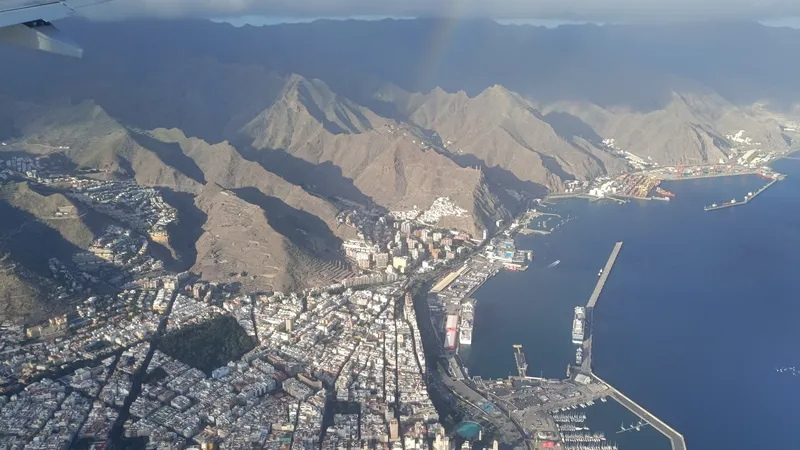
House prices in the Santa Cruz–La Laguna metropolitan area hit record highs in 2026
Buying a flat in the Tenerife capital or in La Laguna has never been so expensive: property portals put the price per square metre at record levels, while the …