Record prices and shuttered houses: two faces of the same housing crisis across the Atlantic islands
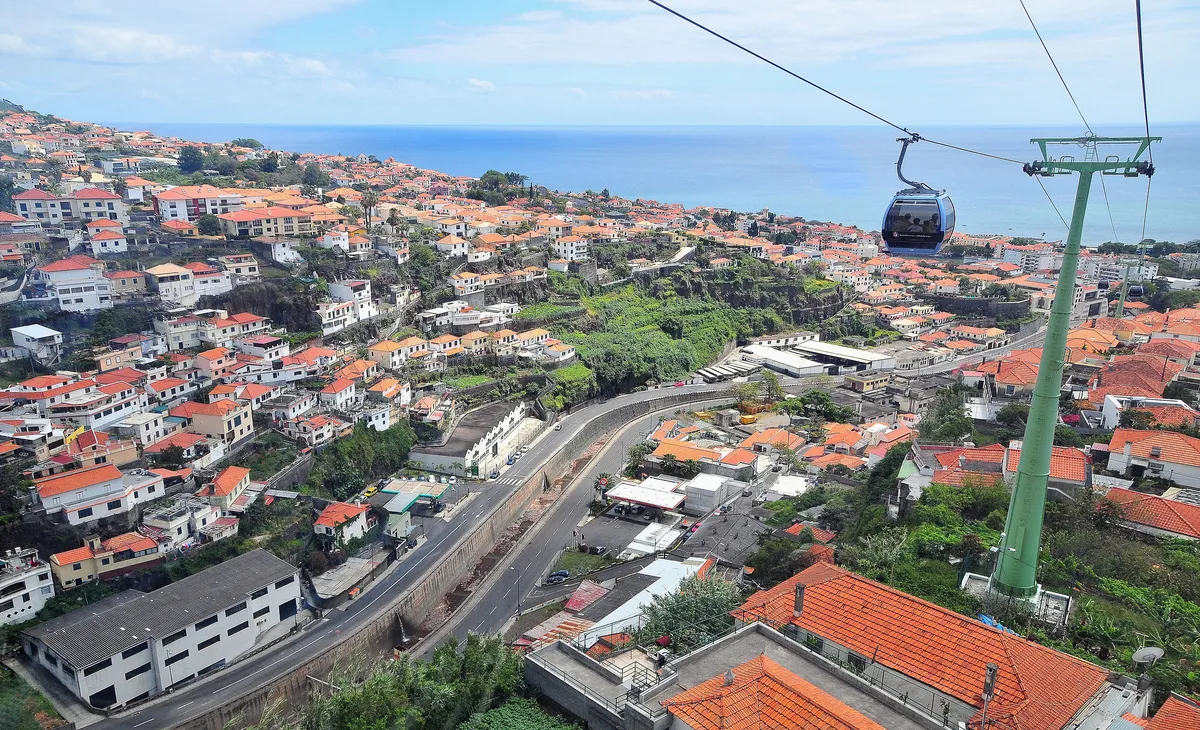
Thirty islands, four archipelagos and one week of news. Taken separately, they look like different worlds: record prices in a metropolitan area, and the silence of a market where barely a house changes hands in a year. Taken together, they describe the same problem — a housing stock that cannot grow, facing demand that does not depend on the island — with two opposite symptoms.
Where outside demand arrives
On the expensive half of the map, the records keep coming. The Santa Cruz–La Laguna metropolitan area has hit prices never seen before, with households stretching further than experts consider reasonable. Funchal now tops 3,000 euros per square metre in the centre. Ponta Delgada has strung together several quarters of increases. In Lanzarote the share of purchases by foreign buyers is among the highest in Spain, and on Sal and Boa Vista beachfront land is priced in euros.
Where it does not
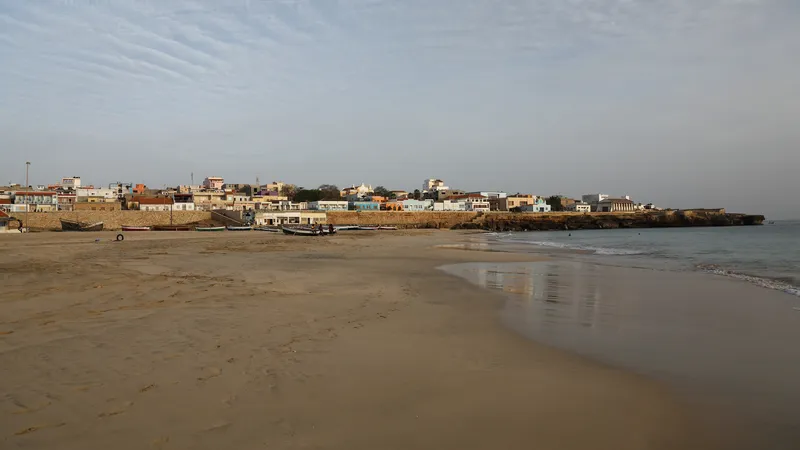
At the other extreme, the problem is not price but the absence of a market. On Corvo, home to some 400 people, selling a house is an event and no listings are active online. On Brava and Maio, transactions are negligible. On São Nicolau hundreds of homes stand shuttered most of the year, built with money sent home by the diaspora, neither sold nor rented. Empty houses are plentiful, and housing is scarce.
Land that cannot grow
Between the two extremes lies a shared constraint. Caleta de Sebo can barely expand inside the Chinijo Archipelago Natural Park. Pico's Unesco-protected vineyard landscape holds back construction. The historic centre of Angra do Heroísmo pushes demand to the outskirts. On El Hierro, developable land is scarce and new building almost token. On Fogo and La Palma, geology adds a mortgage of its own.
Who pays, and what is being tried
The same profiles keep appearing: nurses and teachers posted to San Sebastián de La Gomera who cannot find a rental, or young people in Praia da Vitória and Valverde giving up on buying. The responses are converging too. Las Palmas de Gran Canaria is processing its designation as a stressed residential market area, Madeira is looking to stem the drift of homes into tourist lets, and Fuerteventura has regulation on the way. Meanwhile a quieter idea is gaining ground: refurbish rather than build, as with the fishermen's houses of Caleta de Sebo or the palheiros of Santana. It has its flip side on La Palma, where old hay barns and stables are advertised as homes «with great potential».
The week's lesson is that being an island offers no shelter from the market: it only decides which way the pain runs.
More in News
Housing prices open a widening gap between the north and south of La Palma
While Los Llanos de Aridane and Fuencaliente see prices rise on the back of tourist pressure and the Tajogaite reconstruction, northern municipalities such as …
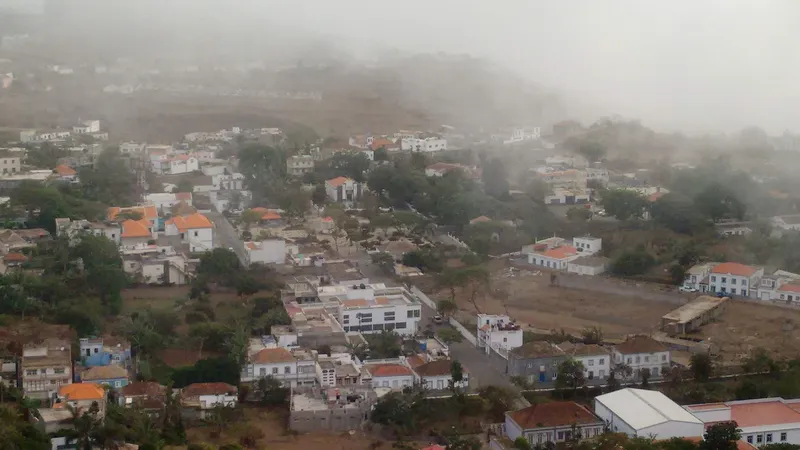
Brava, Cape Verde's smallest island, watches its houses empty out in step with emigration
With just a few thousand inhabitants and a population that keeps shrinking, Nova Sintra has a property market that is nearly frozen, kept alive solely by diasp…
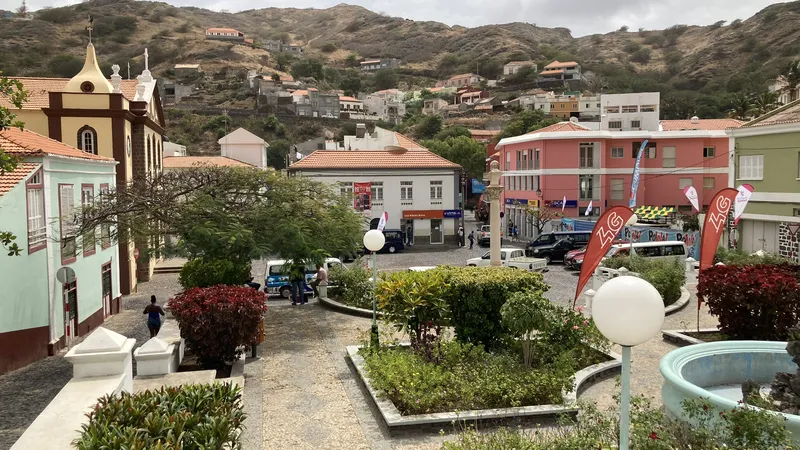
Ribeira Brava holds steady prices as emigration sets the market's pace
In São Nicolau, remittances from the diaspora sustain the building of family homes, but a lack of local buyers leaves a housing stock with many houses shut for…
Maio, the island where buying a home is still nearly impossible for lack of supply
With the least developed property market in all of Cape Verde, Vila do Maio records barely any sales, while emigration leaves homes standing empty, neither sol…