House prices in the Santa Cruz–La Laguna metropolitan area hit record highs in 2026
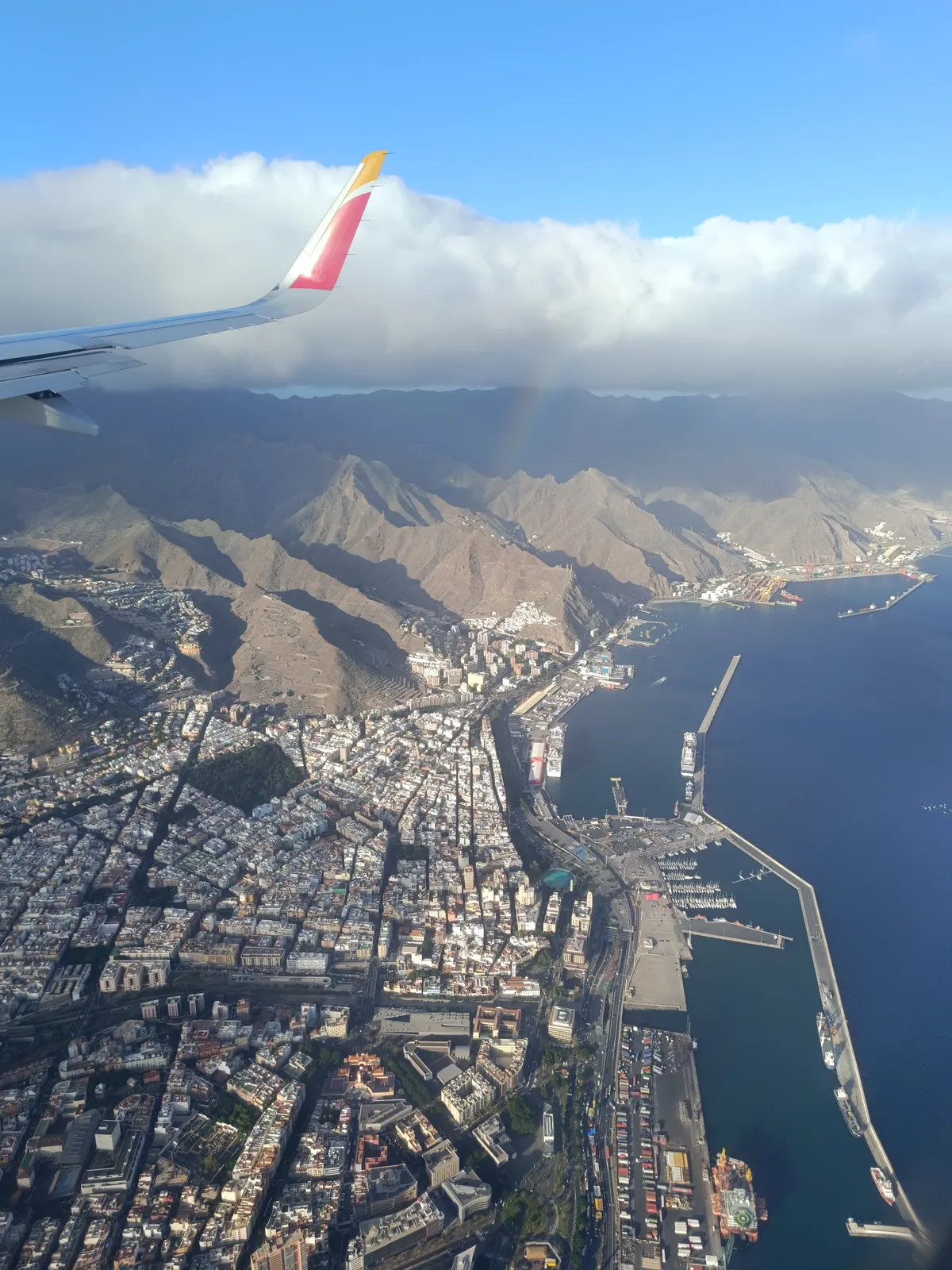
The residential market in Tenerife's metropolitan area has entered 2026 in uncharted territory. Sale prices in Santa Cruz de Tenerife and San Cristóbal de La Laguna have posted several consecutive quarters of gains and hit record highs, according to the leading property portals, against a backdrop of scarce supply and persistent demand.
Figures never seen before in the conurbation
Property portals put the average price of resale housing in Santa Cruz at around 2,350 euros per square metre, with year-on-year rises close to 9%. In La Laguna the figure is even higher: the historic centre and the neighbourhoods served by the tram are already close to 2,550 euros per square metre. Traditionally more affordable areas of the capital, such as La Salud and Ofra, are also seeing double-digit increases, a sign that the pressure has spread across the entire metropolitan housing stock.
The income squeeze intensifies
The problem is not just the price, but the growing gap between housing costs and wages. With average pay in the Canary Islands still among the lowest in the country, according to data from the Istac (the Canary Islands statistics institute), buying a typical 80-square-metre flat in the conurbation now requires the equivalent of more than seven and a half years of gross full-time salary. Industry sources calculate that an average household must now devote more than 40% of its income to mortgage payments, well above the one-third considered financially prudent.
Renting is even more strained
Those who cannot buy find no relief in the rental market either. The average rent in the metropolitan area is above 12.5 euros per square metre a month, meaning an 80-square-metre flat costs around 1,000 euros a month. Listings receive dozens of enquiries within hours, and agencies acknowledge that most homes are let before they are ever advertised. The shortage of supply is pushing many young households towards municipalities in the north and south of the island, with a corresponding rise in daily commuting.
No sign of a slowdown in the short term
The causes of the record prices are structural: new housing supply remains at rock-bottom levels, the metropolitan area's population is growing, and part of the housing stock is being diverted to non-residential uses. Local councils and the Government of the Canary Islands are studying ways to expand affordable supply, including the possible declaration of stressed housing market areas, but industry sources agree that without a substantial increase in construction, prices will remain under pressure over the coming years.
More in News
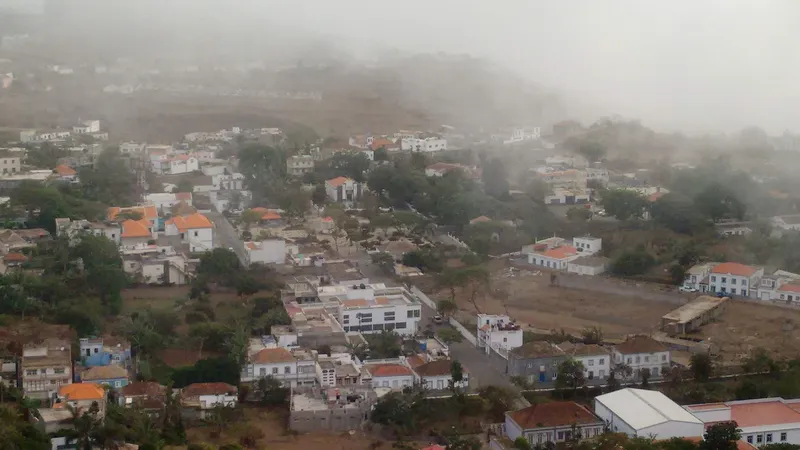
Brava, Cape Verde's smallest island, watches its houses empty out in step with emigration
With just a few thousand inhabitants and a population that keeps shrinking, Nova Sintra has a property market that is nearly frozen, kept alive solely by diasp…
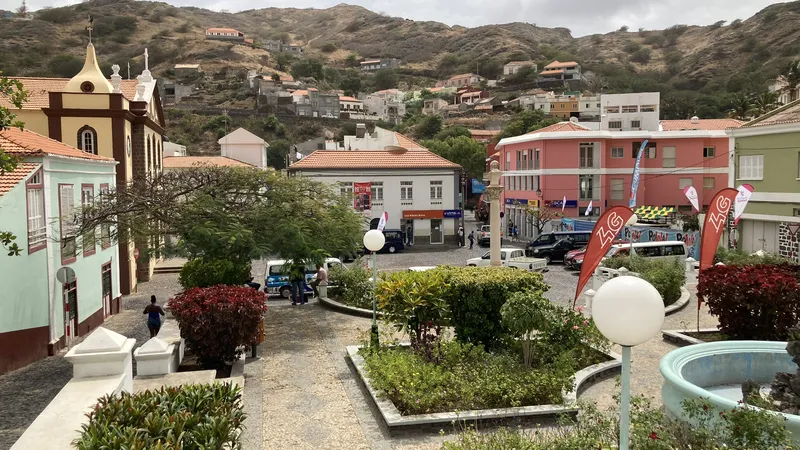
Ribeira Brava holds steady prices as emigration sets the market's pace
In São Nicolau, remittances from the diaspora sustain the building of family homes, but a lack of local buyers leaves a housing stock with many houses shut for…
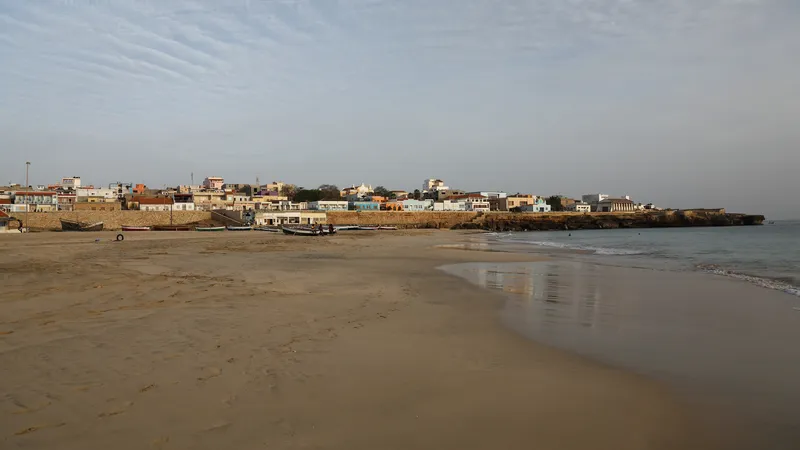
Maio, the island where buying a home is still nearly impossible for lack of supply
With the least developed property market in all of Cape Verde, Vila do Maio records barely any sales, while emigration leaves homes standing empty, neither sol…
Volcanic risk is already shaping house prices in São Filipe
At the foot of the Pico do Fogo volcano, memories of the last eruption continue to weigh on the value of homes near the caldera, while São Filipe's town centre…