Restoration of cantaria stone facades revitalises Angra's old town but pushes up rents
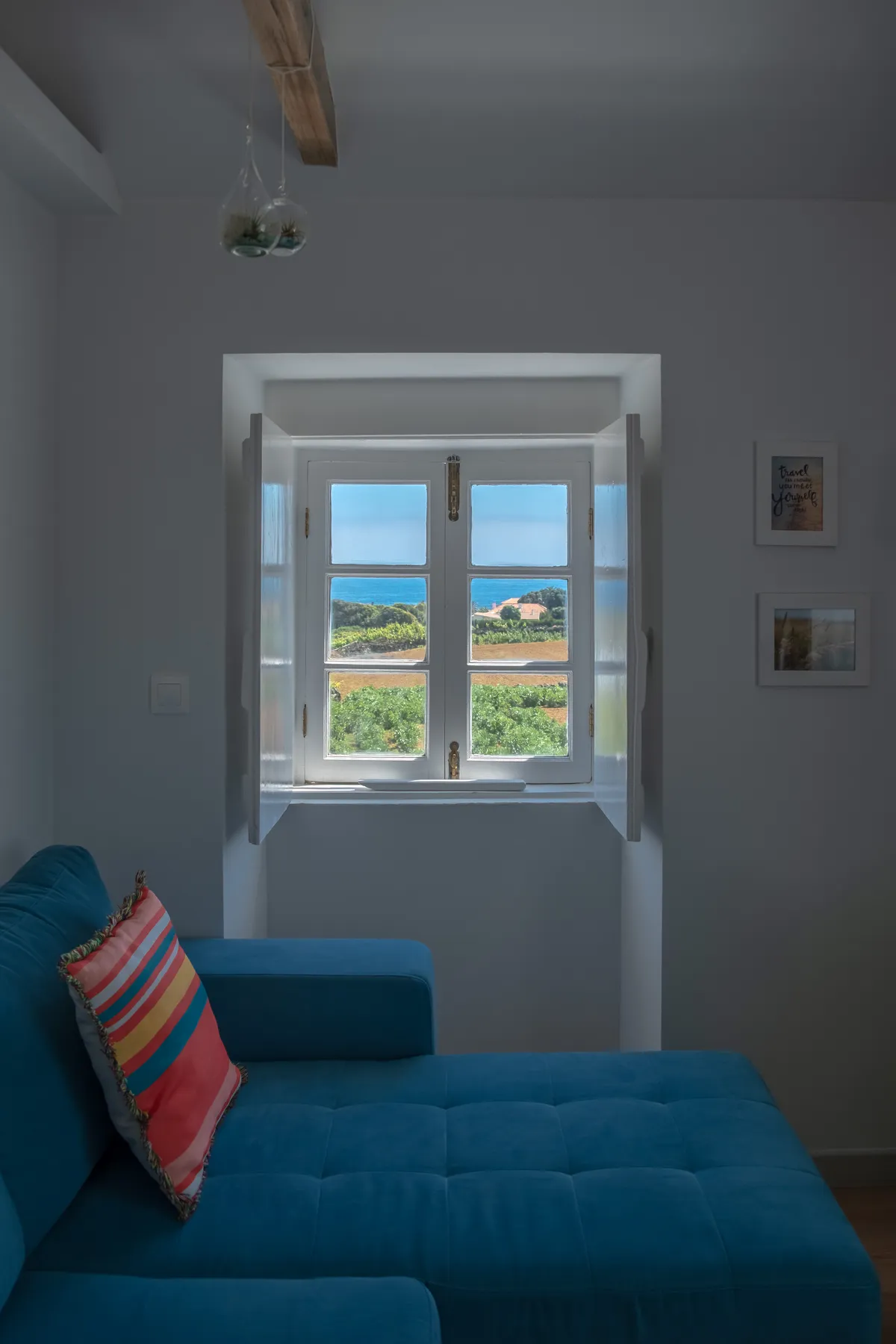
A stone heritage regaining its shine
The historic centre's cantaria stone facades are being restored following Unesco recognition.
Painstaking work and hefty budgets
Restoring a full facade costs several times more than a conventional renovation.
Luxury homes in the heart of the historic centre
Restored properties are becoming high-end products, priced well above the average.
The risk of pricing out long-standing residents
Long-established families are ending up selling to investors specialising in high-end restoration.
A Unesco recognition that sparked the centre's revival
Angra do Heroísmo's designation as a World Heritage Site in 1983 marked the starting point for successive campaigns to restore its cantaria facades, the carved stone characteristic of Terceira's architecture. After decades of decline caused by neglect and the damage from the 1980 earthquake, much of the historic centre is now regaining its original appearance thanks to craftsmen specialising in traditional stonework.
A cost far higher than a conventional renovation
Restoring a cantaria facade requires specialised labour that is scarce even within the Azores, along with stone and techniques that push the budget well above that of a standard renovation. Developers reckon this type of work can cost several times more than a conventional refurbishment, an expense that only pays off if the property is subsequently put to a higher-value use.
Angra compared with other historic centres in the archipelago
The process echoes what is happening in Horta, on Faial, though with the difference that in Angra the cantaria stonework gives the town a highly distinctive architectural identity that draws buyers interested directly in the property's heritage value, not just its location. This uniqueness explains why prices in Angra's historic centre have risen above the regional average in recent years.
Fears the historic centre could lose its residents
Residents' groups warn that families who have lived in the centre for generations are starting to sell up in the face of offers they consider impossible to refuse, making way for investors specialising in upmarket tourist accommodation. The town council is exploring tenant protection measures and renovation grants for long-term residents, though it acknowledges the difficulty of competing with the appeal of the luxury market.
More in News
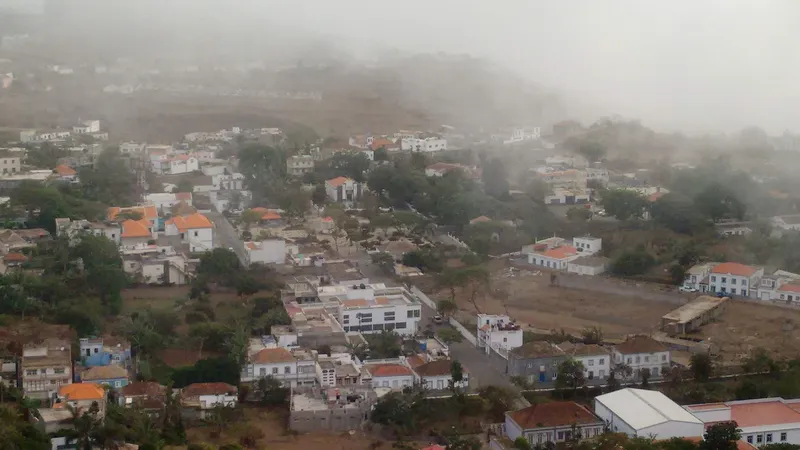
Brava, Cape Verde's smallest island, watches its houses empty out in step with emigration
With just a few thousand inhabitants and a population that keeps shrinking, Nova Sintra has a property market that is nearly frozen, kept alive solely by diasp…
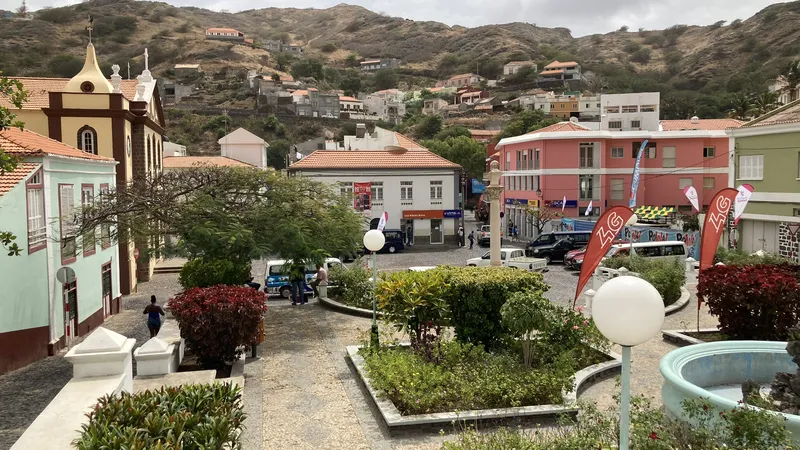
Ribeira Brava holds steady prices as emigration sets the market's pace
In São Nicolau, remittances from the diaspora sustain the building of family homes, but a lack of local buyers leaves a housing stock with many houses shut for…
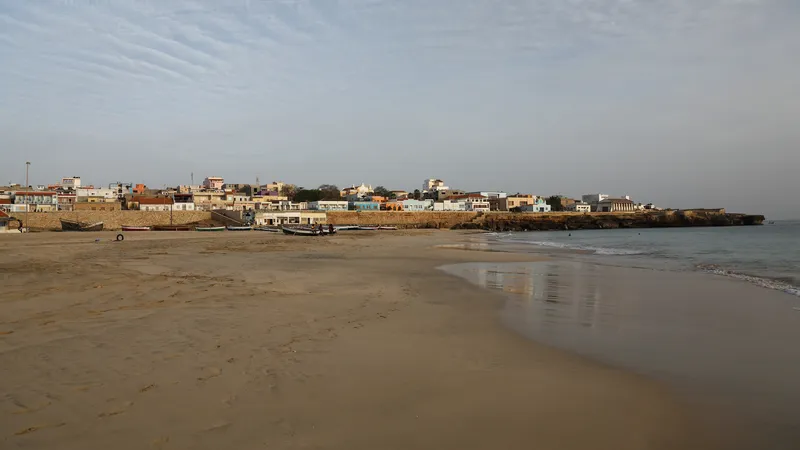
Maio, the island where buying a home is still nearly impossible for lack of supply
With the least developed property market in all of Cape Verde, Vila do Maio records barely any sales, while emigration leaves homes standing empty, neither sol…
Volcanic risk is already shaping house prices in São Filipe
At the foot of the Pico do Fogo volcano, memories of the last eruption continue to weigh on the value of homes near the caldera, while São Filipe's town centre…