Protected landscape status for Serra do Cume and Biscoitos limits new housing construction in Terceira
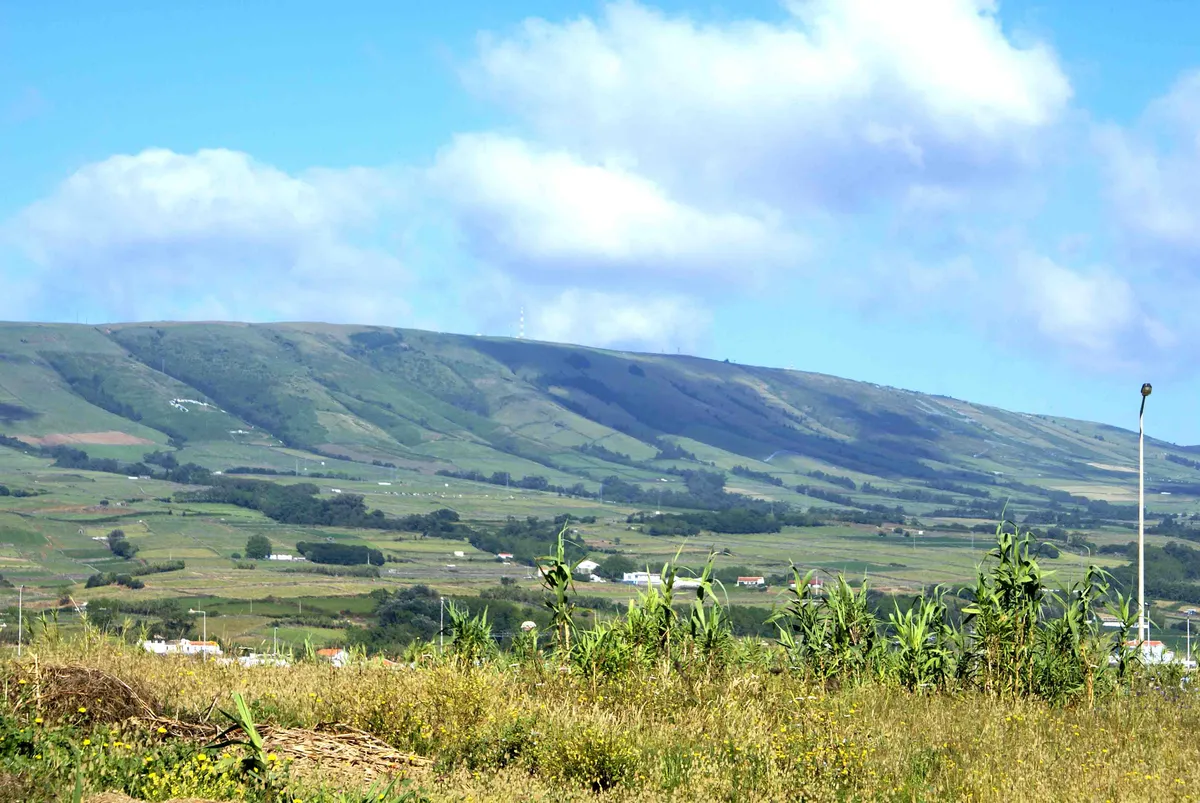
A volcanic landscape protected by law
Serra do Cume and the walled currais vineyards of Biscoitos are subject to landscape protection.
Less land available for new housing
The protections shrink the pool of developable land in Praia da Vitória.
Winegrowers defend the currais
The stone walls are a mark of agricultural identity and a source of income.
The property sector calls for alternatives
Proposals include identifying other land reserves or encouraging renovation instead.
An agricultural landscape with international recognition
The currais of Biscoitos, small enclosures of volcanic stone that shelter the vines from sea winds, form part of a wine-growing landscape that has been recognised by international agricultural heritage bodies. Serra do Cume, meanwhile, is one of Terceira's most-visited viewpoints, reinforcing the regional authorities' interest in keeping its landscape profile intact. Any construction work in these areas must undergo specific assessments that can extend the approval process by months.
Wine producers have their say
Producers under the Biscoitos Denomination of Origin argue that without landscape protection, the currais would have disappeared long ago under development pressure, taking a centuries-old winemaking tradition with them. Some nevertheless acknowledge that the restrictions also make it harder to modernise their holdings and to build small facilities to support farming activity. The Praia da Vitória town council has proposed relaxing certain requirements for construction directly linked to wine-growing.
Renovation as an alternative to new land
With developable land in short supply, local developers are increasingly opting to renovate existing homes in the settlements of Biscoitos and Porto Judeu rather than wait for new plots to become available. This strategy keeps the construction sector active without encroaching on protected areas, though it raises the final price of renovated homes compared with what a new-build development would cost on unrestricted land.
Comparison with other protected areas in the Azores
Terceira's situation mirrors what has happened elsewhere in the archipelago, where areas such as the Sete Cidades caldera on São Miguel have imposed similar building restrictions. Planning experts note that while such restrictions curb the supply of new housing, they have also prevented uncontrolled development that would today be generating far greater environmental strain on the island.
More in News
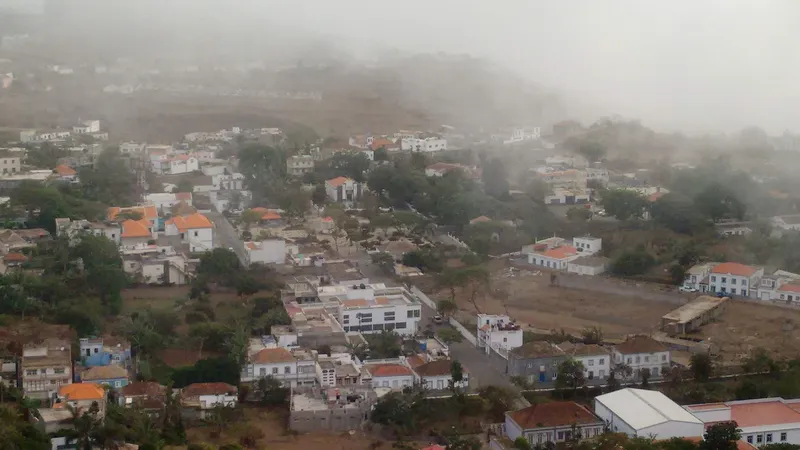
Brava, Cape Verde's smallest island, watches its houses empty out in step with emigration
With just a few thousand inhabitants and a population that keeps shrinking, Nova Sintra has a property market that is nearly frozen, kept alive solely by diasp…
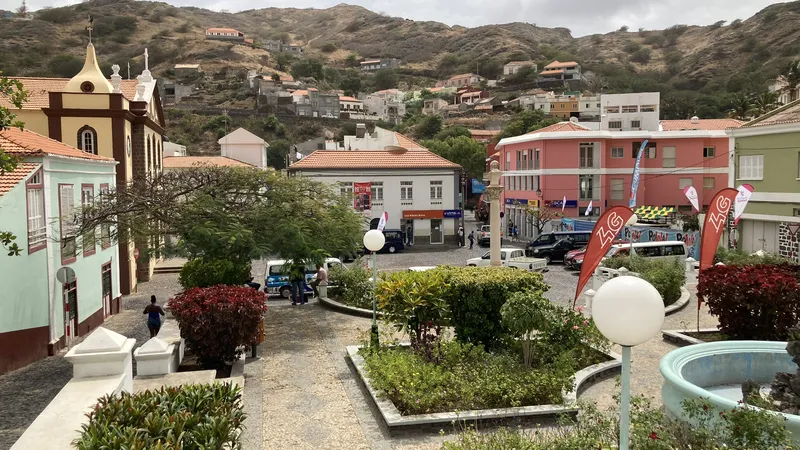
Ribeira Brava holds steady prices as emigration sets the market's pace
In São Nicolau, remittances from the diaspora sustain the building of family homes, but a lack of local buyers leaves a housing stock with many houses shut for…
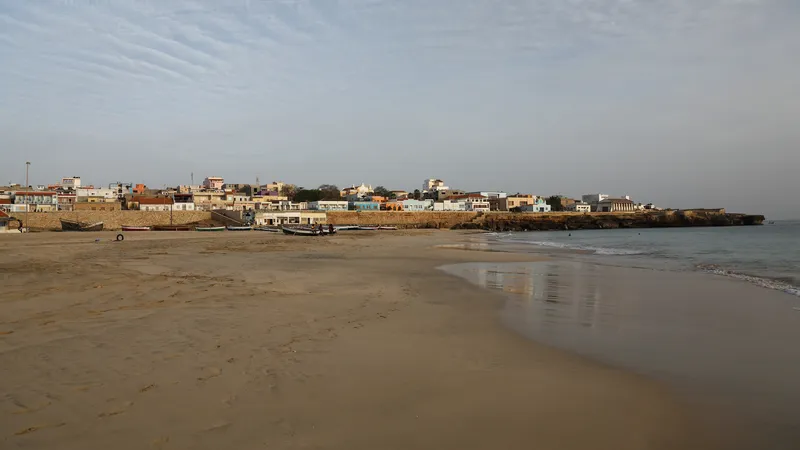
Maio, the island where buying a home is still nearly impossible for lack of supply
With the least developed property market in all of Cape Verde, Vila do Maio records barely any sales, while emigration leaves homes standing empty, neither sol…
Volcanic risk is already shaping house prices in São Filipe
At the foot of the Pico do Fogo volcano, memories of the last eruption continue to weigh on the value of homes near the caldera, while São Filipe's town centre…