Portugal tops EU house price rise and Madeira and the Azores feel it
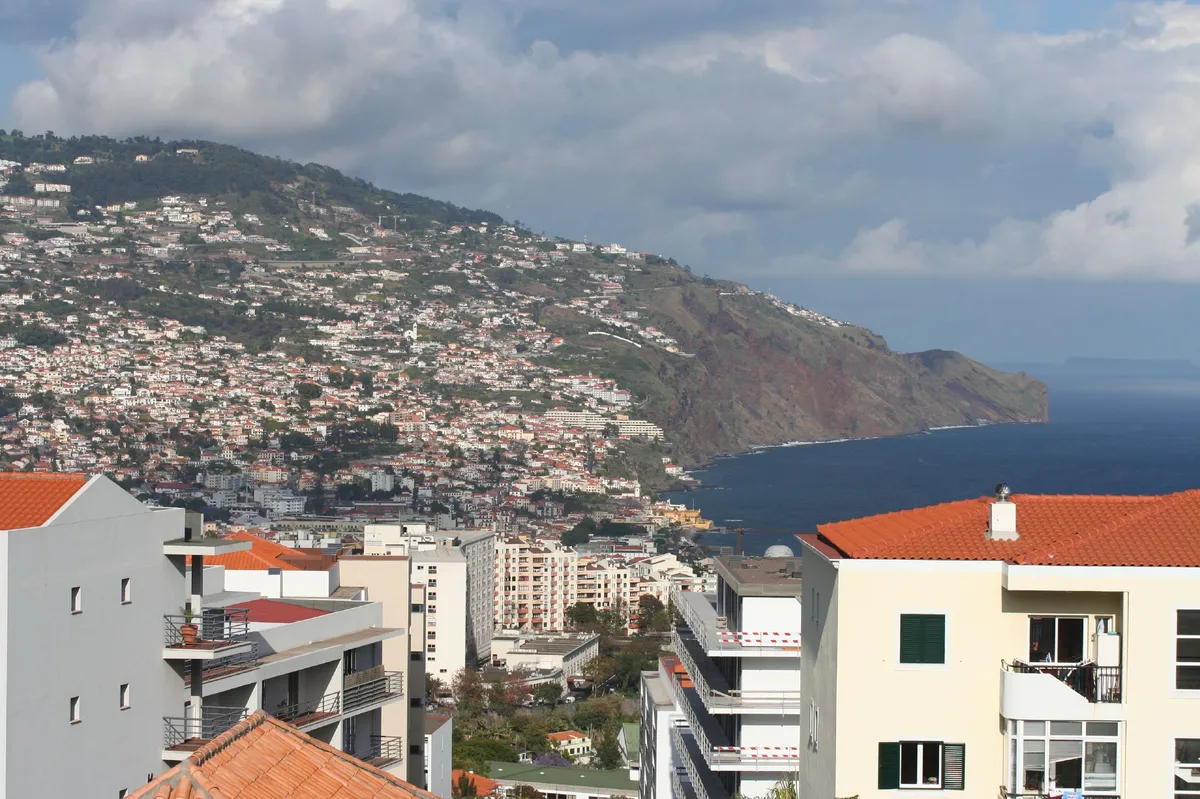
Portugal is the European Union country where house prices are rising fastest. According to Eurostat figures published on 8 September, homes cost 17.8% more in the first quarter of 2026 than a year earlier, against an EU average of 5.1%. Bulgaria, Slovakia and Croatia follow, all at around 14%.
Madeira at capital prices, the Azores still cheaper
Madeira is now the fourth most expensive area in Portugal: homes sold in the first quarter fetched a median 2,863 euros per square metre, according to the statistics office INE, against a national 2,337. Funchal reached 3,601 euros, up 23% in a year, the sharpest acceleration of any large city. The Azores remain more affordable at 1,617 euros per square metre, though prices there are climbing too.
Who is buying on the islands
The island market runs on three engines: tourism, which turns flats into holiday lets; returning emigrants with savings from Venezuela, South Africa or Canada; and foreigners looking for climate and calm. In Madeira, buyers with a tax address outside Portugal paid a median 3,295 euros per square metre, almost 500 more than a resident. In the Azores, companies and funds pay more than families do, a sign that investment capital has arrived. Meanwhile, sales in Madeira fell 24% in a year, a sign that many local buyers are being priced out.
What the Government has done
In October 2023 Portugal closed the Golden Visa route for property purchases, the residence permit granted in exchange for buying a home, as part of the Mais Habitação package. Under-35s buying their first home pay no IMT, the Portuguese property transfer tax, up to around 330,000 euros; they can use a state guarantee to borrow 100% of the price; and they pay less income tax through IRS Jovem, a discount during the first years of working life. They help, but they add demand to a market short of homes, which also pushes prices up.
What to expect
For a young person in Funchal or Ponta Delgada, tax breaks soften the blow but do not offset a 17.8% annual rise. It makes sense to look outside the capital and avoid signing out of fear of missing out. For anyone buying from abroad, Madeira already trades like a big European city, while the Azores offer more headroom but less liquidity. The closest reference is the Canary Islands: the same tourism model, the same affordability problem. Local councils hold the key: public land and control of holiday lets. Until more supply arrives, expect further rises, though probably less steep.
More in News
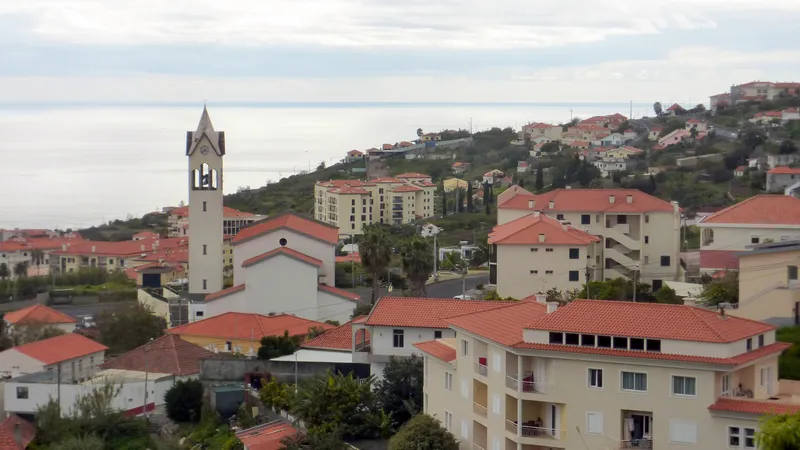
Madeira approves 718 new homes in first half of 2026 but completions fall
New-build licences in Madeira rose 27.5% in the first half of 2026 while finished homes fell. More projects are in the pipeline, but the extra supply will take…
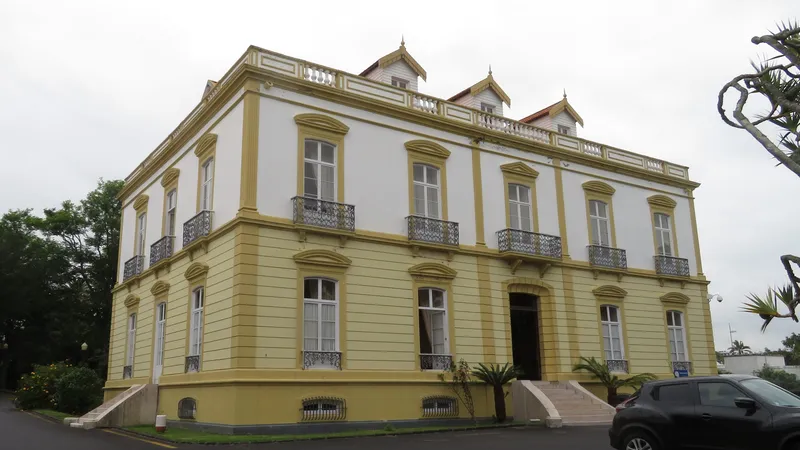
Azores PS proposes accommodation supplement for displaced students
The Azorean Socialist Party proposes a monthly housing supplement for students who must leave their island, from 2027/28. What it would mean for families and w…
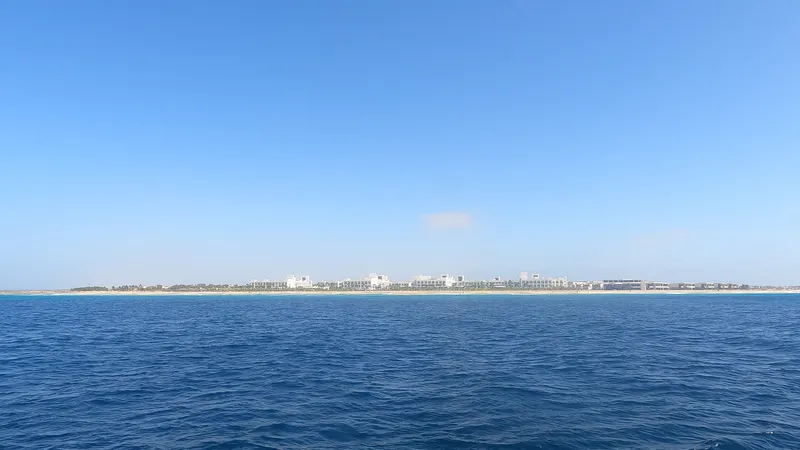
Cape Verde hotel boom pushes up property prices in Sal and Boa Vista
Cape Verde's hotels welcomed 277,000 guests between April and June, 9% more than a year earlier, led by Sal and Boa Vista. The boom is lifting prices and deepe…
Buying a home in Adeje or Guía de Isora takes almost 25 years of income
Buying in Adeje or Guía de Isora takes around 24.5 years of household income, while Arona and Granadilla rank among Spain's lowest-earning municipalities. Sout…