Azores PS proposes accommodation supplement for displaced students
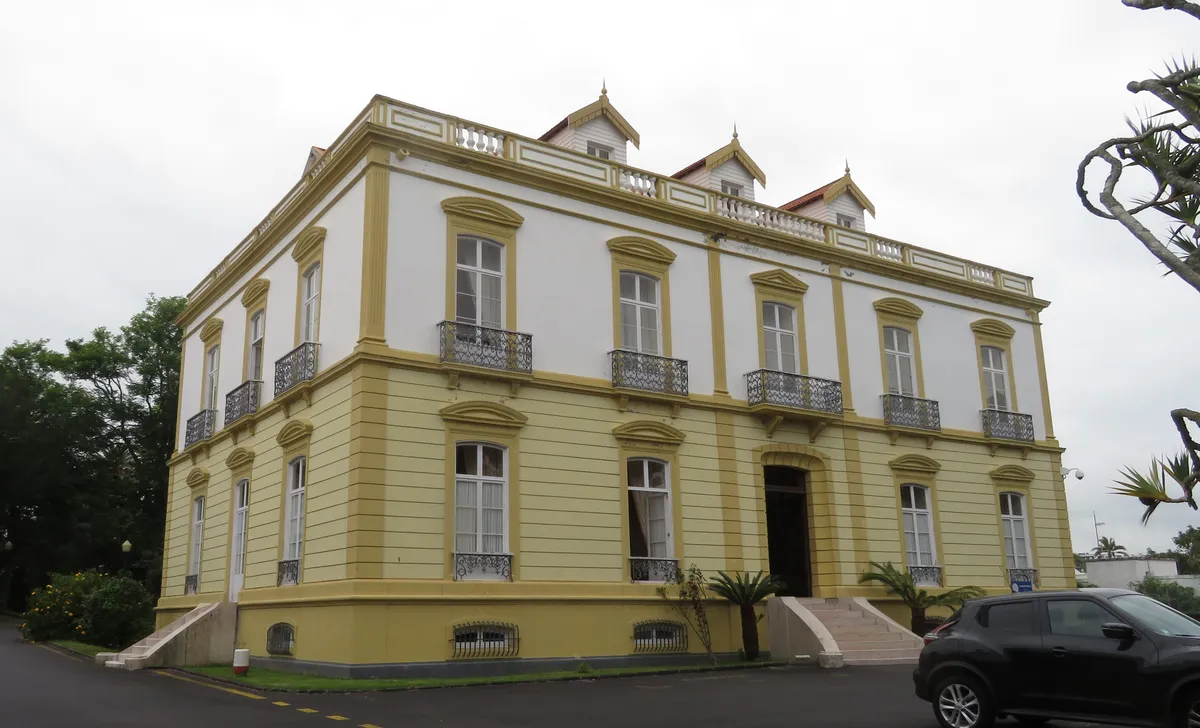
Studying away from home is rarely a choice in the Azores. Across nine islands, with the university split between Ponta Delgada, Angra do Heroísmo and Horta, many young people have to board a plane to keep studying. On 13 September 2026 the Azorean Socialist Party (PS) proposed a regional accommodation supplement for those displaced students, to apply for the first time in the 2027/28 academic year.
What the PS is proposing
The idea is a monthly payment for higher education students living on an island other than their family's, or on the mainland or in Madeira. It would cover grant holders and non-grant holders who meet certain conditions, and the amount would be adjusted to household income and to the actual cost of accommodation, within the budget available. Alongside it, families could deduct the cost of those flights from IRS, the Portuguese income tax.
What already exists
The Portuguese state already pays an accommodation supplement, but only to displaced students on a grant. For 2026/27 it is worth 30 per cent of the IAS, the reference index for social benefits: around 161 euros a month, with a top-up when the student cannot get a place in halls. The regional supplement would sit on top of that and reach families who currently miss out.
A market with too few beds
This year the University of the Azores is opening 270 new beds across its three campuses, funded through the PRR, the European recovery plan, for a total of 561 places. Students who miss out on halls turn to the private market, where a room in Ponta Delgada now costs around 400 euros a month after rising by roughly 50 per cent in a year, a recent report shows. On the smaller islands, secondary and vocational pupils also have to move away, although the proposal as announced focuses on higher education.
What would change for a family from Flores or Santa Maria
Take a student from Flores studying on São Miguel. Today, without a grant, the 400-euro room and the flights come entirely out of the family budget. Under the proposal they would receive a monthly sum based on that cost and household income, and the tickets would count against their tax bill. For that to happen, the 57-seat regional parliament has to pass the bill: the PS has 23 members and the coalition backing the regional government has 26, so the measure needs votes from other groups or a deal with the executive. While that is debated, families should apply for halls as early as possible and keep every rent receipt.
More in News
Madeira approves 718 new homes in first half of 2026 but completions fall
New-build licences in Madeira rose 27.5% in the first half of 2026 while finished homes fell. More projects are in the pipeline, but the extra supply will take…
Cape Verde hotel boom pushes up property prices in Sal and Boa Vista
Cape Verde's hotels welcomed 277,000 guests between April and June, 9% more than a year earlier, led by Sal and Boa Vista. The boom is lifting prices and deepe…
Buying a home in Adeje or Guía de Isora takes almost 25 years of income
Buying in Adeje or Guía de Isora takes around 24.5 years of household income, while Arona and Granadilla rank among Spain's lowest-earning municipalities. Sout…

House prices in Funchal reach 3,601 euros per square metre
Buying in Funchal costs 3,601 euros per square metre and renting 13.65 euros a month per metre. The rest of Madeira is cheaper, but wages are not keeping pace.