Madeira approves 718 new homes in first half of 2026 but completions fall
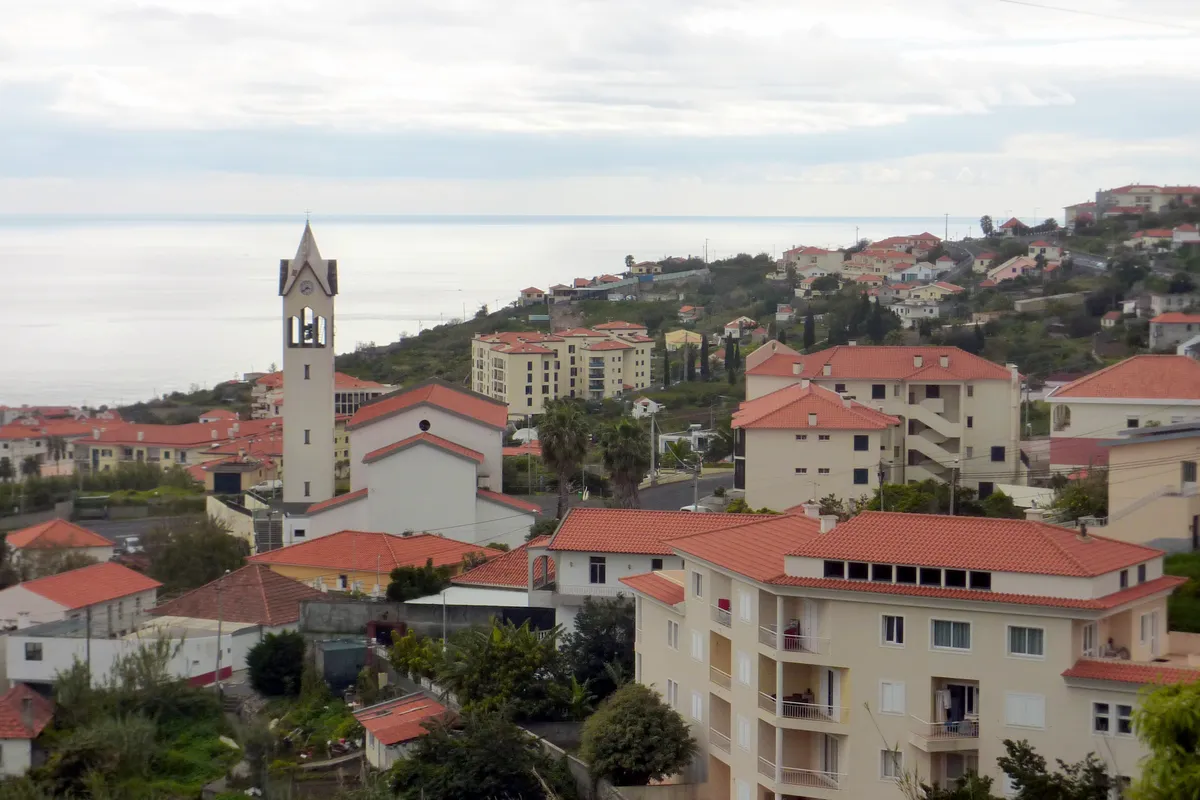
Madeira has approved more building work than in any recent year, yet the cranes are not keeping pace. Between January and June 2026 the island licensed 330 buildings, 19.1% more than a year earlier, and 718 new homes, up 27.5%. Completed buildings, however, fell by 1.6%. The figures were released on 11 September by DREM, Madeira's regional statistics office.
A licence is not a set of keys
A building licence is the council's permission to start work. Between that piece of paper and a home ready to move into, two to three years usually pass. So the jump in licences speaks about the future, not the present. And the present looks weaker: 188 buildings were finished, while completed homes fell to 414, some 16.5% fewer than a year earlier. Almost three in four licences are for new builds, and over 90% of those are for housing.
Why building takes longer
The gap between what is approved and what is finished has three causes familiar across Portugal. Labour is short, and crews drift towards better-paid jobs. Costs are rising: labour costs in construction grew by around 8% a year in 2024 and 2025. And on an island every material arrives by sea, with its own delays and price tag. Many licensed developments take longer than planned to get the first floor up.
Madeira bucks the trend
According to the INE, Portugal's national statistics office, the country licensed 7.1% fewer buildings in the second quarter of 2026, with steep falls in Greater Lisbon and the Algarve. Madeira was the fastest-growing region. Activity is concentrated in Funchal and its commuter belt, Santa Cruz and Câmara de Lobos, and in Calheta, where foreign demand is strong. That is also where prices are highest: Funchal is around 4,900 euros per square metre and Calheta 4,800, against roughly 3,500 in Santa Cruz and 3,400 in Câmara de Lobos. The regional average of about 4,400 euros is beaten only by Lisbon and the Algarve.
What it means for house hunters
For anyone planning to buy a new-build in 2027 or 2028, more projects are in the pipeline than for years; it pays to check each development's real timetable rather than rely on the promised date. For those looking today, the message is different: until licensed homes are actually finished, supply does not grow and prices stay tight. For local councils, the challenge is to match licences with land, services and affordable housing. Expect a staggered delivery: 2026 will be a lean year for new keys, and any relief will show in 2027 and 2028.
More in News
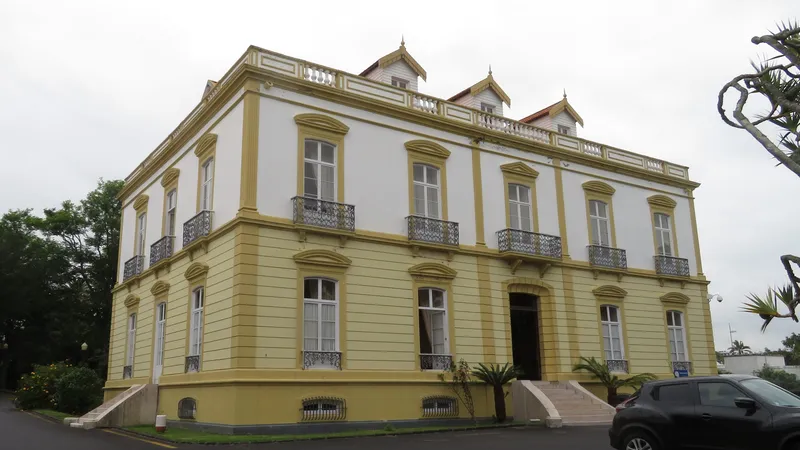
Azores PS proposes accommodation supplement for displaced students
The Azorean Socialist Party proposes a monthly housing supplement for students who must leave their island, from 2027/28. What it would mean for families and w…
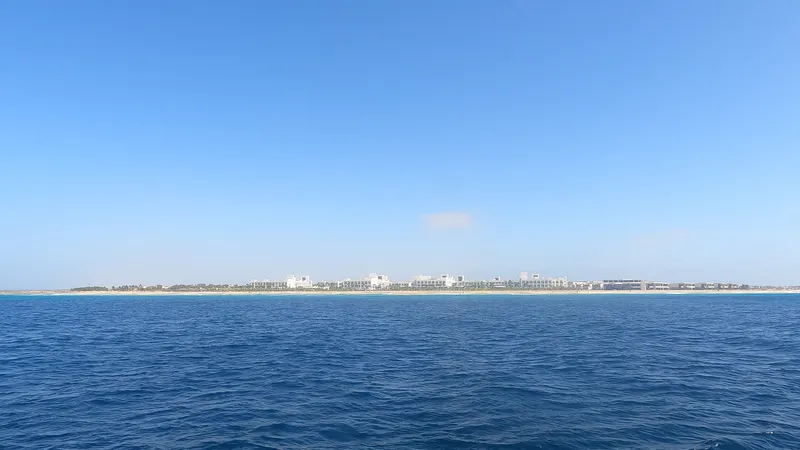
Cape Verde hotel boom pushes up property prices in Sal and Boa Vista
Cape Verde's hotels welcomed 277,000 guests between April and June, 9% more than a year earlier, led by Sal and Boa Vista. The boom is lifting prices and deepe…
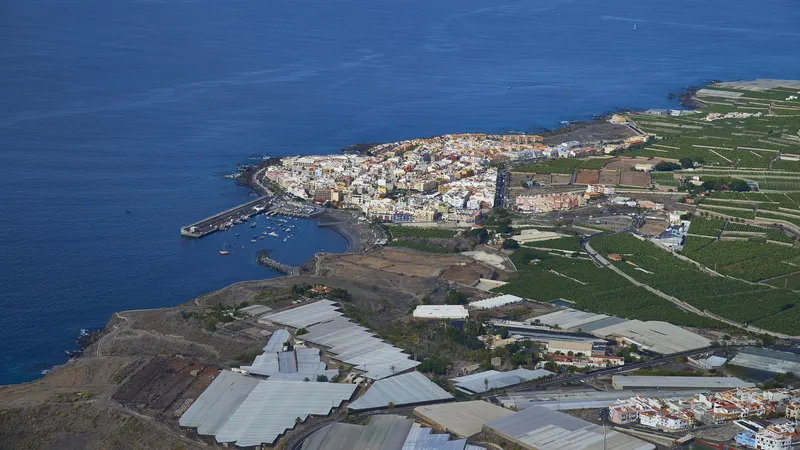
Buying a home in Adeje or Guía de Isora takes almost 25 years of income
Buying in Adeje or Guía de Isora takes around 24.5 years of household income, while Arona and Granadilla rank among Spain's lowest-earning municipalities. Sout…
House prices in Funchal reach 3,601 euros per square metre
Buying in Funchal costs 3,601 euros per square metre and renting 13.65 euros a month per metre. The rest of Madeira is cheaper, but wages are not keeping pace.