Buying a home in Adeje or Guía de Isora takes almost 25 years of income
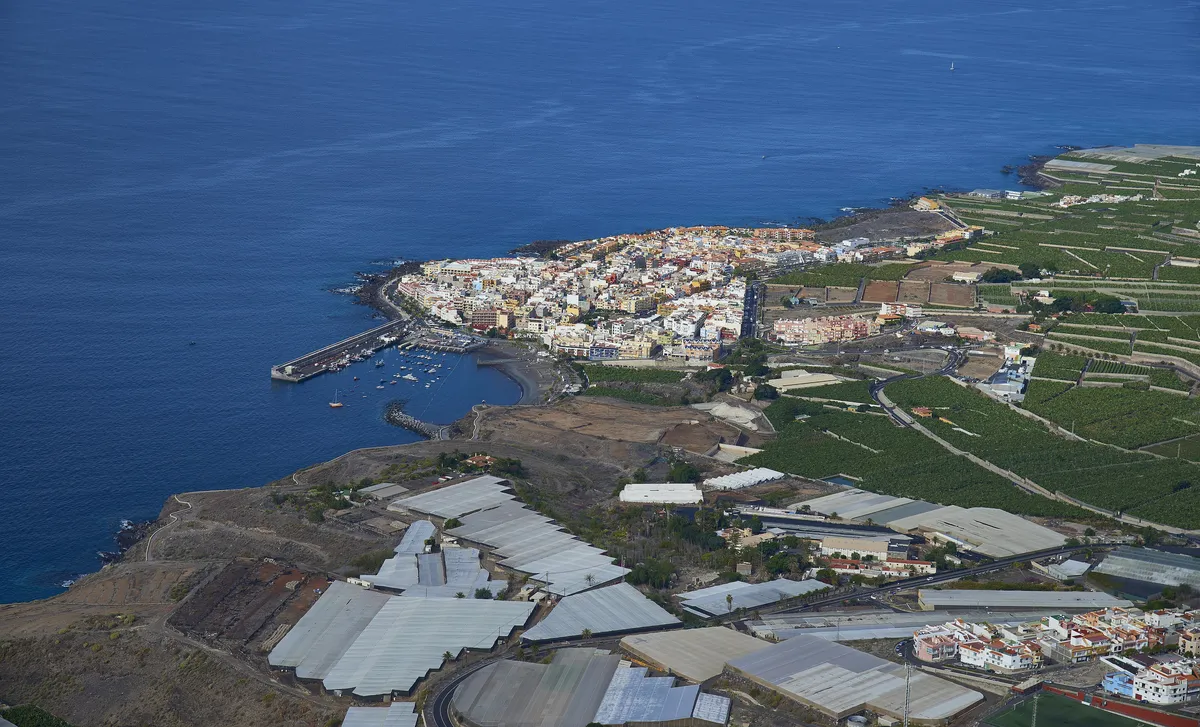
Buying a home in Adeje or Guía de Isora takes more years of household income than anywhere else in the Canary Islands. A few kilometres away, Arona and Granadilla de Abona rank among Spain's lowest-income municipalities. That is the picture drawn by an analysis released on 13 September, built on income data from Spain's statistics office (INE) and on house prices.
Almost 25 years of income
In Adeje, a household on an average income would need 24.57 years of its entire earnings to pay for an average home. In Guía de Isora, 24.32 years. The figures refer to 2023. For comparison, the effort in La Laguna is around 12.5 years and in Las Palmas de Gran Canaria it stays below 11. European criteria treat a market as stressed once buying requires more than eight years of income. Adeje triples that bar.
Wages at the bottom of the Spanish table
The INE's household income atlas, which estimates each municipality's earnings from tax records, puts average income per person at 11,184 euros a year in Arona and 11,489 euros in Granadilla de Abona. The Spanish average is 15,036 euros and the Canarian average 13,595. Both sit in the poorest quarter of the country, in an area where housing is priced like a seafront resort.
Why this happens in the south
The south lives off tourism, which pays hospitality and service wages, often on seasonal contracts. At the same time, housing competes for a buyer who does not earn local wages: roughly half of all purchases in Arona and Adeje are made by foreigners, many of them to turn the flat into a holiday let, that is, renting it by the night to tourists. That use yields several times more than a long-term tenancy, so many flats leave the residential market.
What a hotel worker in the south can do
For a chambermaid at a Costa Adeje hotel, buying near work is today an almost theoretical option. Three routes remain. Social housing: the Canarian housing institute is preparing 134 affordable rental flats in Adeje, Arona and Guía de Isora; a small number, but worth registering for. Living in the hillside villages or in the north, where prices are lower, in exchange for more time on the motorway. And the declaration of a stressed residential market area, the legal tool that allows new rents to be capped and that most large Canarian municipalities would already qualify for. Things to watch: whether southern councils apply for it and how much public housing is actually handed over.
More in News
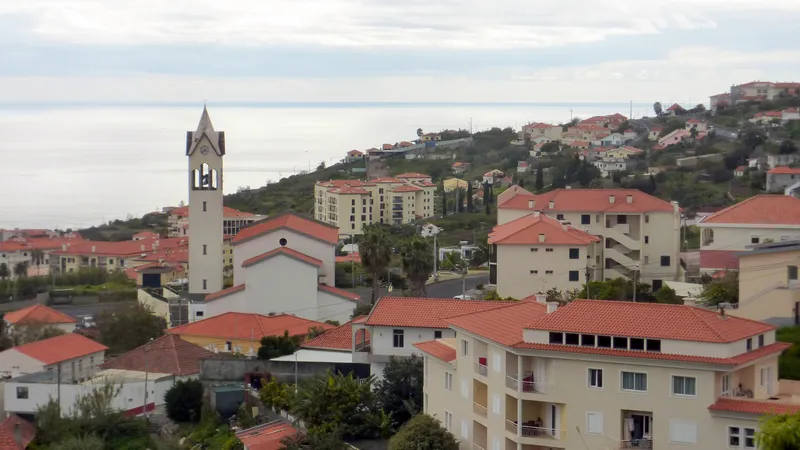
Madeira approves 718 new homes in first half of 2026 but completions fall
New-build licences in Madeira rose 27.5% in the first half of 2026 while finished homes fell. More projects are in the pipeline, but the extra supply will take…
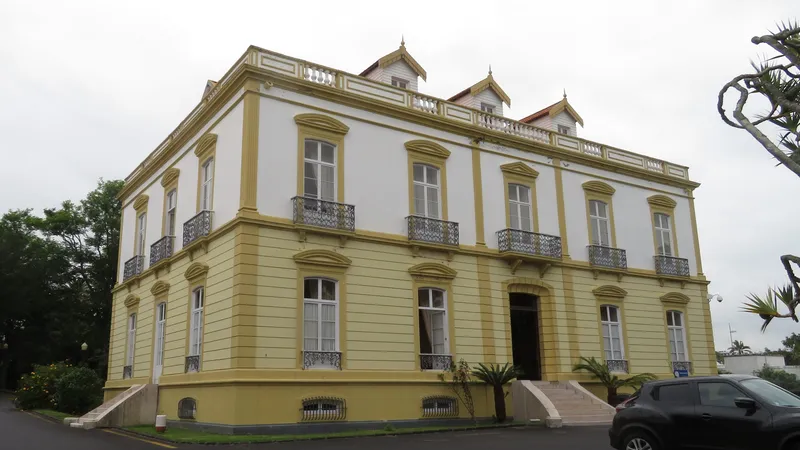
Azores PS proposes accommodation supplement for displaced students
The Azorean Socialist Party proposes a monthly housing supplement for students who must leave their island, from 2027/28. What it would mean for families and w…
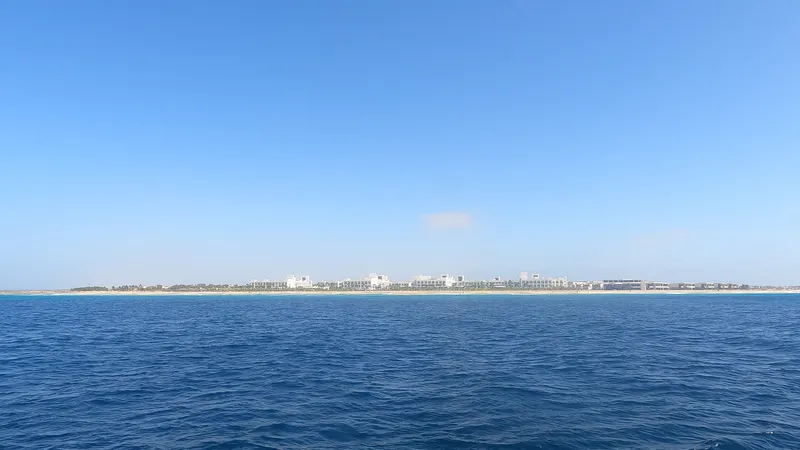
Cape Verde hotel boom pushes up property prices in Sal and Boa Vista
Cape Verde's hotels welcomed 277,000 guests between April and June, 9% more than a year earlier, led by Sal and Boa Vista. The boom is lifting prices and deepe…
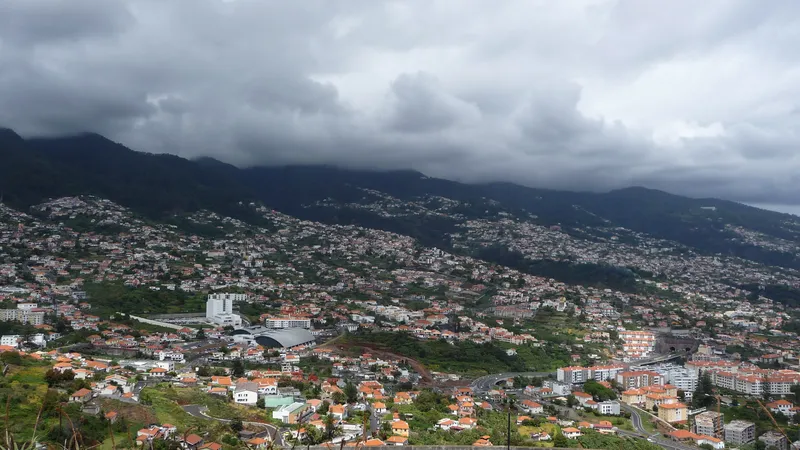
House prices in Funchal reach 3,601 euros per square metre
Buying in Funchal costs 3,601 euros per square metre and renting 13.65 euros a month per metre. The rest of Madeira is cheaper, but wages are not keeping pace.