One in five holiday apartments on Boa Vista sits empty outside the high season
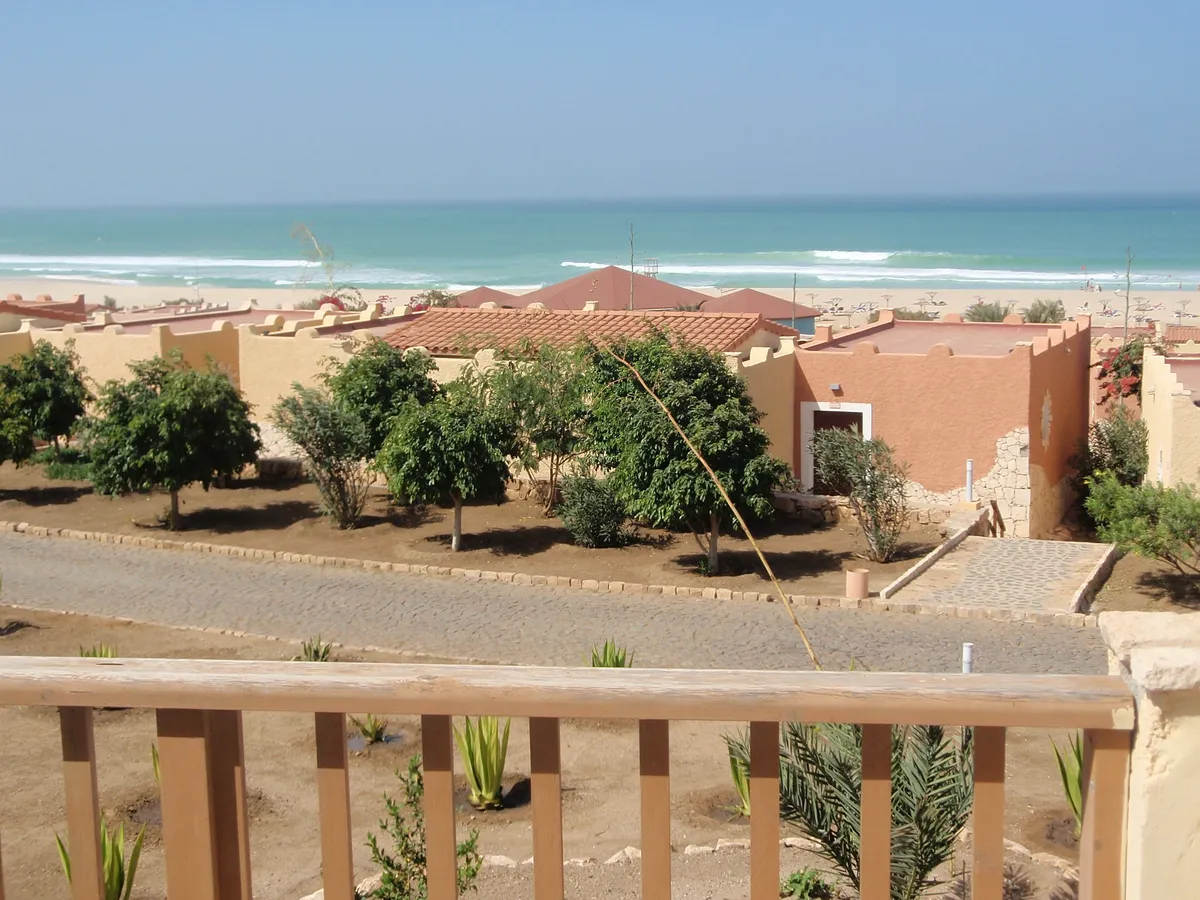
Complexes that empty out once the European summer ends
Average occupancy falls below 20% between May and September.
The cost of keeping a home empty
An apartment worth around 16,500,000 CVE carries a maintenance charge of 45,000 CVE a month.
Planning built around the high season
The developments were designed with no thought for out-of-season use.
A debate that is starting to open up
There are calls to encourage medium- and long-term letting among absentee owners.
Complexes designed for the European high season
The large tourist complexes on Boa Vista, many of them sold by European operators under holiday-ownership schemes, were built around an occupancy calendar concentrated between October and April, in line with the sun-and-beach season most in demand among British and central European buyers. That commercial logic goes some way to explaining why much of the accommodation stands underused for the rest of the year, when the climate remains perfectly suited to tourism but demand drops sharply.
Owners left with costs but no income
Many foreign owners who bought their apartment as an investment admit that maintenance charges of close to 45,000 CVE a month are a considerable burden during the months when the property sits empty and generates no income whatsoever. Local property managers say that some of these owners have begun to consider selling, given how hard it is to make a steady return on their original investment across the whole year.
Medium-term lets as a possible way out
Some estate agencies on Boa Vista have begun promoting medium- and long-term lets among absentee owners, aimed both at workers in the tourism industry and at visitors looking for stays of several weeks outside the traditional high season. The early results are still modest, but they offer one route to reducing the vacancy rate that characterises much of this residential stock today.
A debate that also takes in island planning policy
Tourism officials on Boa Vista accept that the problem of seasonal occupancy should have been taken into account when the complexes were first designed, by broadening the offer towards less seasonal types of visitor. Looking ahead, the suggestion is that new developments should build in management arrangements from the outset that allow for steadier use throughout the year, avoiding a repeat of the pattern of underuse that now affects much of the island's tourist housing stock.
More in News
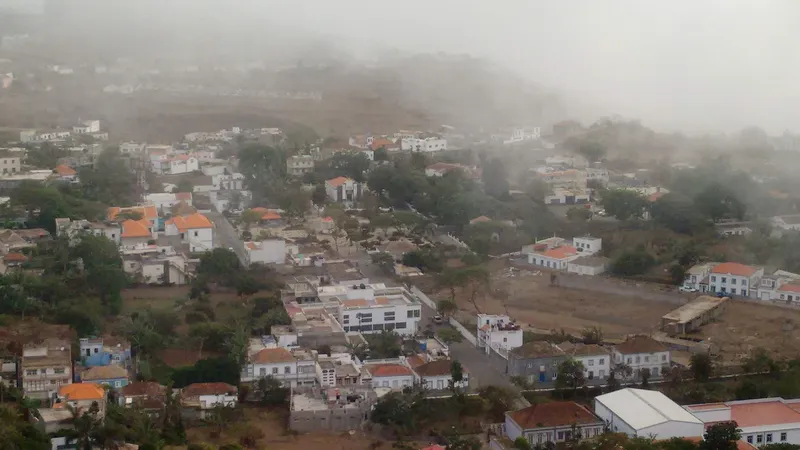
Brava, Cape Verde's smallest island, watches its houses empty out in step with emigration
With just a few thousand inhabitants and a population that keeps shrinking, Nova Sintra has a property market that is nearly frozen, kept alive solely by diasp…
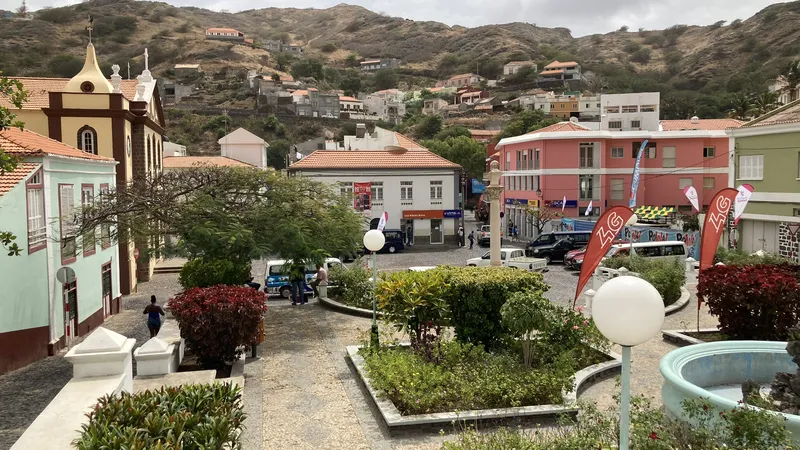
Ribeira Brava holds steady prices as emigration sets the market's pace
In São Nicolau, remittances from the diaspora sustain the building of family homes, but a lack of local buyers leaves a housing stock with many houses shut for…
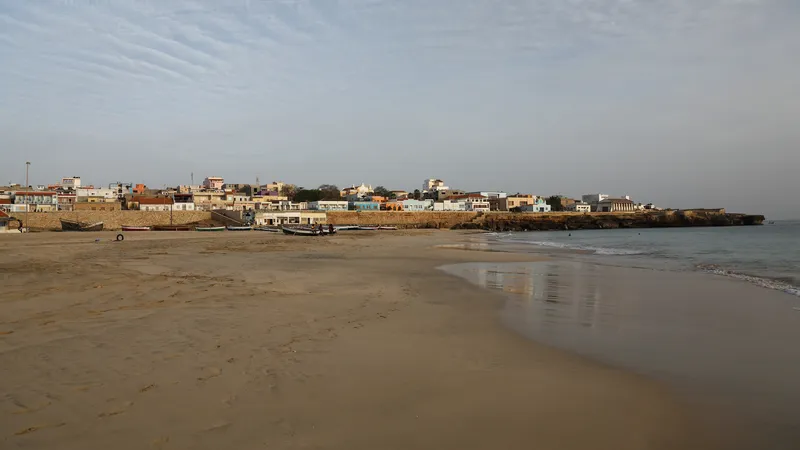
Maio, the island where buying a home is still nearly impossible for lack of supply
With the least developed property market in all of Cape Verde, Vila do Maio records barely any sales, while emigration leaves homes standing empty, neither sol…

Volcanic risk is already shaping house prices in São Filipe
At the foot of the Pico do Fogo volcano, memories of the last eruption continue to weigh on the value of homes near the caldera, while São Filipe's town centre…