Las Palmas de Gran Canaria moves towards declaring a stressed residential market area
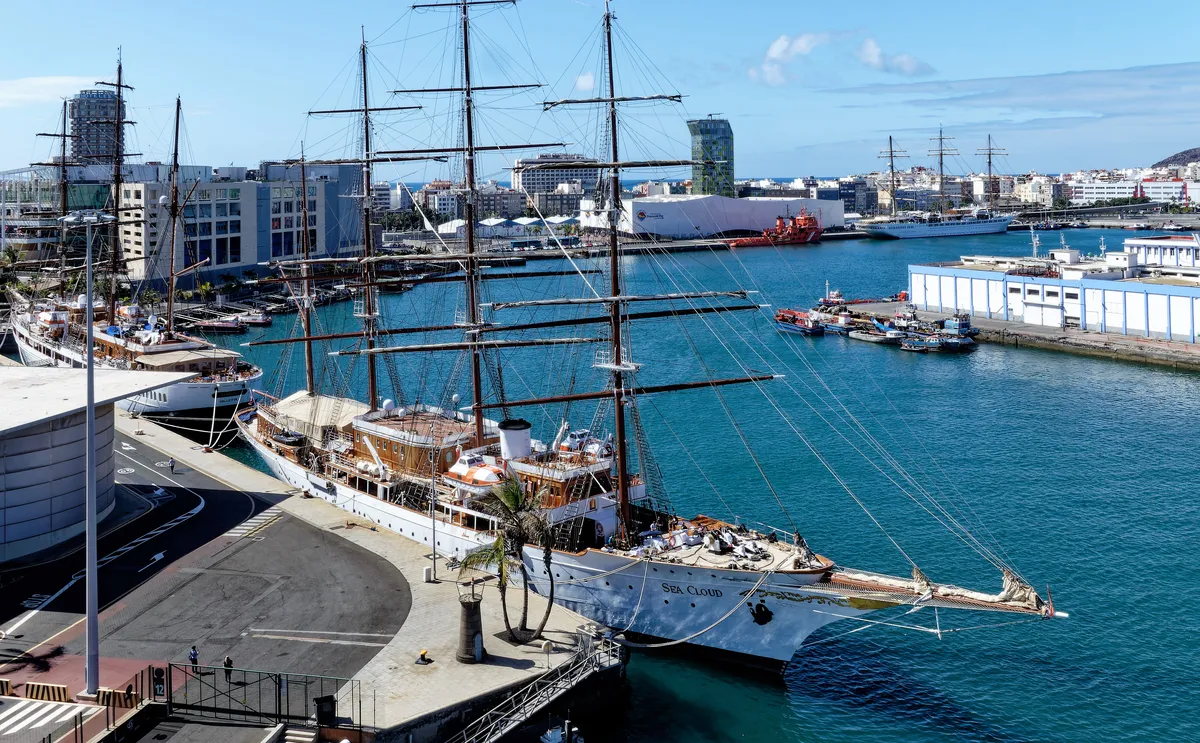
Las Palmas de Gran Canaria is on track to become one of the first major cities in the archipelago to adopt the stressed residential market area designation provided for under Spain's national housing law. The process, on which the city council and the Government of the Canary Islands are working, rests on evidence the data has reflected for years: renting in the capital has become unaffordable for a growing share of its households.
The requirements are comfortably met
The law allows an area to be declared stressed when the cost of rent or a mortgage, plus utilities, exceeds 30% of average household income, or when prices have risen over five years by at least three points above the regional consumer price index. According to property portals, the average rent in the capital is already around 12 euros per square metre a month, after cumulative rises of more than 30% over five years, while wages, according to Istac data, have grown at a much slower pace. Neighbourhoods such as Guanarteme, Alcaravaneras and the area around Las Canteras are under the greatest strain.
What changes for tenants
The declaration, initially valid for three years, renewable, would trigger limits on rent increases in new contracts: as a general rule, rent could not exceed that of the previous contract, and for large landlords it would be capped by the national reference index. Tenants would also gain the right to extraordinary extensions when their contracts end. Industry sources caution that the effect will be gradual and will depend on effective enforcement over new tenancies.
What it means for landlords
For small landlords, the designation comes with national tax incentives for letting at capped prices or to young people, aimed at discouraging owners from withdrawing homes from the market. Large landlords, by contrast, face the strictest obligations. Part of the industry warns of the risk that supply could shift towards seasonal lets or sales, an effect seen in other Spanish cities that already apply the designation and which Canary Islands authorities say they intend to monitor closely.
A tool, not a complete solution
Authorities and industry sources agree on one point: the declaration is a containment tool, not a structural solution. Without more affordable housing, both public and private, the underlying pressure will remain. The Gran Canaria capital is, in any case, becoming the Canary Islands' testing ground for a policy that will shape the housing debate across the archipelago in the years ahead.
More in News
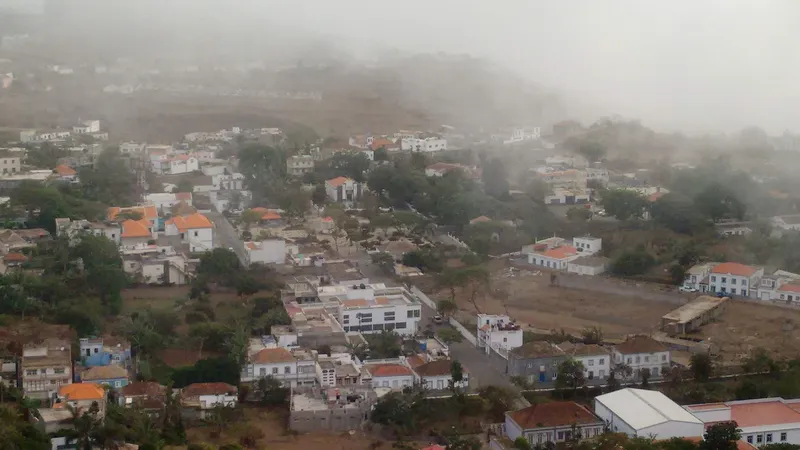
Brava, Cape Verde's smallest island, watches its houses empty out in step with emigration
With just a few thousand inhabitants and a population that keeps shrinking, Nova Sintra has a property market that is nearly frozen, kept alive solely by diasp…
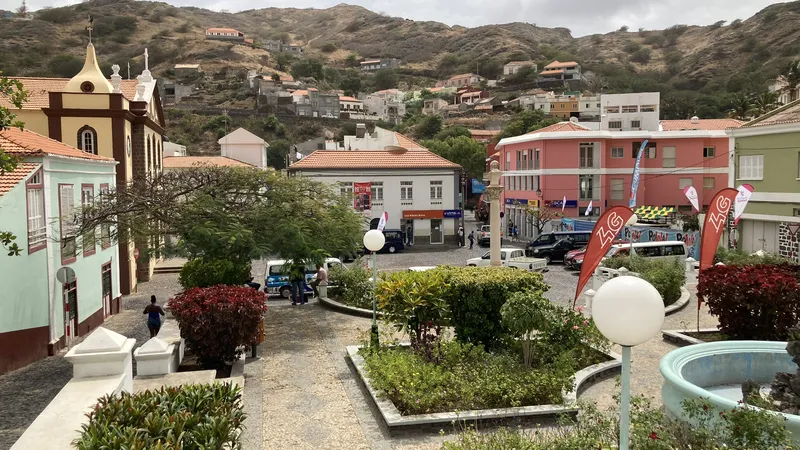
Ribeira Brava holds steady prices as emigration sets the market's pace
In São Nicolau, remittances from the diaspora sustain the building of family homes, but a lack of local buyers leaves a housing stock with many houses shut for…
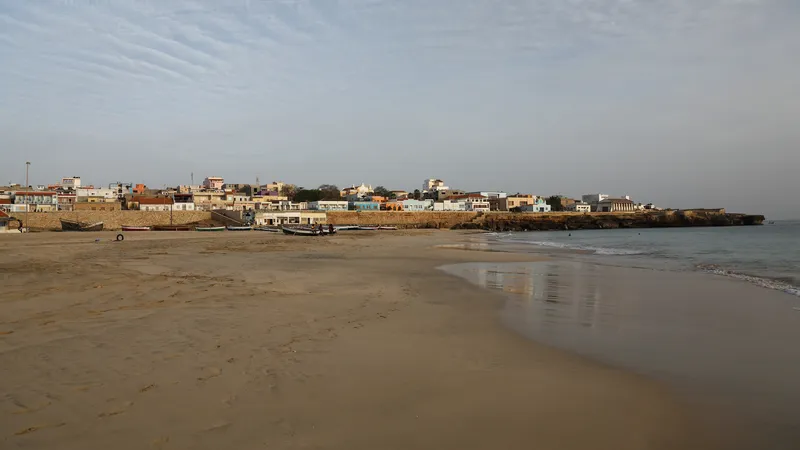
Maio, the island where buying a home is still nearly impossible for lack of supply
With the least developed property market in all of Cape Verde, Vila do Maio records barely any sales, while emigration leaves homes standing empty, neither sol…

Volcanic risk is already shaping house prices in São Filipe
At the foot of the Pico do Fogo volcano, memories of the last eruption continue to weigh on the value of homes near the caldera, while São Filipe's town centre…