Hundreds of emigrants' homes stand empty across Vila do Porto's residential landscape
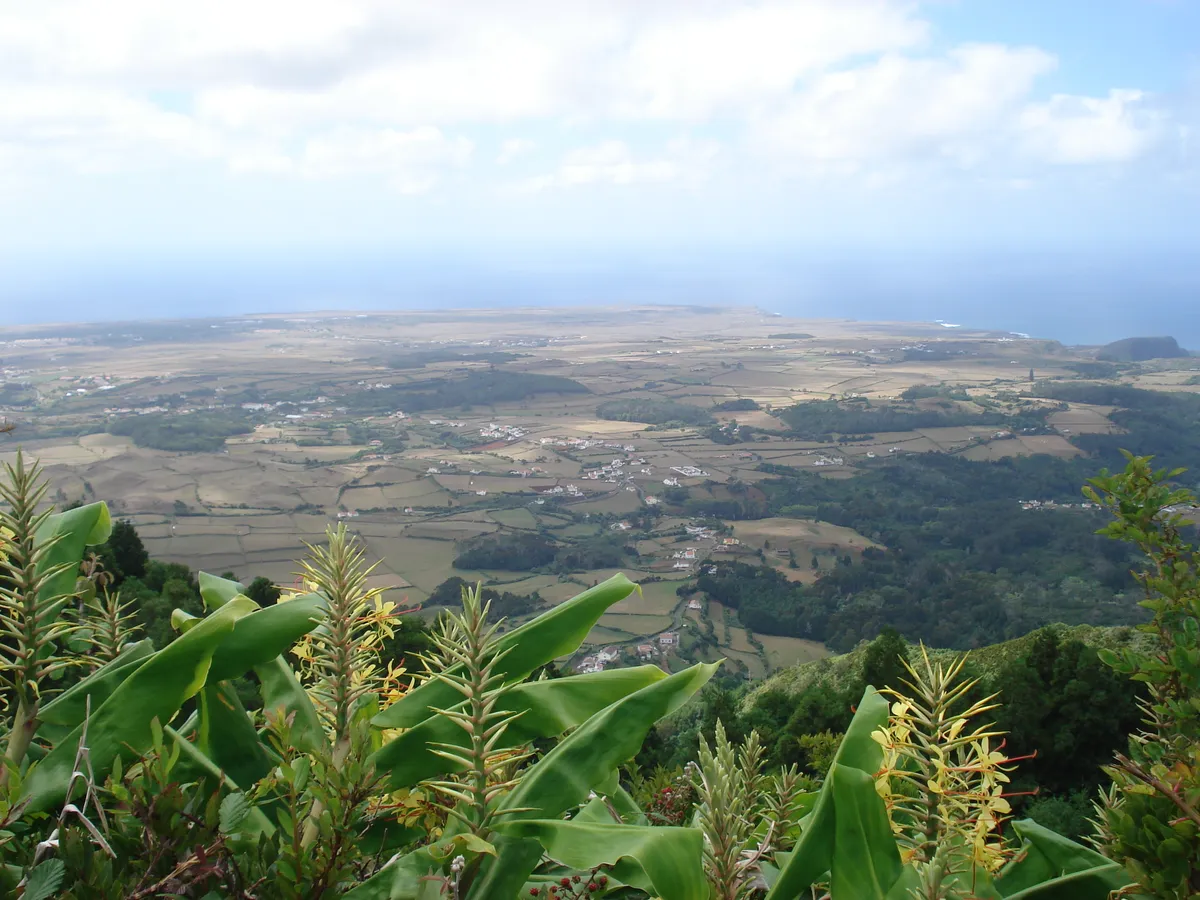
A legacy of transatlantic emigration
Many houses were built or extended with remittances sent from North America.
An underused housing stock
Dozens of homes sit empty for 10 or 11 months of the year.
Between sentimental value and market pressure
The emotional attachment makes it hard for these houses to come onto the market.
Possible ways to bring the empty stock into use
Tax incentives are being considered to encourage long-term letting.
An island shaped by emigration
Santa Maria, together with São Miguel, was one of the Azorean islands with the highest emigration to the United States and Canada for much of the 20th century, a movement that left a deep mark on Vila do Porto's urban landscape. Remittances sent from New England and California allowed many families to build or extend their homes, often to a size and standard of finish above the island's average at the time. Local historians believe this phenomenon accounts for much of the town's present-day appearance. The connection with the diaspora remains, decades on, a defining feature of Santa Maria's identity.
Houses waiting for summer
The usual pattern is for these houses to stay shut most of the year and open only during the summer weeks, when emigrant families return for their holidays. Local shops notice a clear uptick in activity during those weeks, followed by a marked drop-off for the rest of the year. Some families have begun considering a permanent return after retirement, which could change how some of these houses are used in future. For now, though, most continue to function as seasonal residences.
The brake of family attachment
Even though long-term letting could generate a steady income for owners, most prefer to keep their houses shut rather than hand them over to others, even temporarily. This attachment, according to residents interviewed, stems from the emotional value of the family home and fear of misuse or deterioration of the property. Some owners have opted for short-term tourist rentals during the months they are not using the house themselves. The combination of the two uses, sentimental and commercial, now defines how much of this housing stock is used.
Measures under discussion
Vila do Porto officials are studying, together with the Governo Regional dos Açores, possible tax incentives for emigrant owners who decide to let their houses long-term to island residents. These measures draw on similar experiences applied in other European regions with high historic emigration. If adopted, they could free up part of a housing stock that today sits largely unused for most of the year. Authorities insist that any solution must respect owners' wishes and the emotional bond they maintain with their houses.
More in News
Brava, Cape Verde's smallest island, watches its houses empty out in step with emigration
With just a few thousand inhabitants and a population that keeps shrinking, Nova Sintra has a property market that is nearly frozen, kept alive solely by diasp…
Ribeira Brava holds steady prices as emigration sets the market's pace
In São Nicolau, remittances from the diaspora sustain the building of family homes, but a lack of local buyers leaves a housing stock with many houses shut for…
Maio, the island where buying a home is still nearly impossible for lack of supply
With the least developed property market in all of Cape Verde, Vila do Maio records barely any sales, while emigration leaves homes standing empty, neither sol…
Volcanic risk is already shaping house prices in São Filipe
At the foot of the Pico do Fogo volcano, memories of the last eruption continue to weigh on the value of homes near the caldera, while São Filipe's town centre…