House prices in the Canary Islands rise 11% after 45 quarters of growth
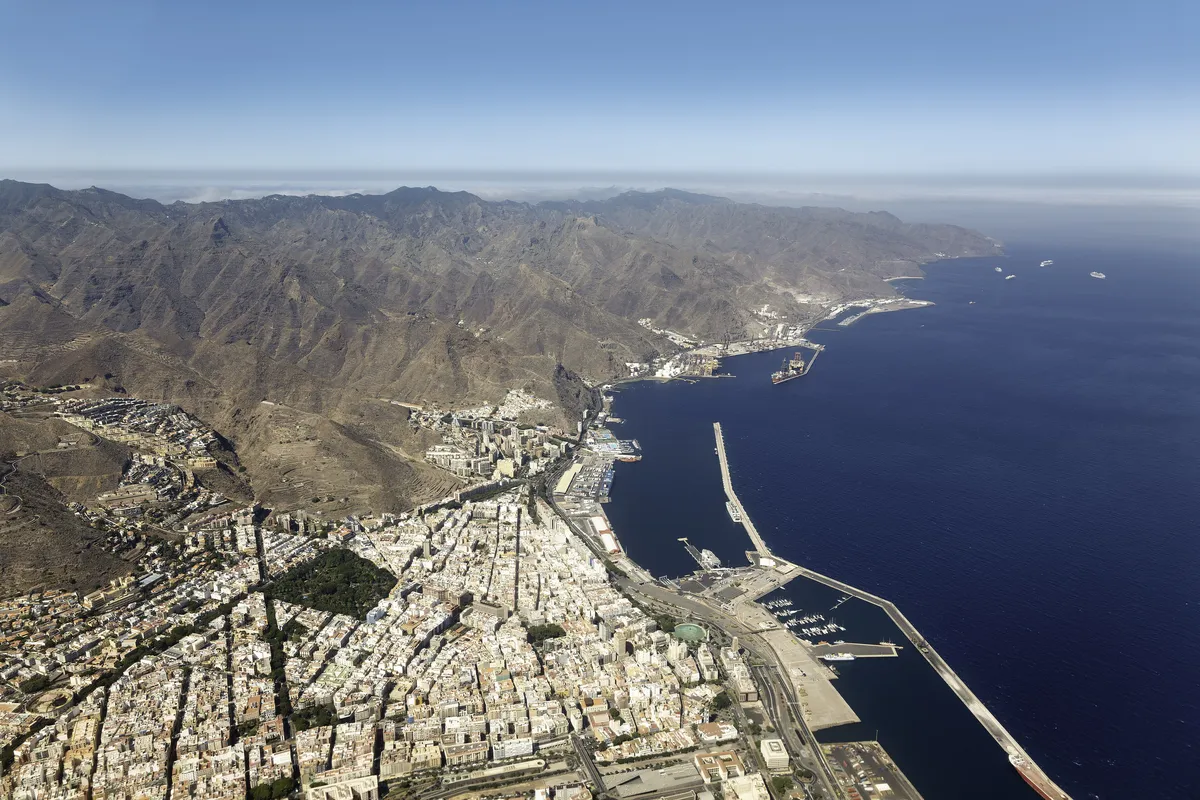
Buying a home in the Canary Islands costs more again than it did a year ago. According to the House Price Index published by Spain's National Statistics Institute (INE), prices across the archipelago rose by 11% in the second quarter of 2026 compared with the same period of 2025. That makes 45 quarters of increases in a row: the series has not fallen since 2015.
What the figure measures
The INE House Price Index (IPV) is the official statistic that tracks the purchase price of free-market homes, new and second-hand, using the deeds signed before a notary. It is not an estimate from property portals or asking prices: it reflects what buyers actually paid.
On the islands, second-hand homes are driving the rise, up 12.9%. New-build prices are climbing more gently, by 7.4%. Little new housing is coming on stream, so the pressure lands on the existing stock, which is what most families buy.
The Canaries against the rest of Spain
High as it is, the Canarian figure sits below the Spanish average of 12.2%. In the same quarter the Balearic Islands, the country's other tourist archipelago, recorded 13.7%. The steepest rises were in Ceuta and Asturias, close to 15%; the mildest in Navarre and the Basque Country, around 10%. Every region went up: the Canaries are part of a national trend that now stretches back more than twelve years.
What it means for people living here
For a family hoping to buy, the home they were looking at costs a little more each quarter and the mortgage grows with it; if wages do not keep pace, the deposit drifts further away. Existing owners see their home gain value, although they will only feel it when they sell. For tenants, dearer purchases tend to feed through into rents, because fewer renters make the leap to ownership. Local councils collect more from property transfers, but struggle to keep young people and key workers on the islands.
What to expect
Nationally the pace eased by seven tenths of a point compared with the previous quarter, but nothing points to prices falling in the short term. Worth watching: the next INE release towards the end of the year, mortgage rates, and how much new housing is actually completed in the Canaries. For anyone house-hunting, the practical advice is to compare less sought-after municipalities, work out the monthly payment with a safety margin, and not rush for fear of missing out. The market has been rising for eleven years; it will not change in a week.
More in News
Madeira approves 718 new homes in first half of 2026 but completions fall
New-build licences in Madeira rose 27.5% in the first half of 2026 while finished homes fell. More projects are in the pipeline, but the extra supply will take…
Azores PS proposes accommodation supplement for displaced students
The Azorean Socialist Party proposes a monthly housing supplement for students who must leave their island, from 2027/28. What it would mean for families and w…
Cape Verde hotel boom pushes up property prices in Sal and Boa Vista
Cape Verde's hotels welcomed 277,000 guests between April and June, 9% more than a year earlier, led by Sal and Boa Vista. The boom is lifting prices and deepe…
Buying a home in Adeje or Guía de Isora takes almost 25 years of income
Buying in Adeje or Guía de Isora takes around 24.5 years of household income, while Arona and Granadilla rank among Spain's lowest-earning municipalities. Sout…