Garajonay National Park restricts construction, leaving homes abandoned around it
More than a tenth of the island under protection
Garajonay National Park imposes strict limits on any planning activity.
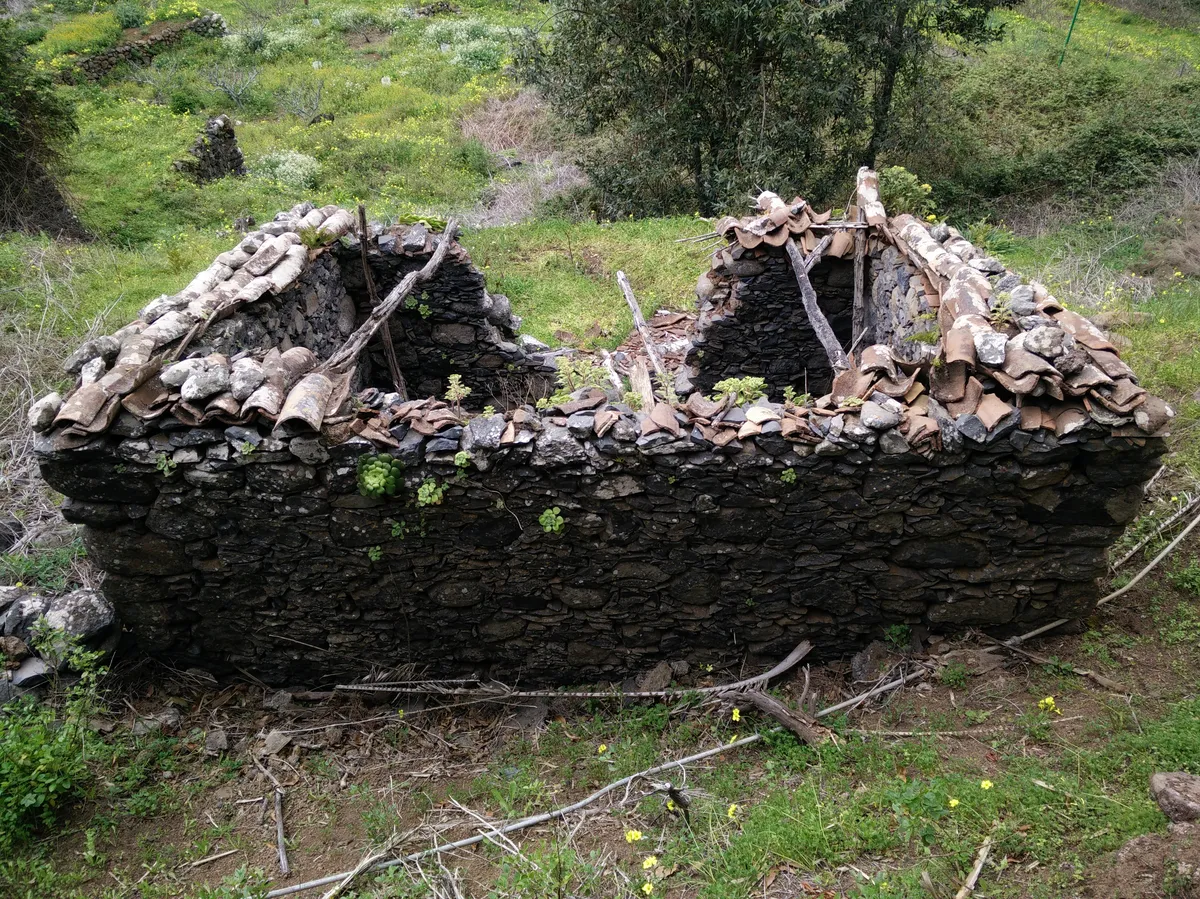
Houses that can no longer be renovated
Homes near El Cedro have been left uninhabited because they cannot be extended or renovated.
Owners caught between conservation and housing
Those who inherit homes within the protected perimeter have no clear options.
A knock-on effect on neighbouring municipalities
The restriction shifts construction pressure onto Vallehermoso or Hermigua.
A laurel forest declared a World Heritage Site
Garajonay National Park protects one of the best-preserved laurel forests in the Canary Islands, recognised by UNESCO as a World Heritage Site since 1986 for its value as a relic of the subtropical forest that once covered much of southern Europe. This dual protection, national and UNESCO, explains the especially strict nature of the planning restrictions linked to the park. Any work in its immediate surroundings requires additional technical reports not demanded outside the protected perimeter. The site's ecological value is beyond dispute, even among those calling for the rules on neighbouring homes to be relaxed.
Families caught by natural heritage law
Several families with homes inherited near El Cedro describe the frustration of being unable to extend or substantially renovate houses that have been in their possession for generations, despite having lived in them regularly before the deterioration set in. The protection rules make no distinction between new construction and renovating what already exists, considerably toughening any application. Some owners have opted to carry out minimal repairs without a permit, given the slowness and complexity of the standard administrative route. Others have simply ended up abandoning the property after failing to find a viable legal solution.
A steady drift towards neighbouring municipalities
Unable to renovate or extend their homes within the protected perimeter, many affected families have chosen to move their main residence to towns in Vallehermoso or Hermigua, where planning rules allow more room for manoeuvre. This shift has boosted demand for land and housing in both municipalities, with a corresponding effect on local prices. Developers and estate agents in the area acknowledge that part of their recent activity is a direct response to this indirect pressure stemming from the area around the park. The phenomenon illustrates how strict environmental protection in one part of the island can shift property market strain onto other municipalities.
A recurring debate over compensation
Associations representing affected owners have for years been calling for some form of financial or tax compensation for those whose use of their home is restricted by the park's protection, a demand that has so far found no regulatory backing. The Cabildo of La Gomera has looked at one-off support schemes for the basic upkeep of these homes, without a stable programme being put in place. Planning law experts point out that similar situations in other protected natural areas of the Canary Islands have been resolved through land-swap or rehousing mechanisms, not yet explored in Garajonay's case. The debate over how to compensate these families remains open, with no defined solution in the short term.
More in News
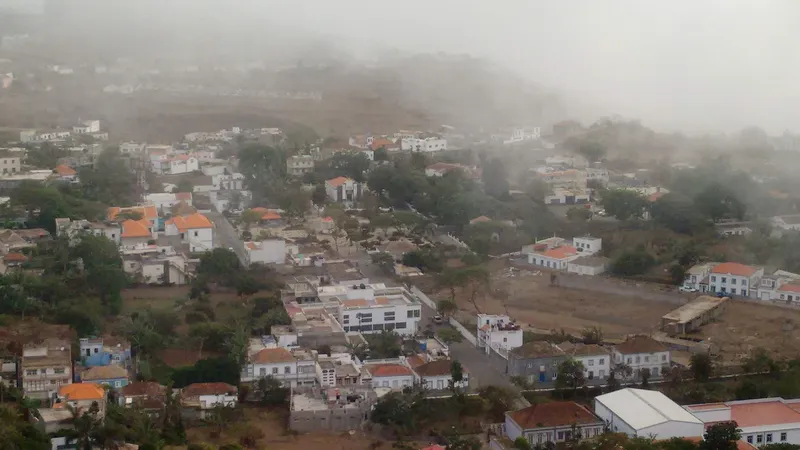
Brava, Cape Verde's smallest island, watches its houses empty out in step with emigration
With just a few thousand inhabitants and a population that keeps shrinking, Nova Sintra has a property market that is nearly frozen, kept alive solely by diasp…
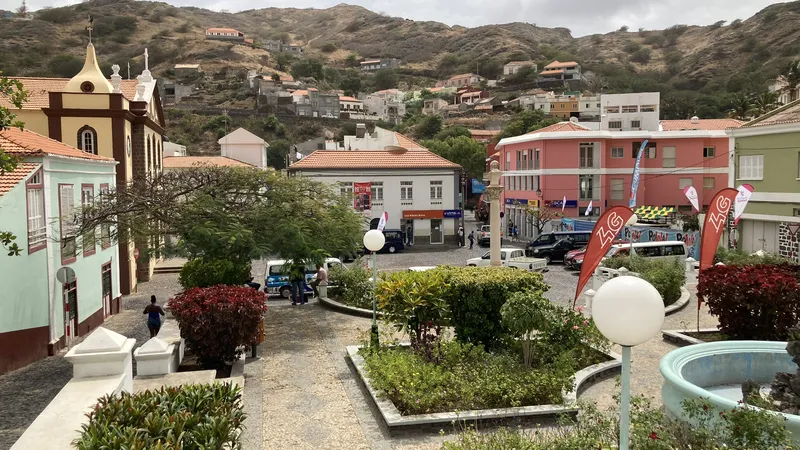
Ribeira Brava holds steady prices as emigration sets the market's pace
In São Nicolau, remittances from the diaspora sustain the building of family homes, but a lack of local buyers leaves a housing stock with many houses shut for…
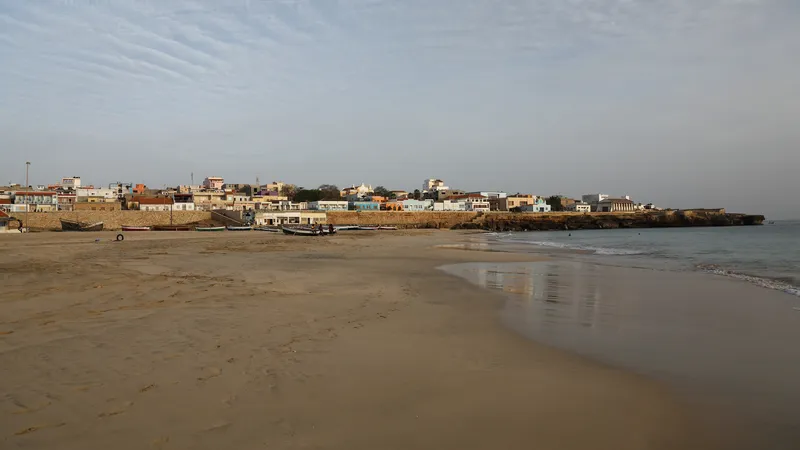
Maio, the island where buying a home is still nearly impossible for lack of supply
With the least developed property market in all of Cape Verde, Vila do Maio records barely any sales, while emigration leaves homes standing empty, neither sol…
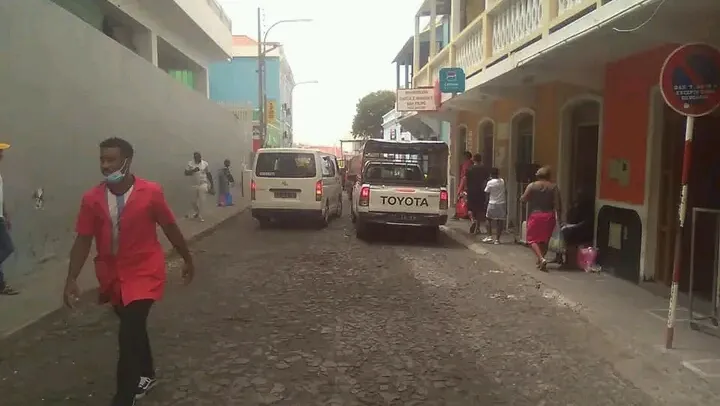
Volcanic risk is already shaping house prices in São Filipe
At the foot of the Pico do Fogo volcano, memories of the last eruption continue to weigh on the value of homes near the caldera, while São Filipe's town centre…