Fragmented land ownership is slowing rural home sales on Santo Antão
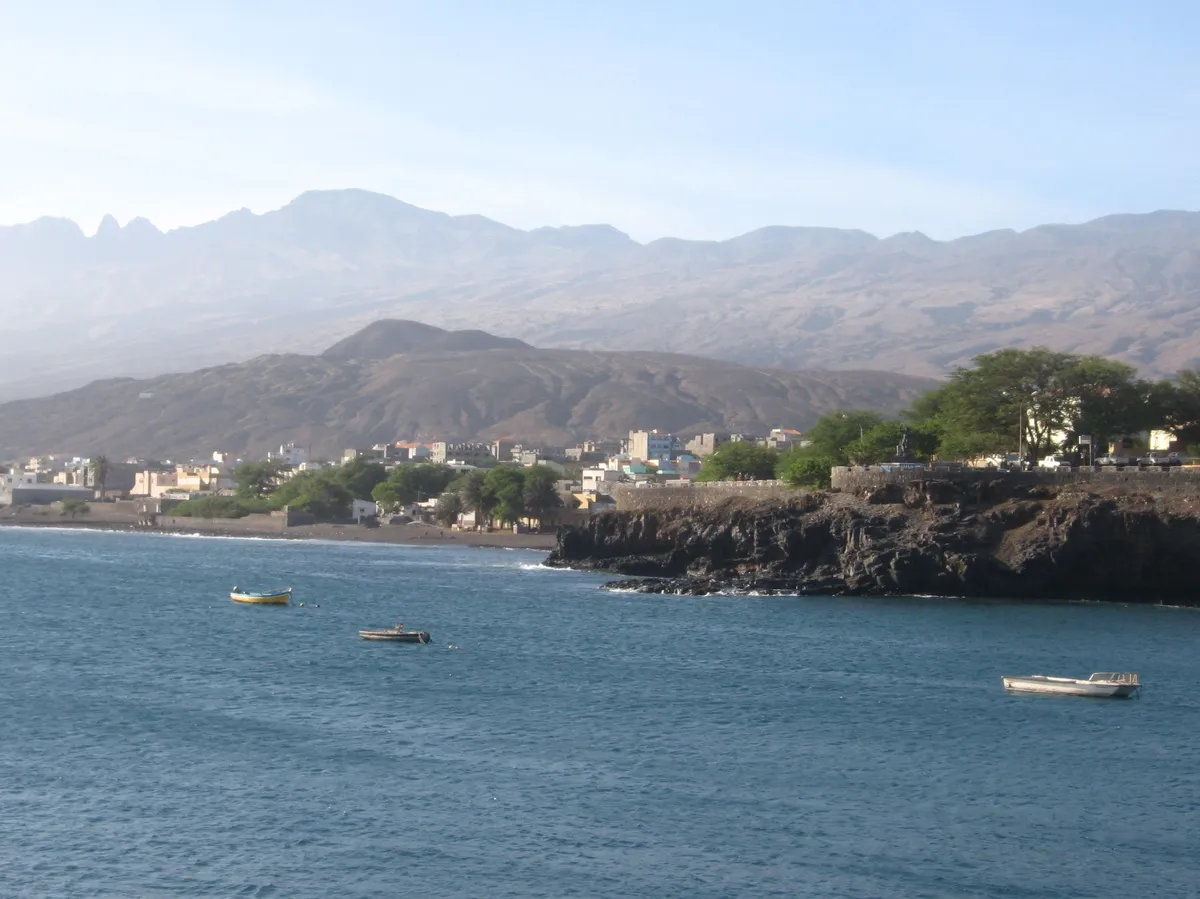
On Santo Antão, Cape Verde's most agricultural and mountainous island, the property market works on a very different logic from the tourist islands in the east of the archipelago. Here, land has traditionally been tied to farming — coffee, sugarcane, fruit trees in the valleys of Ribeira Grande and Paúl — and many plots have been divided among heirs for generations without there always being a registered title deed, as local notaries and agencies acknowledge.
Growing interest, scarce supply
In recent years, interest from foreign buyers, mainly Europeans, has grown in traditional houses in towns such as Ribeira Grande, Paúl or around Porto Novo, drawn by the hiking landscape and a pace of life far removed from mass tourism. According to estate agencies operating on the island, a traditional stone house with farmland can cost between 2 and 6 million CVE (roughly 18,000 to 54,000 euros), noticeably lower prices than on Sal or in Mindelo, but deals take months or even years to close due to the lack of clear documentation on ownership.
The structural obstacle: undivided inheritance
Property sector sources point out that many rural properties on Santo Antão are held in undivided joint ownership among heirs, many of them emigrants with no regular contact with the island, which requires processes of locating them and obtaining consent that can indefinitely stall a sale. This problem, common across several rural areas of Cape Verde, is compounded here by the historical weight of emigration to the United States and Europe since the middle of the last century.
Emigration and depopulation of the high valleys
While buyer interest grows along the coast and in the towns of Porto Novo and Ribeira Grande, the interior farming valleys — such as parts of Cova de Paúl — continue to lose young people, who emigrate to Praia, Mindelo or abroad in search of work outside the primary sector. This leaves a growing number of family homes empty or under-used, some of which end up being rented informally to hiking tourists through digital platforms, according to INE Cape Verde data on the sector.
A land registry reform still pending
Santo Antão's municipal authorities have publicly acknowledged the need to advance a more complete land registry that would speed up transactions and reduce disputes between heirs, in line with a process the central Government has been pushing nationwide. Property sector sources are hopeful that this modernisation, if completed, will unlock a market with tourism and agricultural potential that today remains hampered by legal uncertainty over land ownership.
More in News
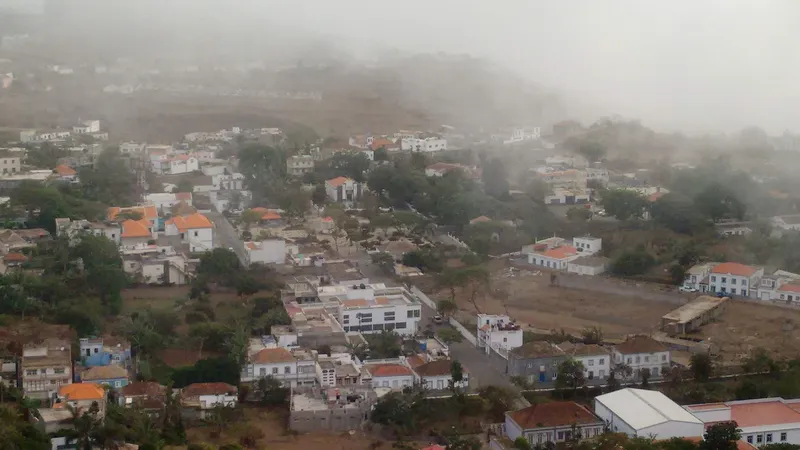
Brava, Cape Verde's smallest island, watches its houses empty out in step with emigration
With just a few thousand inhabitants and a population that keeps shrinking, Nova Sintra has a property market that is nearly frozen, kept alive solely by diasp…
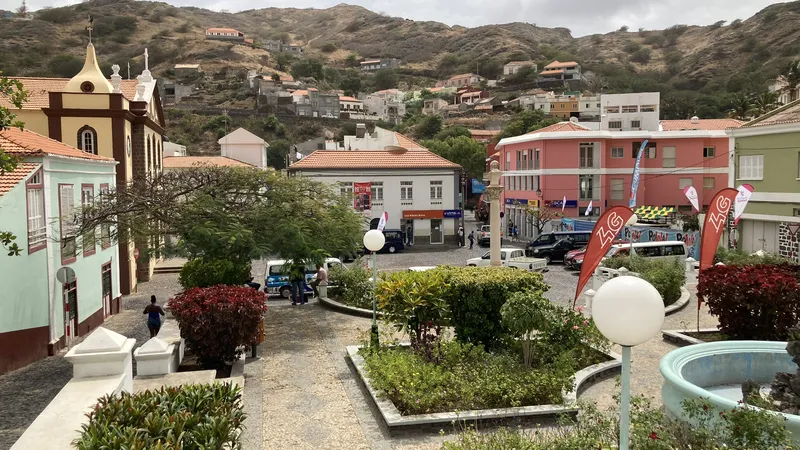
Ribeira Brava holds steady prices as emigration sets the market's pace
In São Nicolau, remittances from the diaspora sustain the building of family homes, but a lack of local buyers leaves a housing stock with many houses shut for…
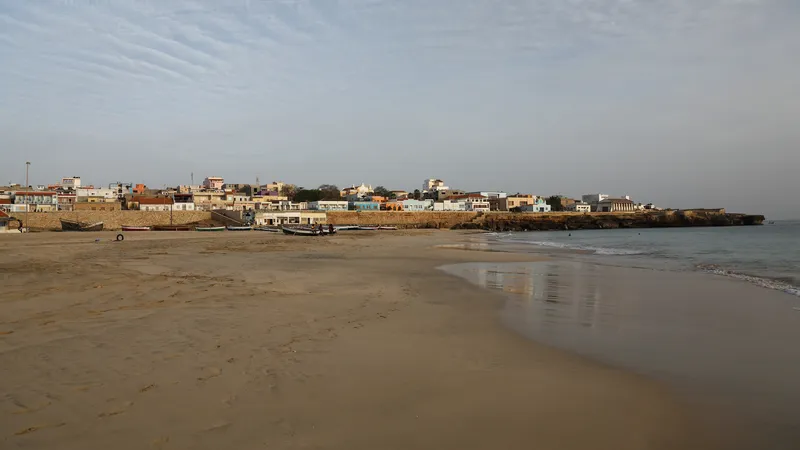
Maio, the island where buying a home is still nearly impossible for lack of supply
With the least developed property market in all of Cape Verde, Vila do Maio records barely any sales, while emigration leaves homes standing empty, neither sol…

Volcanic risk is already shaping house prices in São Filipe
At the foot of the Pico do Fogo volcano, memories of the last eruption continue to weigh on the value of homes near the caldera, while São Filipe's town centre…