Housing in Cape Verde in 2026: subsidised mortgages, a state guarantee for young buyers and 1,000 more social homes
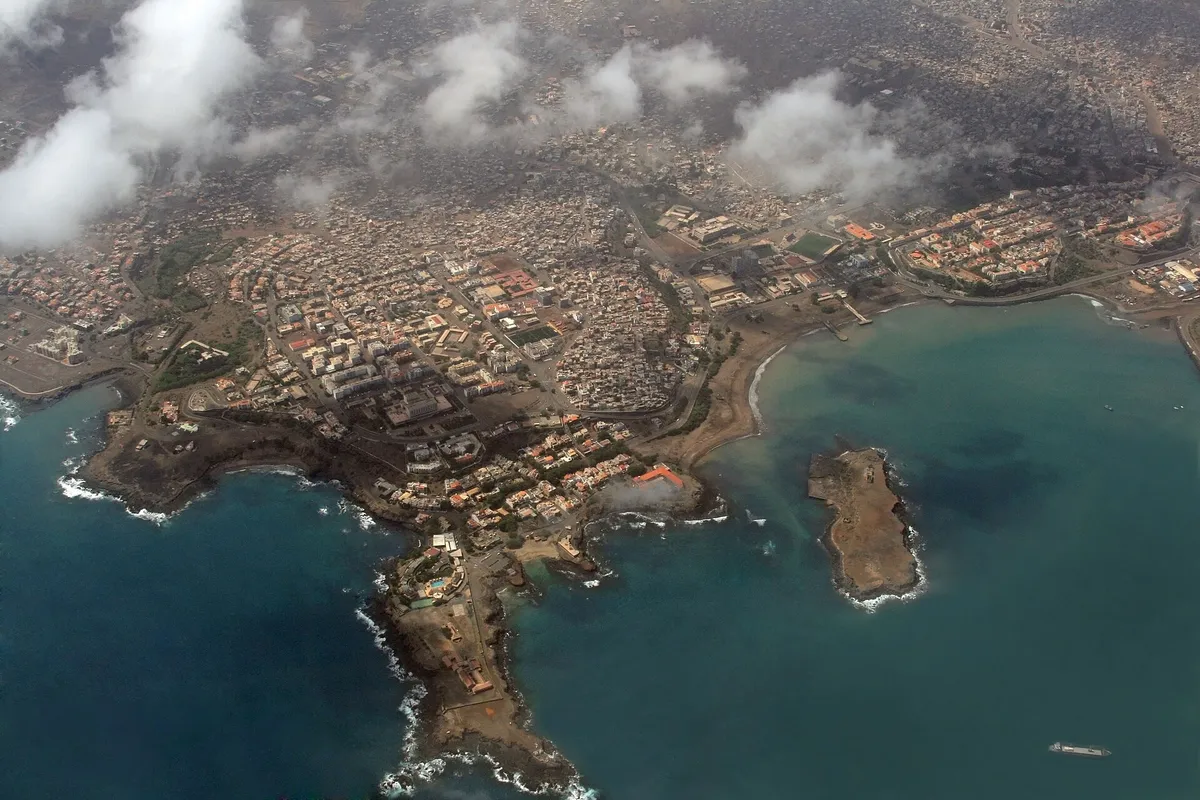
In Cape Verde, getting a home is above all a problem of money and credit. Wages are low compared with the cost of building, banks ask for a deposit that few young people have saved, and a significant share of families live in unfinished homes or homes in poor condition. The government has declared housing a priority area of its 2026 budget and has approved several measures this year. According to the government's own figures and the two decree-laws published in January and May, the plan works on three fronts.
Cheaper mortgages
The first element is subsidised credit. The state pays part of the interest on the loan to buy or build a main home, so the monthly payment goes down. The help is greater for young people, for whom the state can cover slightly more than half of the interest, and around half under the general scheme. In a country where credit is expensive, that difference can decide whether a family can afford the payment.
In addition, the maximum loan value eligible for these conditions has been raised to 10 million escudos, which is around 90,000 euros. Under the previous limit many homes in the cities, where prices have risen most, were left out.
The state guarantees part of the deposit
The second element tackles the most common obstacle: the deposit. Banks do not finance the whole home, and raising the remainder is precisely what holds back people who are starting their working lives. For young people, the state now offers a public guarantee of up to 15% of the loan. This is not money handed to the buyer but a guarantee: if the state answers for that part, the bank can lend more and require less prior saving. During 2026, agreements have been signed with financial institutions to put it into practice.
There is also an improvement in income tax: the limit on what can be deducted for rent and for home financing has been raised, which gives some relief both to tenants and to those paying a mortgage.
Incentives to build at controlled prices
The third element looks at supply. The new programme for access to housing at controlled costs is designed for young people and for hospitality workers, and also for the developers who build for them. The detail matters. On islands such as Sal and Boa Vista, tourism has created thousands of jobs, but those who work in the hotels often cannot find anywhere to live near their workplace.
In return for selling or renting at limited prices, developers receive a package of advantages: tax credit, exemption from the taxes on property ownership and property transfers and from stamp duty, lower import duties on materials, and exemption from notary and registry costs. In an archipelago that imports almost everything it uses for building, making materials cheaper is probably the measure with the greatest effect on the final price.
A thousand more social homes
Public housing depends on the state housing company, which works with the country's 22 municipalities. The target for 2026 is to add around a thousand more social homes, financed with public money and bank credit. They would come on top of the roughly 1,700 to 1,800 already built, under construction or out to tender.
The scale of the problem
The figure needs to be put in context. The government itself estimates that the country is short of more than 14,000 homes and that more than 50,000 need renovation. A thousand homes a year is a real step, but at that pace the shortfall would take more than a decade to close, and that is without counting the new households formed every year. That is why the weight of the plan does not lie in what the state builds. It lies in getting banks to lend and private developers to build at affordable prices.
Two unknowns remain. The first is whether the banks will apply the new conditions quickly, because the guarantee and the interest subsidy only work if the credit really reaches young people. The second is renovation: most of the problem is not the homes that are missing but the existing ones in poor condition, and there the measures announced are less specific.
The conditions of each form of aid, the requirements and the participating banks are published on the official channels of the Government of Cape Verde and its public housing company.
More in News
Housing in Madeira in 2026: reduced rents, year-round aid to rent or buy and more public homes
The regional government keeps housing as a priority: it is updating public housing at reduced rents, keeping aid for renting or buying open all year round and …
Grants to build a home in the Azores in 2026: up to €75,000 and 144 public plots
The Azores regional government is raising its support for people who build their own home, helping to pay for the architect's plans and putting serviced plots …
Canary Islands act on housing: rent aid for young people, a new plan and new rules
The Canary Islands are rolling out rent aid for young people, a five-year housing plan, a public scheme to bring empty flats onto the market and new rules for …
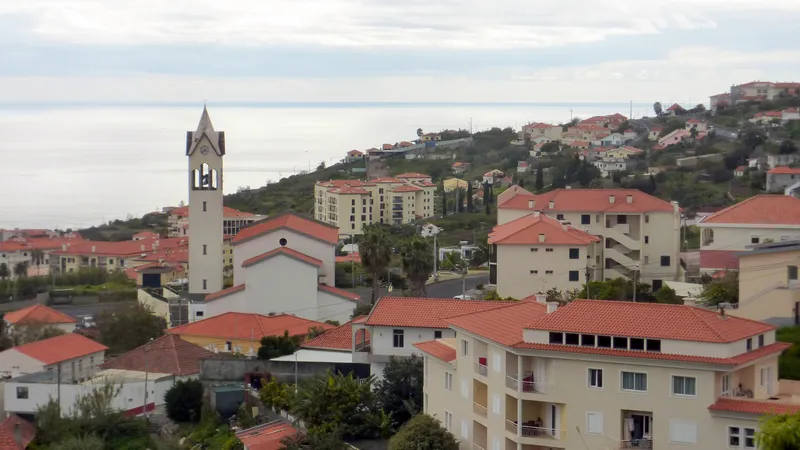
Madeira approves 718 new homes in first half of 2026 but completions fall
New-build licences in Madeira rose 27.5% in the first half of 2026 while finished homes fell. More projects are in the pipeline, but the extra supply will take…