Canary Islands act on housing: rent aid for young people, a new plan and new rules
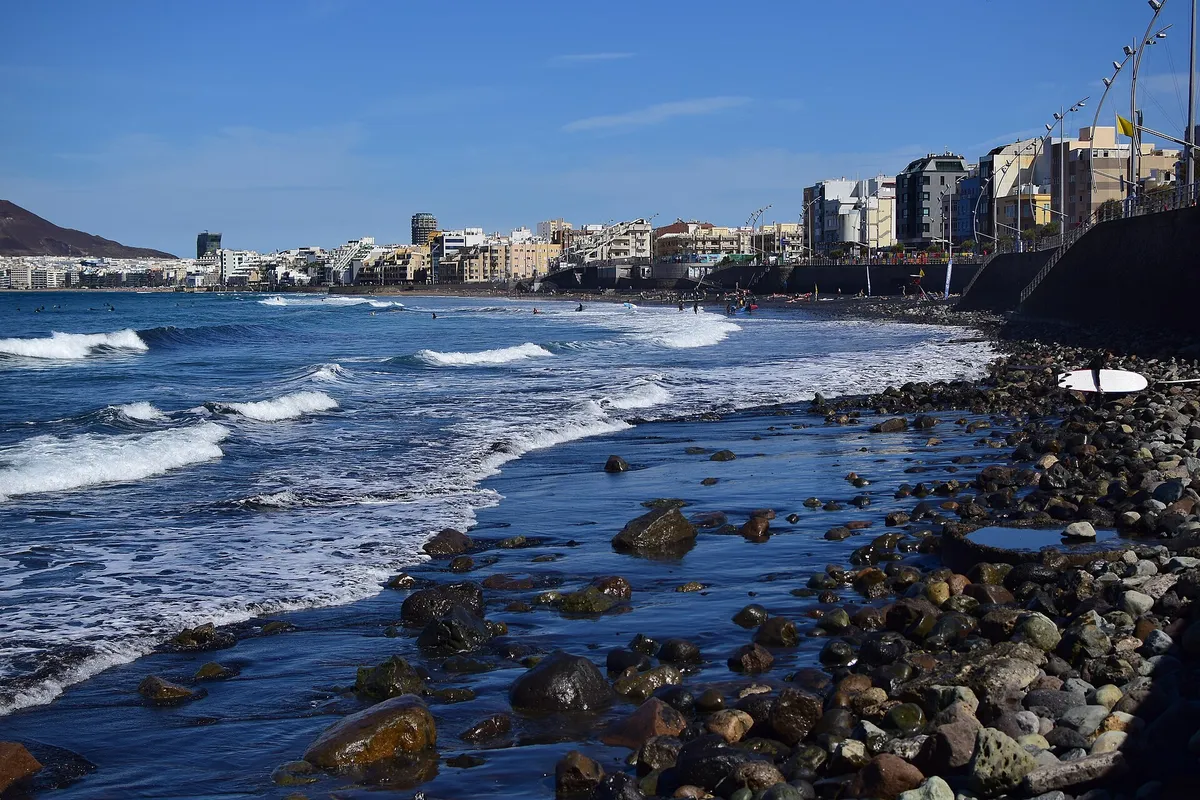
Finding a home is now one of the biggest worries for families in the Canary Islands, and above all for young people. Prices are rising faster than wages and in many areas there is hardly anything to rent. In response, the islands' authorities have launched a set of measures during 2026 that work on three fronts: helping people pay, bringing more homes onto the market and changing the rules so that homes are built and allocated more sensibly.
Direct help for young renters
The most immediate measure is the new Youth Rent Voucher (Bono Alquiler Joven). It is aimed at people aged 18 to 35 and can reach 250 euros a month for two years. Applications are already open and close on 8 October. The process is done online, through the Canary Islands Government's electronic office.
For a young person who spends more than half their salary on rent, the aid can decide whether they move out or stay in the family home. Island councils such as Tenerife's have added their own funds, and Lanzarote and La Graciosa have carried over money left unspent last year, so the aid should reach more applicants than in previous rounds. It is wise not to wait until the last day, because these schemes usually attract far more applications than there are places.
A five-year plan to get more homes built
The underlying problem cannot be solved with aid alone: there are not enough homes. That is why the Canary Islands Housing Plan 2026-2030 is being drawn up together with the island councils. It has three priorities: more subsidised housing, putting empty homes back into use and setting land aside for affordable housing.
The plan also backs industrialised construction, which means manufacturing parts of a building in a workshop and assembling them on site. This shortens build times considerably, and that matters even more on islands where construction is slow and expensive.
Landlords with guaranteed rent
Another measure is the Active Affordable Housing Pool, run by the public housing company. The Government acts as intermediary between the owner of an empty flat and the tenant, and guarantees the owner that the rent will be paid. Many flats stay locked up because owners fear non-payment or trouble with tenants. If the administration takes on that risk, some of those homes could come onto the rental market at reasonable prices.
New rules: points instead of a lottery
The way subsidised housing is allocated is changing too. A new register of applicants replaces the lottery with a points system that weighs real need, ties to the municipality and household composition. In practice, priority will go to those who need it most, not to those who get lucky.
At the same time, the regional parliament is debating a reform of the Housing Act that creates a category of "incentivised affordable homes" and sets the procedure for declaring stressed rental market areas, which each town council will initiate and the regional Government will decide. Added to this are the rules passed over the last two years to speed up licences and planning. The aim of the whole package is for building to stop being a bureaucratic obstacle course.
What is still under debate
Some matters remain undecided. The political debate continues over whether to limit home purchases by non-residents in the most stressed areas. The opposition has also tabled a bill calling for stable housing funding, a more ambitious target for the subsidised housing stock and a tax on large property owners. For now it is only a proposal and is not in force.
The Youth Rent Voucher in figures
The call for applications was published in the Official Gazette of the Canary Islands on 17 September 2026 (BOC no. 187), by resolution of the Canary Islands Housing Institute. These are the essential points:
- Deadline: from 18 September to 8 October 2026, fifteen working days.
- Amount: 250 euros a month for a maximum of 24 months, that is, up to 6,000 euros per person.
- Who can apply: young people aged 18 to 35, both inclusive, at the time of applying. They must hold a rental or transfer-of-use contract for a home or a room in the Canary Islands.
- Income: income for 2025 may not exceed three times the IPREM, the Spanish public income index used as a reference for aid. The limit rises to four or five times in situations such as large families or disability.
- Maximum rent: 900 euros a month for a whole home or 450 for a room, as a general ceiling. The information released by the Government also mentions lower limits depending on the area.
- How it is awarded: applicants do not compete with each other. The aid is granted to those who meet the requirements for as long as there is budget.
- Budget: close to 12.9 million euros. Most of it comes from the Spanish Ministry of Housing and the rest from the island councils. Tenerife contributes 1.9 million spread over 2026 and 2027, and Lanzarote and La Graciosa add 378,000 euros left unspent in 2025.
- Reply: the administration has six months to decide. If it gives no notification within that period, the application is deemed rejected. Awards are expected to be decided before 31 December 2026.
- Where to apply: at the Canary Islands Government's electronic office, procedure 7410 (in Spanish).
More in News
Housing in Madeira in 2026: reduced rents, year-round aid to rent or buy and more public homes
The regional government keeps housing as a priority: it is updating public housing at reduced rents, keeping aid for renting or buying open all year round and …

Housing in Cape Verde in 2026: subsidised mortgages, a state guarantee for young buyers and 1,000 more social homes
The Cape Verdean government has made housing a priority of its 2026 budget: it is making mortgages cheaper, guaranteeing part of the deposit for young buyers a…
Grants to build a home in the Azores in 2026: up to €75,000 and 144 public plots
The Azores regional government is raising its support for people who build their own home, helping to pay for the architect's plans and putting serviced plots …
Madeira approves 718 new homes in first half of 2026 but completions fall
New-build licences in Madeira rose 27.5% in the first half of 2026 while finished homes fell. More projects are in the pipeline, but the extra supply will take…