Housing in Madeira in 2026: reduced rents, year-round aid to rent or buy and more public homes
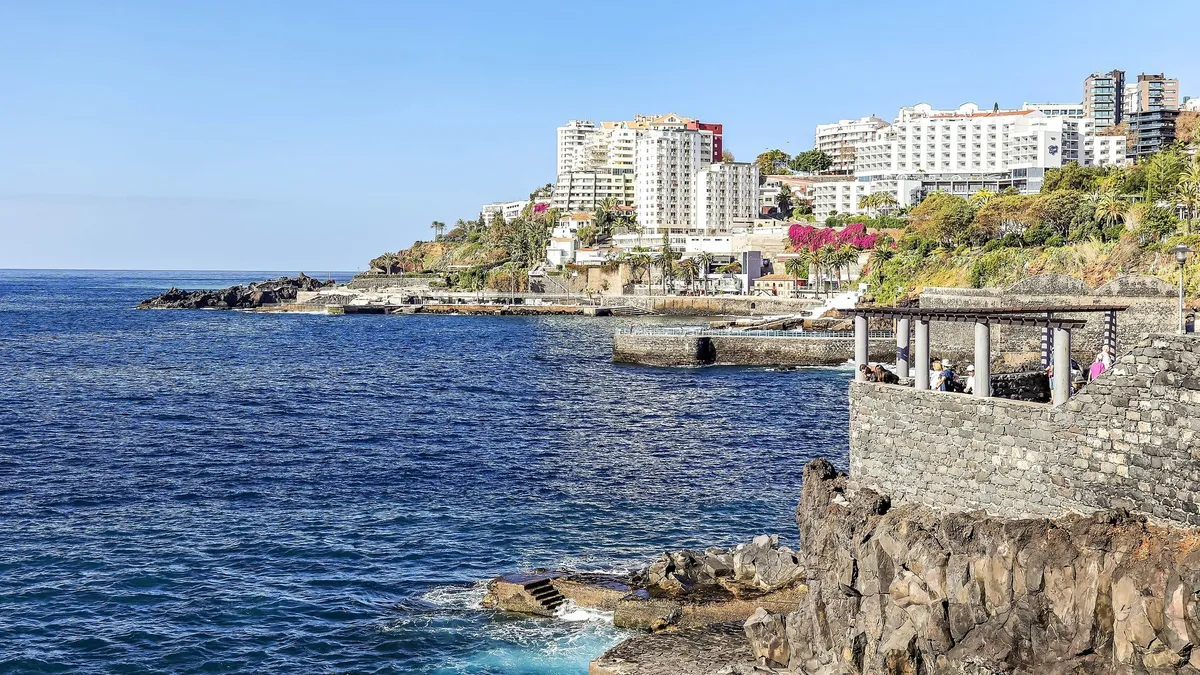
Madeira lives with a paradox familiar in tourist archipelagos: the island attracts buyers from abroad and prices rise, while local wages lag behind. In Funchal, finding an affordable rental is now one of the main problems for young families. The regional government insists that housing is one of its priorities and, according to the figures it has made public, will allocate around 81 million euros this year to the department responsible. The policy is carried out mainly through the region's public housing company, which already manages more than 4,000 social rental homes.
The measures fall into three groups: helping people pay, maintaining what already exists and obtaining more homes.
Public housing at reduced rents
The first tool is the reduced-rent programme: publicly owned homes let below market price to families who cannot afford a normal rent but are not in a situation of social emergency either. The rules were updated in January through a regional government order. It is a route designed for that growing middle band of people with stable jobs who still cannot make ends meet.
Aid to rent or buy, open all year
The second tool is the regional programme of direct support for families, which this year has close to three million euros. Most of it goes towards helping to pay rent and the rest towards making it easier to buy a first home.
The most practical change in 2026 is that applications can be submitted throughout the year. Until now people had to wait for the application window to open, and anyone who found a flat outside those dates was left without the option. The limits have also been updated. Support for buying can be between 15,000 and 20,000 euros, and the maximum rent that is subsidised now depends on household size, which is reasonable because a single person does not need the same as a family with children.
Sustaining the social rental stock that already exists
There is a less visible but important aspect. Social rents are very low and do not cover what it costs to maintain the buildings. To prevent that gap from ending in neglect, the government has signed an agreement with its housing company for 2026 and 2027 that makes up the shortfall. It does not create new homes, but it keeps the existing ones from deteriorating, a common problem in the public stock of many regions.
More public homes by 2030
To expand the stock, a regional order reorganises the use of up to around 125 million euros between 2025 and 2030. The money can go to new construction, to buying homes already built, to acquiring land and to an interesting formula: converting disused public buildings into housing. On an island with little flat, buildable land, making use of what is already built is usually quicker and cheaper than starting from scratch.
Land reserved in Funchal
The most specific measure affects the capital. The government has approved a precautionary reservation over some 29,000 square metres in the Amparo area, in the parish of São Martinho, one of the most populated and sought-after in Funchal. The area is roughly the size of four football pitches. For two years, extendable by one more, the reservation prevents that land from being put to other uses and keeps it for public housing at controlled costs. It is not yet a development, but it is the prior step: securing the land before the market makes it more expensive or takes it.
What the figures say
The government speaks of an average of around 250 homes delivered per year. It is a steady pace, but a modest one compared with demand in a region where prices have not stopped rising. Direct aid brings relief to those who receive it, although its budget is limited and does not reach everyone who meets the requirements.
The overall reading is that Madeira is betting on a combination of public rental stock and financial support for families, rather than on large developments. The outcome will depend on two things: whether the money planned up to 2030 is really spent, and whether the land reserved in Funchal turns into building work within the period of the reservation.
The conditions of each programme, the requirements and the forms are published on the official channels of the Regional Government of Madeira and its public housing company.
More in News
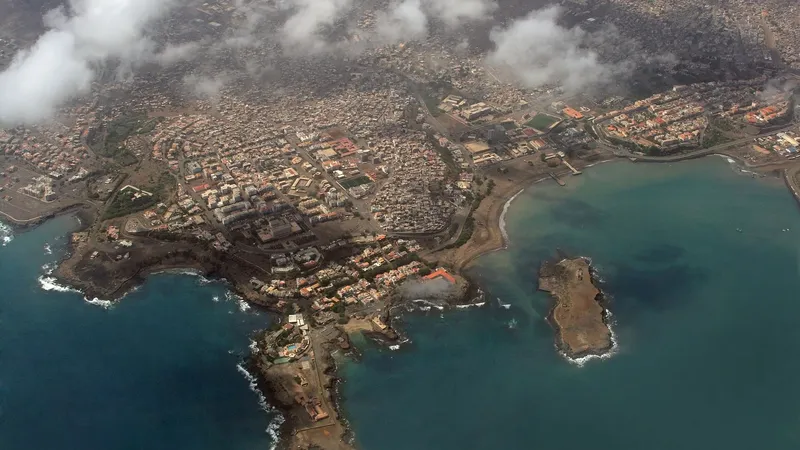
Housing in Cape Verde in 2026: subsidised mortgages, a state guarantee for young buyers and 1,000 more social homes
The Cape Verdean government has made housing a priority of its 2026 budget: it is making mortgages cheaper, guaranteeing part of the deposit for young buyers a…
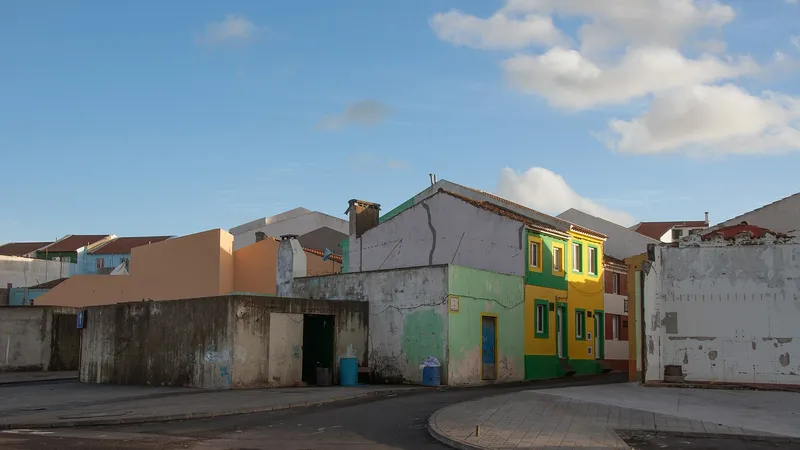
Grants to build a home in the Azores in 2026: up to €75,000 and 144 public plots
The Azores regional government is raising its support for people who build their own home, helping to pay for the architect's plans and putting serviced plots …
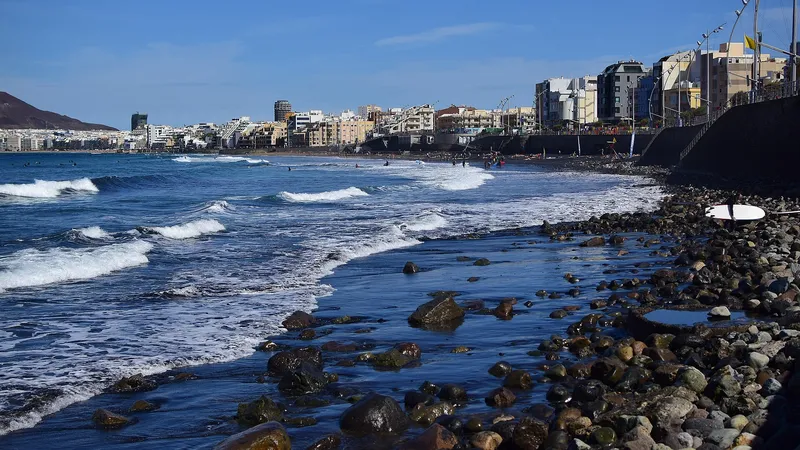
Canary Islands act on housing: rent aid for young people, a new plan and new rules
The Canary Islands are rolling out rent aid for young people, a five-year housing plan, a public scheme to bring empty flats onto the market and new rules for …
Madeira approves 718 new homes in first half of 2026 but completions fall
New-build licences in Madeira rose 27.5% in the first half of 2026 while finished homes fell. More projects are in the pipeline, but the extra supply will take…