Canary Islands holiday rental law: 15% fewer homes, 95.5% occupancy
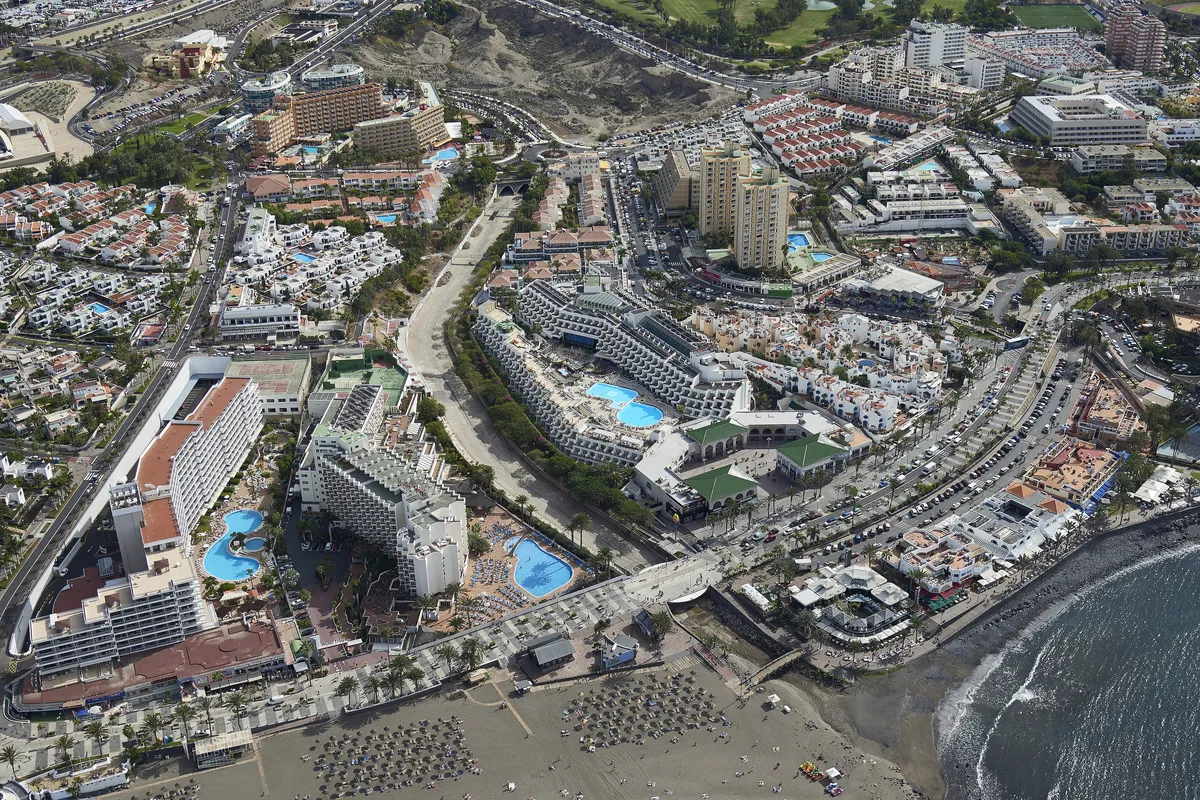
Seven months after the Canary Islands' holiday rental law came into force, the short-let market has shrunk. The archipelago now has 39,678 registered holiday homes, 6,957 fewer than before the law, a fall of 15%. Yet demand has not eased. According to ISTAC, the Canary Islands government's statistics office, 95.5% of the homes on offer received bookings in July 2026.
What the new law requires
The law took effect in December 2025. A holiday home, in this context, is a house or flat let by the night to tourists. It sets a cap: only 10% of the homes in each municipality may be used this way, rising to 20% on El Hierro, La Gomera and La Palma. Newly built homes cannot be let to tourists until they are ten years old. There are technical conditions too: a minimum floor area of 35 square metres, energy-efficiency standards, insurance and compulsory registration. Owners who were already operating have five years to adapt or to consolidate their activity with the local council.
Less supply, the same demand
The drop in registrations has a simple explanation. Some owners have stopped and others did not meet the requirements. But tourists keep coming. With fewer homes to go round, each one fills up faster. It is what happens to a hotel when the one next door closes: occupancy rises even though there are no more visitors. Hence July's 95.5%, which in practice means full.
What it means for each side
For the owner who lets to tourists, the law brings more paperwork but also less competition. Anyone fully compliant can expect more bookings and firmer nightly rates. Anyone who is not must decide soon: adapt, switch to long-term letting or sell.
For people looking for a long-term rental, the news is moderately good. Close to 7,000 homes have left the tourist circuit, although not all of them return to the residential market. The effect will be felt neighbourhood by neighbourhood, above all on Tenerife, home to four in ten holiday lets.
For the neighbour, it means fewer suitcases in the hallway and more stability on the stairwell, provided councils carry out the inspections the law assigns to them.
What to expect
The likely path is a further gradual decline in numbers while occupancy stays high. Worth watching: how each council applies the 10% cap and whether long-term rents ease in the most touristic areas. Owners should review their position before the adaptation period runs out; tenants should compare prices where tourist supply has shrunk the most.
More in News
Madeira approves 718 new homes in first half of 2026 but completions fall
New-build licences in Madeira rose 27.5% in the first half of 2026 while finished homes fell. More projects are in the pipeline, but the extra supply will take…

Azores PS proposes accommodation supplement for displaced students
The Azorean Socialist Party proposes a monthly housing supplement for students who must leave their island, from 2027/28. What it would mean for families and w…
Cape Verde hotel boom pushes up property prices in Sal and Boa Vista
Cape Verde's hotels welcomed 277,000 guests between April and June, 9% more than a year earlier, led by Sal and Boa Vista. The boom is lifting prices and deepe…
Buying a home in Adeje or Guía de Isora takes almost 25 years of income
Buying in Adeje or Guía de Isora takes around 24.5 years of household income, while Arona and Granadilla rank among Spain's lowest-earning municipalities. Sout…