Brussels finds housing stress in 26 of 30 large Canary Islands towns
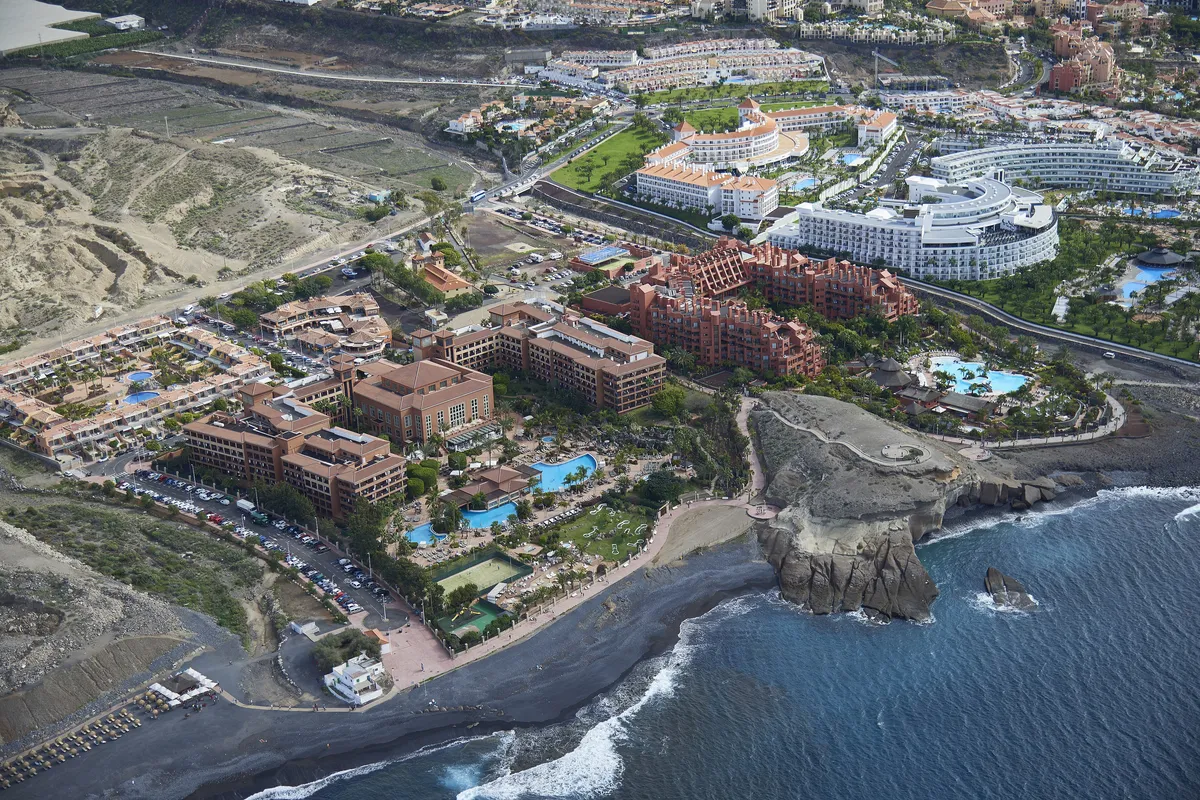
An analysis by the European Commission released on 9 September 2026 confirms what many families in the Canary Islands feel every month. In 26 of the 30 most populated municipalities in the islands, buying a home demands the kind of effort that defines a stressed residential market area. The extreme case is Adeje, in southern Tenerife, where a family would need 24.5 years of its entire income to pay for a home.
What a stressed market area is
It is a place where housing costs so much that the law allows authorities to step in. In Spain, one of two tests is enough: the mortgage or rent, plus basic utilities, eats up more than 30% of an average household's income, or prices have risen over five years at least three points above the CPI, the index that measures the cost of living. The European analysis uses a more direct yardstick: how many years of gross income a home costs. Eight already signals stress; ten or more is taken as proof.
Why Adeje ranks so high
Across Spain as a whole, buying an average home takes around eight years of gross salary. In Adeje it is 24.5, three times as much. The municipality lives from tourism, and its residents compete in the same market as buyers looking for a second home or a holiday let, meaning a property rented to tourists by the night. That demand has far deeper pockets than a hotel worker and pushes prices up while local wages barely move. Homes are priced internationally and paid for with Canarian salaries. Only Ingenio, Agüimes, Arrecife and Arucas stay off the list: towns with more residential or industrial weight, where prices still bear some relation to what residents earn.
What a declaration would change
In the Canary Islands the decision rests with the regional government, and Adeje has been waiting for an answer since April 2024. For tenants, it would mean a cap on increases in new contracts and in flats owned by large landlords, who in a stressed area are those with five or more homes rather than ten. For would-be buyers, prices will not fall overnight, but Canarian rules block new holiday-let licences in these areas, which slows the conversion of flats into tourist accommodation. For the town hall, it is the key to demanding social housing and acting on empty properties. Watch whether the Canary Islands Government rules on the pending requests before the end of the year, and whether the Brussels report moves from diagnosis to action.
More in News
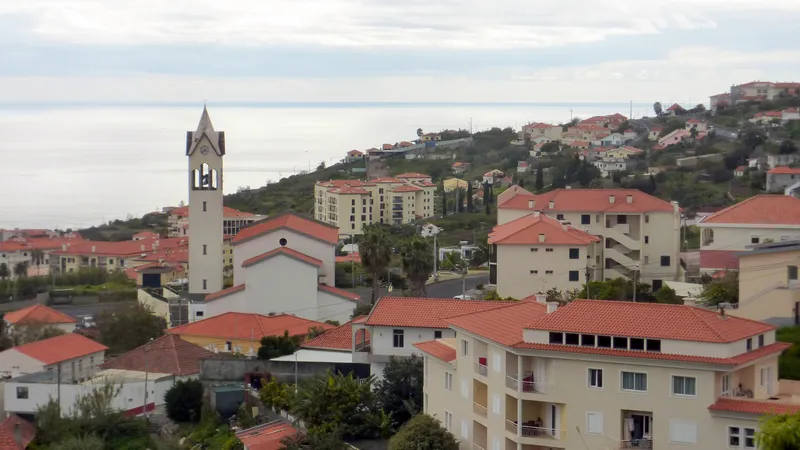
Madeira approves 718 new homes in first half of 2026 but completions fall
New-build licences in Madeira rose 27.5% in the first half of 2026 while finished homes fell. More projects are in the pipeline, but the extra supply will take…
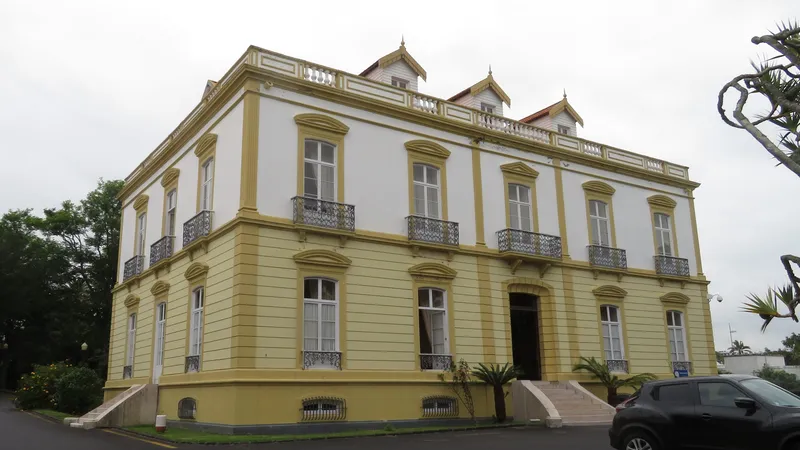
Azores PS proposes accommodation supplement for displaced students
The Azorean Socialist Party proposes a monthly housing supplement for students who must leave their island, from 2027/28. What it would mean for families and w…
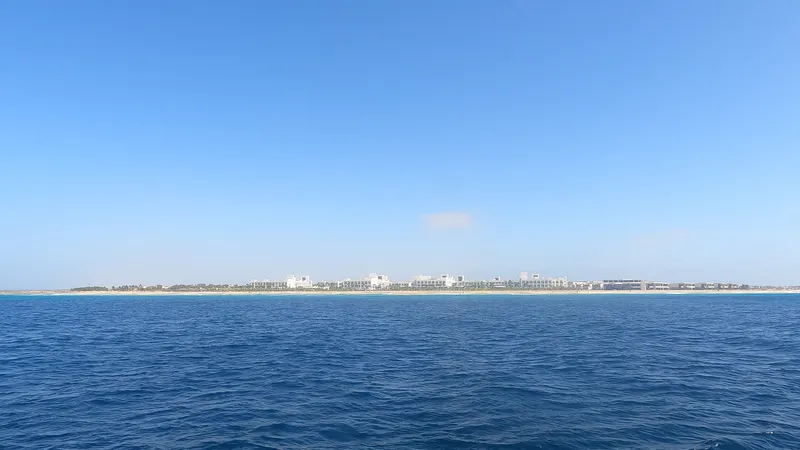
Cape Verde hotel boom pushes up property prices in Sal and Boa Vista
Cape Verde's hotels welcomed 277,000 guests between April and June, 9% more than a year earlier, led by Sal and Boa Vista. The boom is lifting prices and deepe…
Buying a home in Adeje or Guía de Isora takes almost 25 years of income
Buying in Adeje or Guía de Isora takes around 24.5 years of household income, while Arona and Granadilla rank among Spain's lowest-earning municipalities. Sout…