The boom in old barns and hay stores on rural land drives up prices in La Palma and strains the housing market
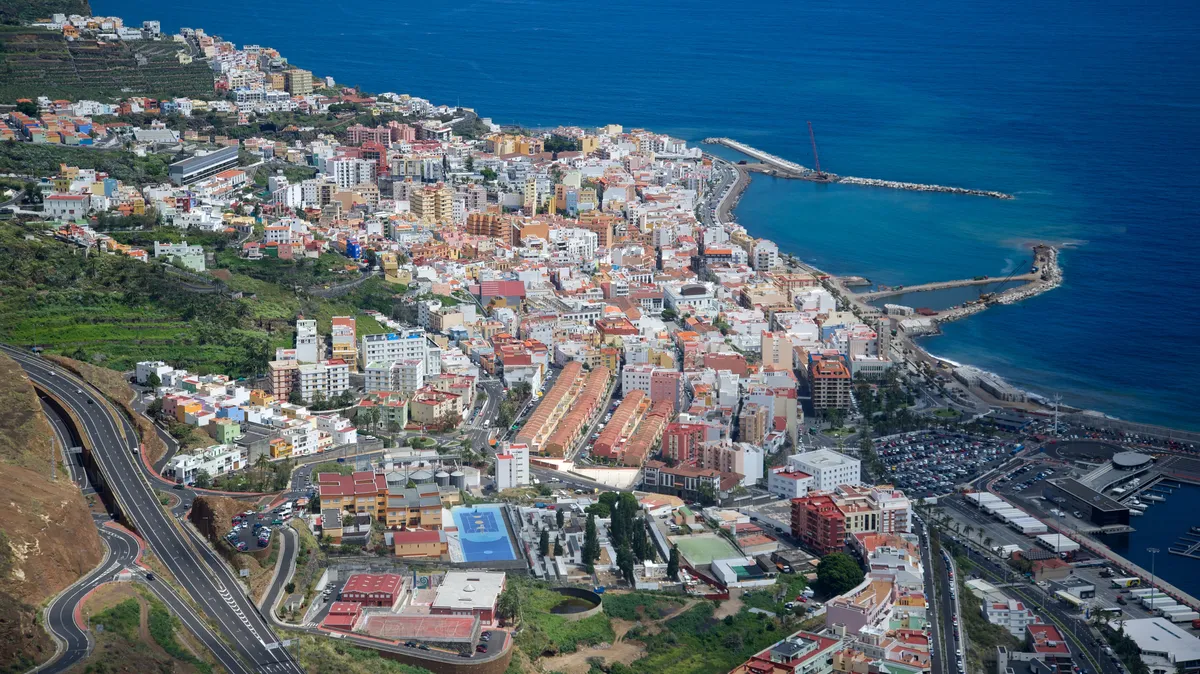
The old hay stores, stables, tool sheds and other small traditional buildings on rural land in La Palma are experiencing an unexpected boom. Buildings that for generations were used to keep livestock, fodder or tools now appear on property portals with sharply rising prices and descriptions that present them almost as homes, even though the land's planning classification severely restricts their use.
From stable to "home with potential"
The listings follow a recognisable pattern: they highlight the seclusion, the views, the size of the plot and the "possibility of refurbishment" or "great potential for renovation". They rarely mention that these are agricultural or livestock buildings that, in practice, lack the legal standing to be easily converted into a primary residence.
The result is that high prices are being reached for buildings that, by their nature and under the rules governing rural land, cannot be equated with a house. In some cases, these buildings have even ended up operating as holiday accommodation, a further twist in the repurposing of spaces that were never designed for tourists to stay in.
An already strained market
The phenomenon is unfolding against a backdrop of extreme housing pressure on the island. The Tajogaite eruption in 2021 destroyed more than 1,300 homes, and since then residential demand from those affected and from the local population has been competing with tourist use of the housing stock. In municipalities such as Los Llanos de Aridane, prices have soared in recent years.
Adding to this is the effect of the Green Islands Law (Ley de Islas Verdes), whose application has in certain cases allowed tourist projects to proliferate on rural land. That open door has raised the perceived value of any existing structure in the countryside, however modest or run-down, fuelling expectations that a hay store could be turned into a business or a home.
"It distorts the market"
Experts and residents warn that this practice distorts the market: it inflates the price of properties that, given their rural classification, face major restrictions on permanent residential use, and makes it even harder for those who live and work on the island to access affordable housing.
The paradox is plain to see. While high prices are being paid for old stables, La Palma's stock of empty homes stands at more than 12,000 units, many of them in rural areas in the north and deteriorating from lack of use and maintenance.
Expectations that do not match reality
Marketing these old livestock buildings as though they were residential properties does not solve the island's housing problem. On the contrary: it helps keep prices high and creates expectations that do not always match the planning and legal reality of La Palma's rural land. Anyone who buys a hay store thinking they will turn it into their home may find the permit never comes through, while the price they paid has already set a new benchmark for the next listing.
More in News
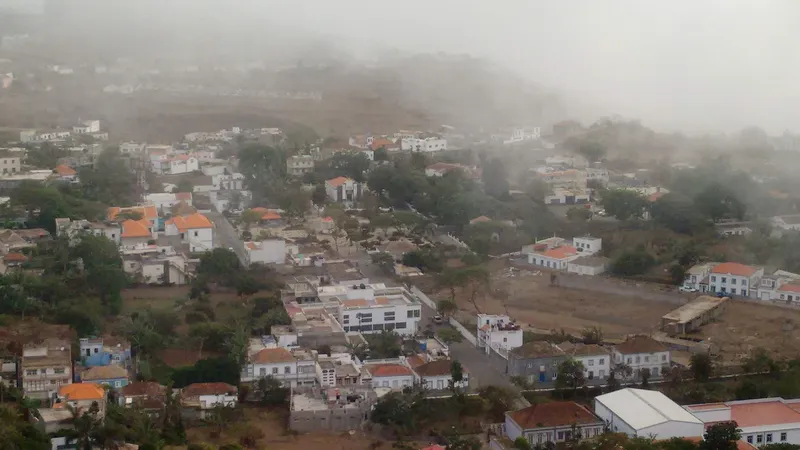
Brava, Cape Verde's smallest island, watches its houses empty out in step with emigration
With just a few thousand inhabitants and a population that keeps shrinking, Nova Sintra has a property market that is nearly frozen, kept alive solely by diasp…
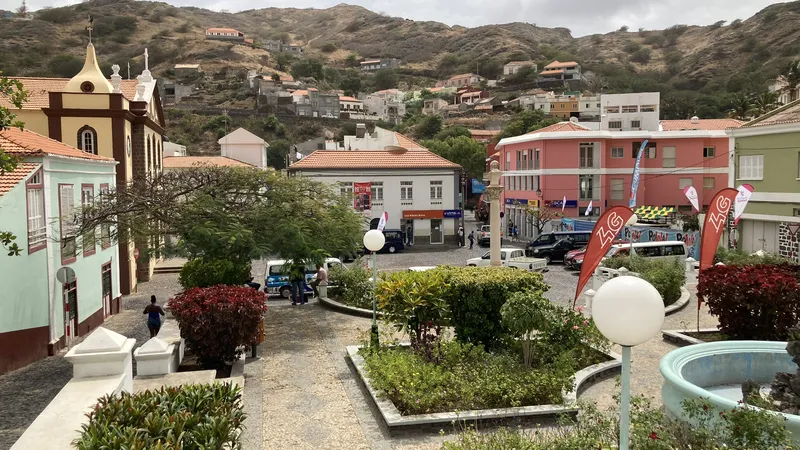
Ribeira Brava holds steady prices as emigration sets the market's pace
In São Nicolau, remittances from the diaspora sustain the building of family homes, but a lack of local buyers leaves a housing stock with many houses shut for…
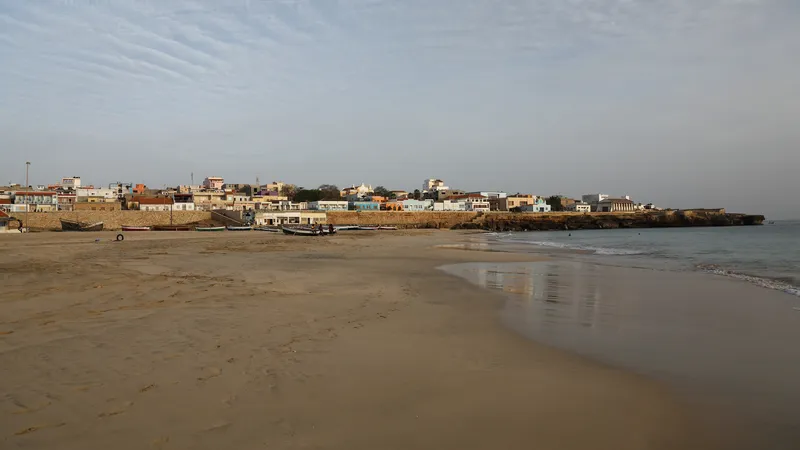
Maio, the island where buying a home is still nearly impossible for lack of supply
With the least developed property market in all of Cape Verde, Vila do Maio records barely any sales, while emigration leaves homes standing empty, neither sol…
Volcanic risk is already shaping house prices in São Filipe
At the foot of the Pico do Fogo volcano, memories of the last eruption continue to weigh on the value of homes near the caldera, while São Filipe's town centre…