Assomada, Santiago's second city, has a property market straddling the agricultural and the urban
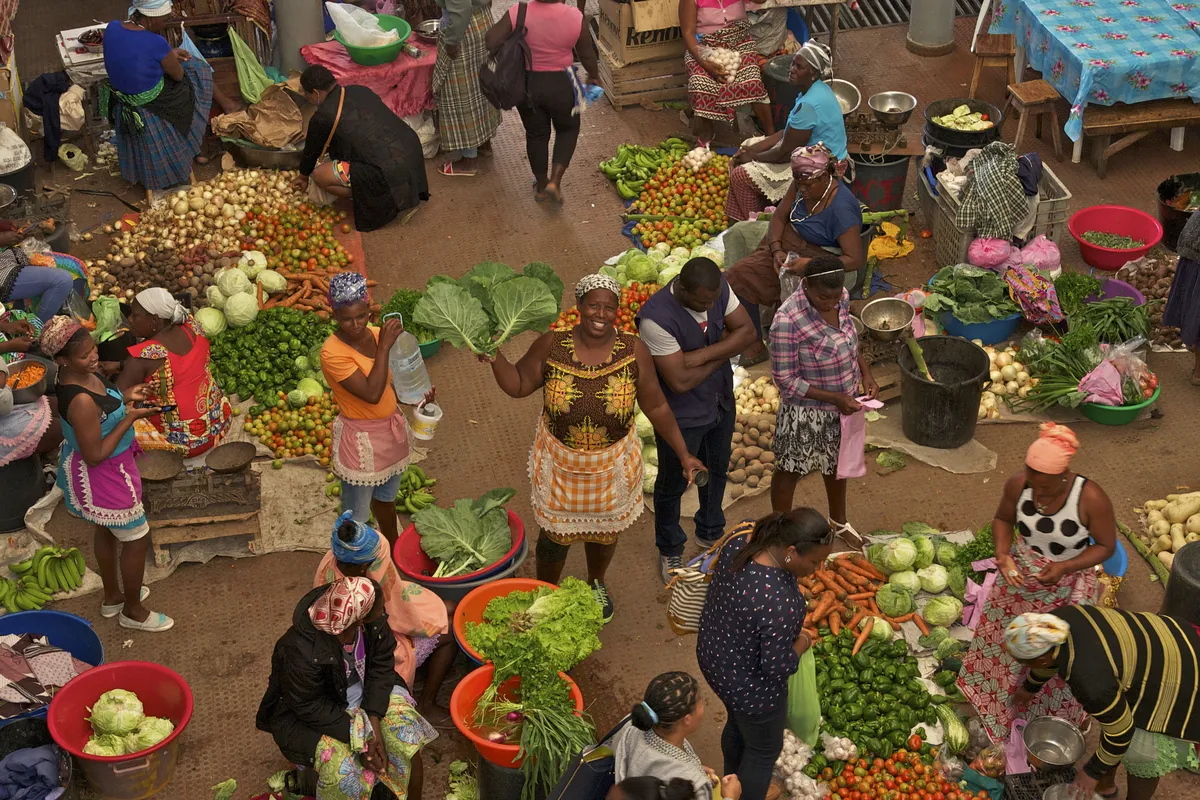
A market town with two property markets
A home with a commercial unit near the Mercado Municipal costs between 4-6 million CVE.
The weight of farmland
A hectare of farmland near Assomada costs between 2 and 4 million CVE.
Urban pressure on outlying plots
Farm plots in São Bento, Cutelo and Tarafalhinho are being converted into residential building land.
A more stable market than the capital's
Assomada attracts diaspora buyers and young families seeking an alternative to Praia.
Commercial activity sets the price of land
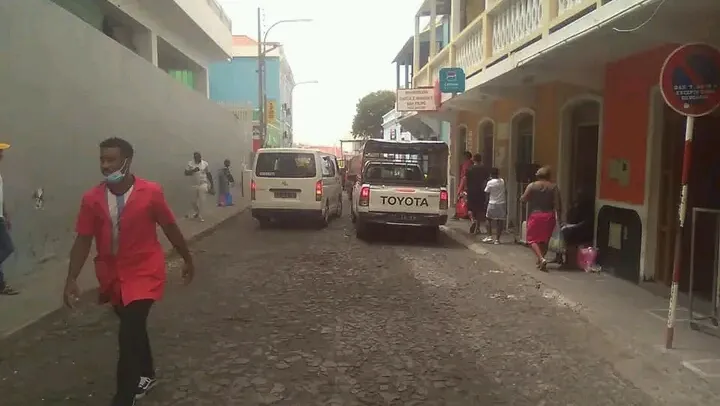
The area immediately surrounding Assomada's Mercado Municipal accounts for much of Santa Catarina's commercial activity, which explains why homes with an attached commercial unit hold firm prices. Established traders prefer to buy rather than rent, viewing the location as strategic for their business. This steady demand sets Assomada apart from other towns in Santiago, where commerce carries less weight in the property market.
The diaspora as a recurring buyer
Emigrants originally from Santa Catarina, especially those living in the United States and Portugal, maintain a steady flow of investment in family housing in Assomada. They typically buy the plot with the intention of building gradually, often over several visits across the years. This staggered buying pattern is common across much of Cape Verde, but it is especially visible in a mid-sized town like this one.
A different model from the capital's
In contrast to the fierce speculation that characterises Praia, Assomada's market moves with greater stability and fewer sharp price swings. Local agents attribute this difference to tourism's smaller footprint and to a more diversified economic base, split between commerce and agriculture. For many young families in Santiago, this predictability makes the town a reasonable alternative to the capital.
The future of the agricultural fringe
Municipal officials warn that the conversion of outlying farm plots into residential building land could accelerate in the coming years if urban growth is not properly managed. They point to the need for a plan that clearly delineates areas earmarked for residential expansion from those reserved for farming. The stated goal is to prevent Assomada from losing its dual identity as both a market town and an agricultural hub.
More in News
Brava, Cape Verde's smallest island, watches its houses empty out in step with emigration
With just a few thousand inhabitants and a population that keeps shrinking, Nova Sintra has a property market that is nearly frozen, kept alive solely by diasp…
Ribeira Brava holds steady prices as emigration sets the market's pace
In São Nicolau, remittances from the diaspora sustain the building of family homes, but a lack of local buyers leaves a housing stock with many houses shut for…
Maio, the island where buying a home is still nearly impossible for lack of supply
With the least developed property market in all of Cape Verde, Vila do Maio records barely any sales, while emigration leaves homes standing empty, neither sol…
Volcanic risk is already shaping house prices in São Filipe
At the foot of the Pico do Fogo volcano, memories of the last eruption continue to weigh on the value of homes near the caldera, while São Filipe's town centre…