Over 3,140 Buildings with Asbestos Roofs on São Jorge, Faial and Pico
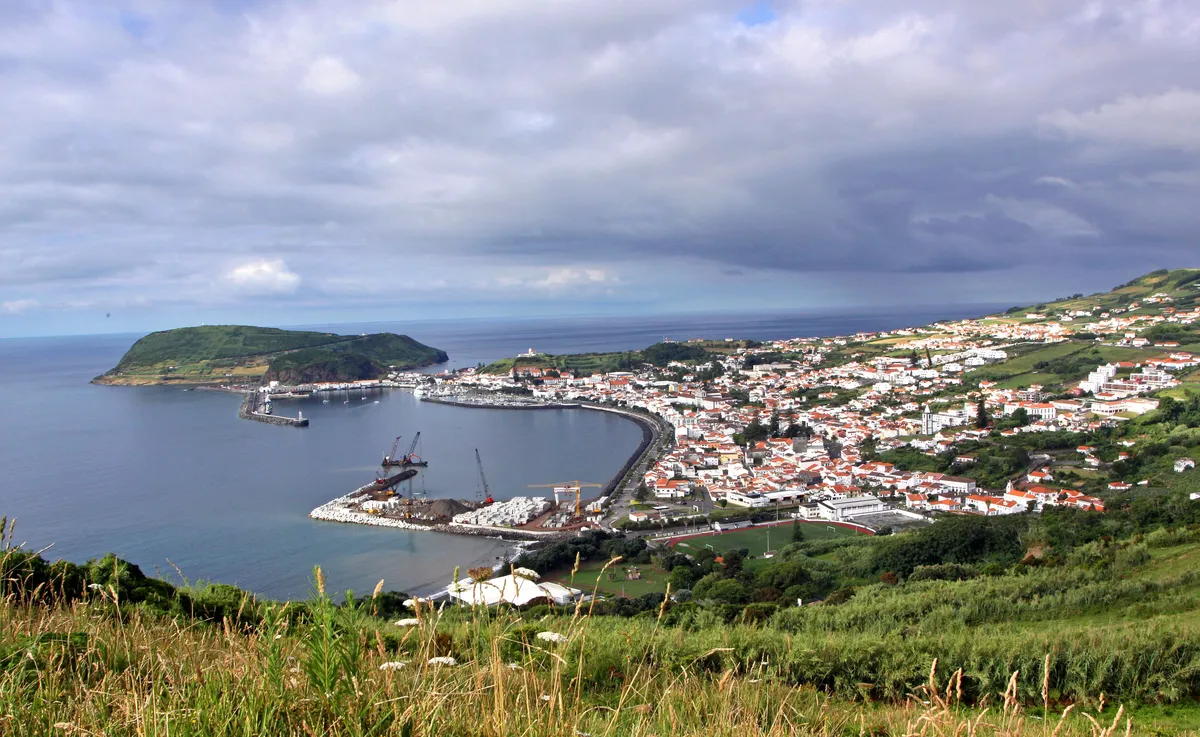
A survey by the Regional Government of the Azores has identified more than 3,140 buildings containing asbestos on the Triangle islands of São Jorge, Faial and Pico. Almost 90% are privately owned. The figure, released on 9 September in reply to a parliamentary question, puts a number on a problem that is plain to see in Velas, Horta or Madalena: the grey corrugated roof made of fibre cement.
What asbestos is and why it is there
Asbestos is a fibrous mineral that was mixed with cement for decades to make cheap, light roofing sheets known as fibre cement. The European Union banned asbestos in 2005, but everything installed before then is still in place. In the Azores it is common on houses and farm outbuildings put up before that date. Around 2,800 of the properties recorded belong to private owners and the rest to the Region or the State; São Jorge tops the list, followed by Faial and Pico.
The danger lies in breaking it
An intact sheet releases very few fibres. The risk comes when the material weathers under sun and salt, or when someone cuts, drills or pressure-washes it. Inhaled fibres can cause serious lung disease, including mesothelioma, a cancer that takes decades to appear. That is why removal may only be carried out by a licensed contractor, with a work plan notified to the labour inspectorate and waste sent to an approved landfill. Between 2021 and 2025 the regional inspectorate authorised about 170 such jobs, covering 85,000 square metres.
What an owner should do
First, leave the roof alone. Second, get a professional assessment. Third, price the removal and the new roof. In Portugal, stripping and disposing of fibre cement costs between 40 and 80 euros per square metre, and a complete new roof averages around 100 euros per square metre. For a 100 square metre house that is well over 10,000 euros. The 2026 State Budget provides for national grants for private homes, with rules still to be published; it is also worth asking the câmara municipal, the town hall.
What it means when you sell
A fibre cement roof does not stop a sale, but it weighs on the price. A valuer will record it as an outstanding cost, and an informed buyer will knock the replacement off their offer. Hiding it is unwise: a new owner who discovers it later can make a claim. Anyone with such a house in the Triangle would do well to document the roof, keep quotes and wait for the grant call before selling or renovating.
More in News
Madeira approves 718 new homes in first half of 2026 but completions fall
New-build licences in Madeira rose 27.5% in the first half of 2026 while finished homes fell. More projects are in the pipeline, but the extra supply will take…
Azores PS proposes accommodation supplement for displaced students
The Azorean Socialist Party proposes a monthly housing supplement for students who must leave their island, from 2027/28. What it would mean for families and w…
Cape Verde hotel boom pushes up property prices in Sal and Boa Vista
Cape Verde's hotels welcomed 277,000 guests between April and June, 9% more than a year earlier, led by Sal and Boa Vista. The boom is lifting prices and deepe…
Buying a home in Adeje or Guía de Isora takes almost 25 years of income
Buying in Adeje or Guía de Isora takes around 24.5 years of household income, while Arona and Granadilla rank among Spain's lowest-earning municipalities. Sout…