The whale-watching boom is driving up housing prices on the north coast, between Maia and Rabo de Peixe
The north coast stops being the island's poor relation
Whale-watching trips and interest in the thermal waters are changing the dynamics of the area.
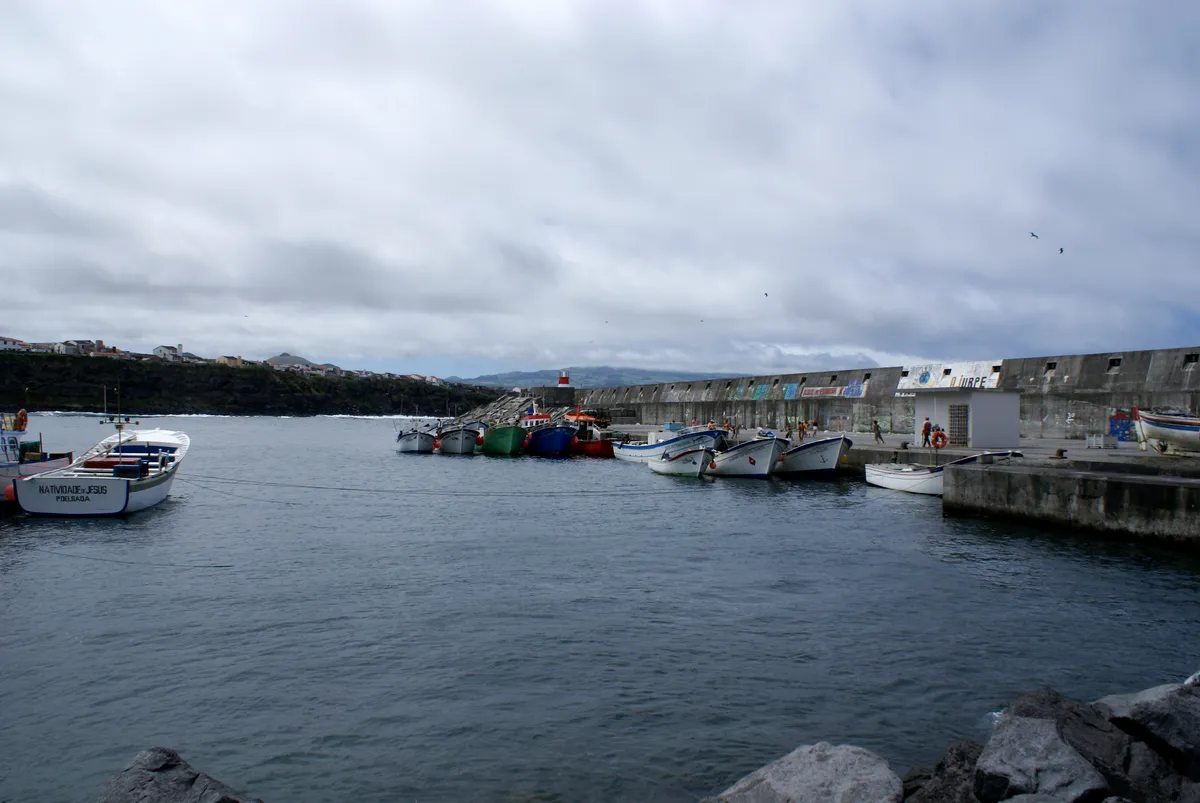
Fishing harbours turning into tourist harbours
The Porto de Rabo de Peixe is welcoming more and more cetacean-watching tour boats.
Maia, between farmland and new tourism
Agents are noting an uptick in enquiries for homes with Atlantic views.
Prices still moderate, but trending upward
The combination of nature tourism and better connectivity could narrow the price gap with the rest of the island.
Rabo de Peixe, from fishing crisis to new economic activity
Rabo de Peixe carried a reputation for years as a town struggling economically amid the decline of traditional fishing, a perception now starting to shift with the arrival of whale-watching and diving businesses. The harbour has taken on new boats dedicated almost exclusively to nature tourism, generating direct and indirect jobs in a municipality that until recently barely featured on the island's tourist circuits. This economic shift is also starting to show in interest in homes near the seafront.
Maia, between farming tradition and the first renovations
In Maia, family farms still coexist with the first homes renovated to welcome visitors drawn by the thermal waters and trails of the north coast. Local residents describe a still-early shift, far removed from the transformation seen in other well-established tourist areas of the island. Local estate agents agree that demand remains modest, though enquiries for homes with Atlantic views have risen noticeably over the past year.
Tourism growth the authorities want kept orderly
The Ribeira Grande council, which oversees much of these settlements, has stated its intention to accompany the growth of nature tourism with planning designed to avoid the imbalances seen in other parts of the island. It is considering capping the number of tourist accommodation licences along the north coast and prioritising investment in access roads and sanitation before actively promoting the area for tourism. Municipal officials insist they would rather see gradual growth than a price surge like the one seen in the south of the island.
The comparison with southern São Miguel
Industry agents recall that a decade ago the south coast of São Miguel, around Ponta Delgada, went through a rapid price surge linked to the tourism boom that today looks essentially irreversible. The north coast, with Maia and Rabo de Peixe as its main reference points, is seen as territory that still has time to avoid that same outcome. If the current trend holds, the price gap between the island's two coasts could narrow markedly in the coming years.
More in News
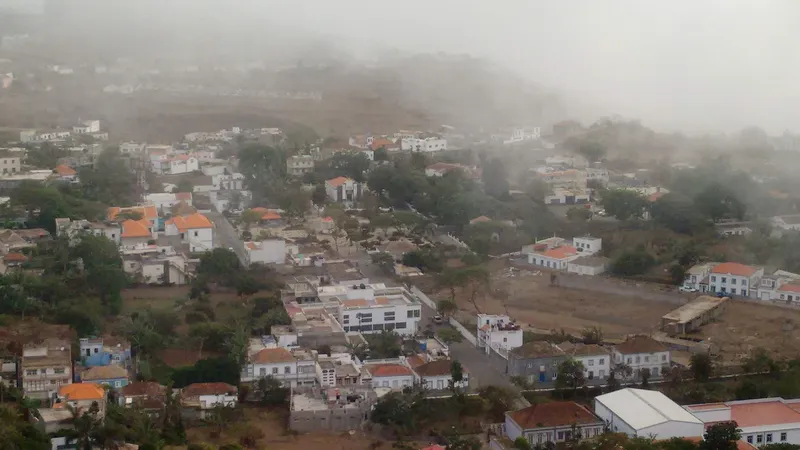
Brava, Cape Verde's smallest island, watches its houses empty out in step with emigration
With just a few thousand inhabitants and a population that keeps shrinking, Nova Sintra has a property market that is nearly frozen, kept alive solely by diasp…
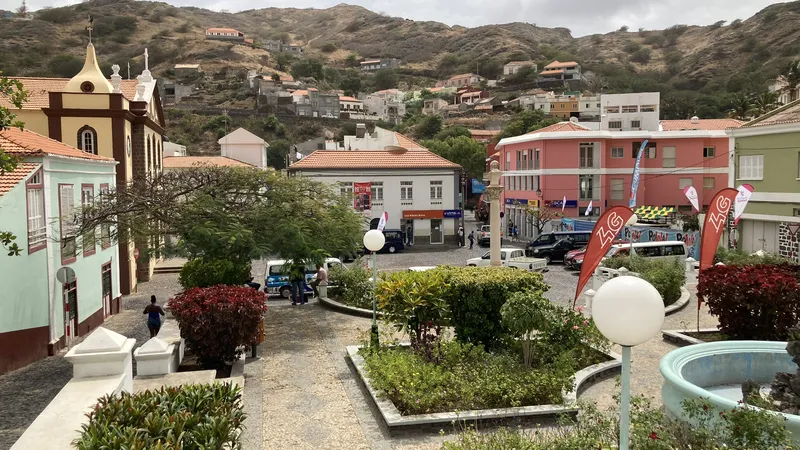
Ribeira Brava holds steady prices as emigration sets the market's pace
In São Nicolau, remittances from the diaspora sustain the building of family homes, but a lack of local buyers leaves a housing stock with many houses shut for…
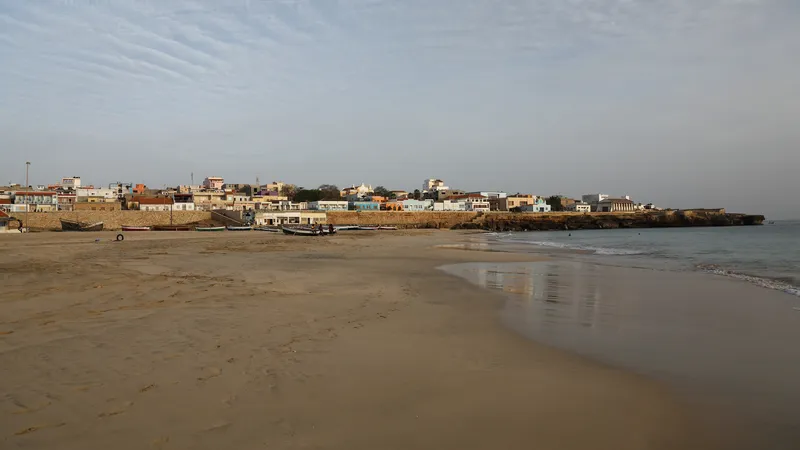
Maio, the island where buying a home is still nearly impossible for lack of supply
With the least developed property market in all of Cape Verde, Vila do Maio records barely any sales, while emigration leaves homes standing empty, neither sol…
Volcanic risk is already shaping house prices in São Filipe
At the foot of the Pico do Fogo volcano, memories of the last eruption continue to weigh on the value of homes near the caldera, while São Filipe's town centre…