Unreliable water and electricity supplies hold back new housebuilding across large parts of Maio
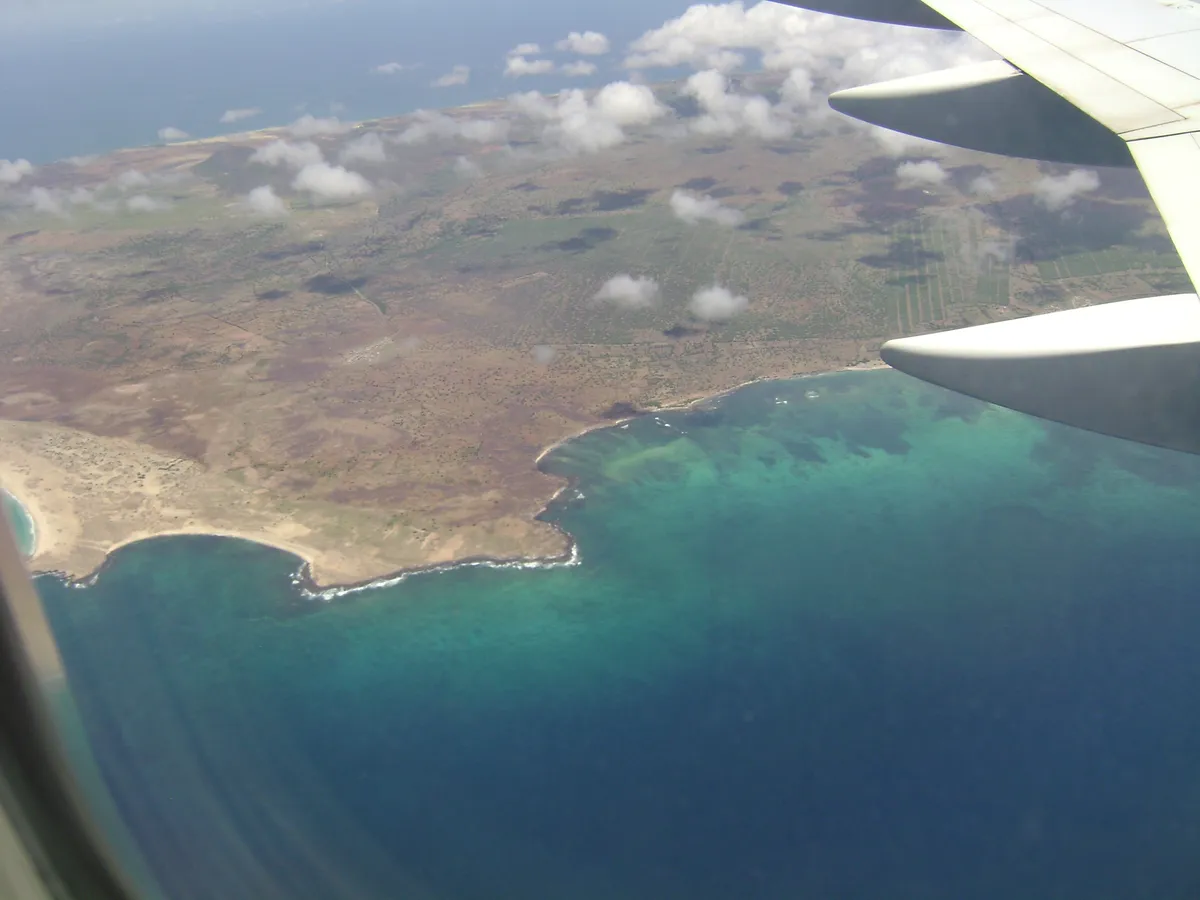
Limited networks beyond the main town
Only Vila do Maio has a relatively stable water and electricity supply.
The added cost of going it alone
A water tank costs around 350,000 CVE; a basic solar system, some 600,000 CVE.
An obstacle to residential growth
These extra costs add roughly 20% to the total budget for a home.
Public investment still awaited
Extending the networks is a precondition for any serious plan to expand housing.
Calheta and Morro, the worst affected
Outside Vila do Maio, places such as Calheta and Morro suffer the most frequent and longest power cuts, particularly during the peak tourist season when consumption is highest. Many families have opted to combine diesel generators with domestic solar panels so as not to rely solely on the public grid. Residents describe blackouts that sometimes last several days. The unreliable supply also makes it harder to keep food fresh and to run small local businesses.
Builders who now design for self-sufficiency
Several small building firms on the island have begun offering packages that build a water tank and a solar system into the design of the house from the outset, rather than adding them later as a retrofit. Planning both together, they explain, slightly reduces the final extra cost compared with installing the two systems separately once the house is finished. Even so, they acknowledge that the upfront outlay still puts it beyond lower-income families, who choose to build in stages and postpone the solar installation.
The example of other islands in the archipelago
On islands such as Boa Vista, the extension of the electricity grid towards emerging tourist areas was accelerated by agreements between the state and private operators tied to the hotel sector. In Maio, without tourism development on a comparable scale, that kind of agreement is harder to replicate, which leaves the extension of the networks almost entirely dependent on municipal and island public budgets.
Timetables that stretch on with no firm date
Municipal sources acknowledge that technical studies exist for extending the water and electricity networks to inland settlements, but no delivery timetable has been set. Reliance on outside funding and the priority given to other island infrastructure push the project back year after year. In the meantime, any family choosing to build outside the urban core of Vila do Maio must accept that generating their own power and water will remain, for now, the only realistic option.
More in News
Brava, Cape Verde's smallest island, watches its houses empty out in step with emigration
With just a few thousand inhabitants and a population that keeps shrinking, Nova Sintra has a property market that is nearly frozen, kept alive solely by diasp…
Ribeira Brava holds steady prices as emigration sets the market's pace
In São Nicolau, remittances from the diaspora sustain the building of family homes, but a lack of local buyers leaves a housing stock with many houses shut for…
Maio, the island where buying a home is still nearly impossible for lack of supply
With the least developed property market in all of Cape Verde, Vila do Maio records barely any sales, while emigration leaves homes standing empty, neither sol…
Volcanic risk is already shaping house prices in São Filipe
At the foot of the Pico do Fogo volcano, memories of the last eruption continue to weigh on the value of homes near the caldera, while São Filipe's town centre…