Shortage of housing for labourers and waiters drives up shared rents in Rabil
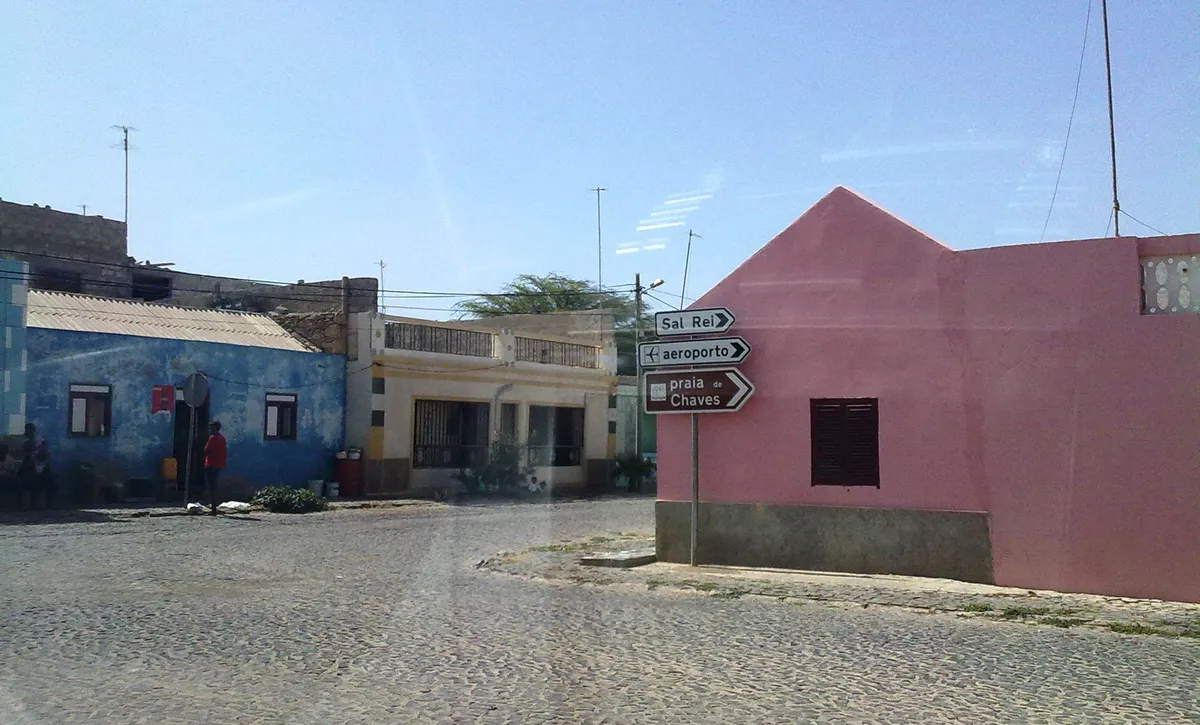
Outside labour, insufficient housing
The labourers come from other islands and from Senegal and Guinea-Bissau, drawn by better wages.
Shared rooms, the norm
Renting a shared room costs around 10,000 CVE per person a month.
Prefabricated housing as an emergency solution
Prefabricated units are being installed at a cost of around 900,000 CVE each.
A problem that grows with every new project
Overcrowded conditions in shared housing have been reported.
Foreign workers make up most of the workforce
Many of the construction workers and waiters arriving in Rabil come from Senegal, Guinea-Bissau and other Cape Verdean islands, drawn by wages higher than those back home. Several describe taking weeks to find stable accommodation after arriving on the island, relying at first on acquaintances or makeshift shared rooms. Migrant support associations in Boa Vista say the lack of housing is one of the main obstacles to these workers' integration. Some construction companies have begun brokering accommodation directly for their foreign employees.
Shared rooms, a business in their own right
Homeowners in Rabil have found a steady income stream in renting rooms to foreign workers, letting by the room rather than the whole property. This practice has meant that a single house sometimes houses several unrelated families or groups of workers. Municipal inspectors admit they struggle to monitor living conditions in these informal rentals. Trade union organisations are calling for specific regulation to guarantee minimum quality standards for housing aimed at this type of worker.
Prefabricated units, somewhere between a solution and a stopgap
Some construction companies have begun installing prefabricated units on land near building sites to house their workers directly, avoiding dependence on Rabil's rental market. These units offer basic but adequate conditions according to their developers, although unions believe they are no substitute for a more dignified medium-term housing solution. The Câmara Municipal admits that this kind of temporary accommodation has spread faster than expected, without a clear regulatory framework governing it. Some voices in the sector are calling for these units to be limited strictly to transitional solutions while a supply of permanent housing is developed.
Overcrowding, a recurring complaint
Organisations defending migrant workers' rights have repeatedly reported overcrowded conditions in Rabil housing, with more occupants than the available space allows. Some workers interviewed admit sharing a room with several people in order to cope with the cost of rent. The Câmara Municipal says it is studying more frequent inspection measures, though it acknowledges staffing constraints in covering the entire rental housing stock. The continuing growth of new hotel projects on the island, experts warn, will keep adding pressure to this situation unless it is addressed with an adequate housing supply for workers.
More in News
Brava, Cape Verde's smallest island, watches its houses empty out in step with emigration
With just a few thousand inhabitants and a population that keeps shrinking, Nova Sintra has a property market that is nearly frozen, kept alive solely by diasp…
Ribeira Brava holds steady prices as emigration sets the market's pace
In São Nicolau, remittances from the diaspora sustain the building of family homes, but a lack of local buyers leaves a housing stock with many houses shut for…
Maio, the island where buying a home is still nearly impossible for lack of supply
With the least developed property market in all of Cape Verde, Vila do Maio records barely any sales, while emigration leaves homes standing empty, neither sol…
Volcanic risk is already shaping house prices in São Filipe
At the foot of the Pico do Fogo volcano, memories of the last eruption continue to weigh on the value of homes near the caldera, while São Filipe's town centre…