Sete Cidades halts new construction to protect the landscape of its volcanic caldera
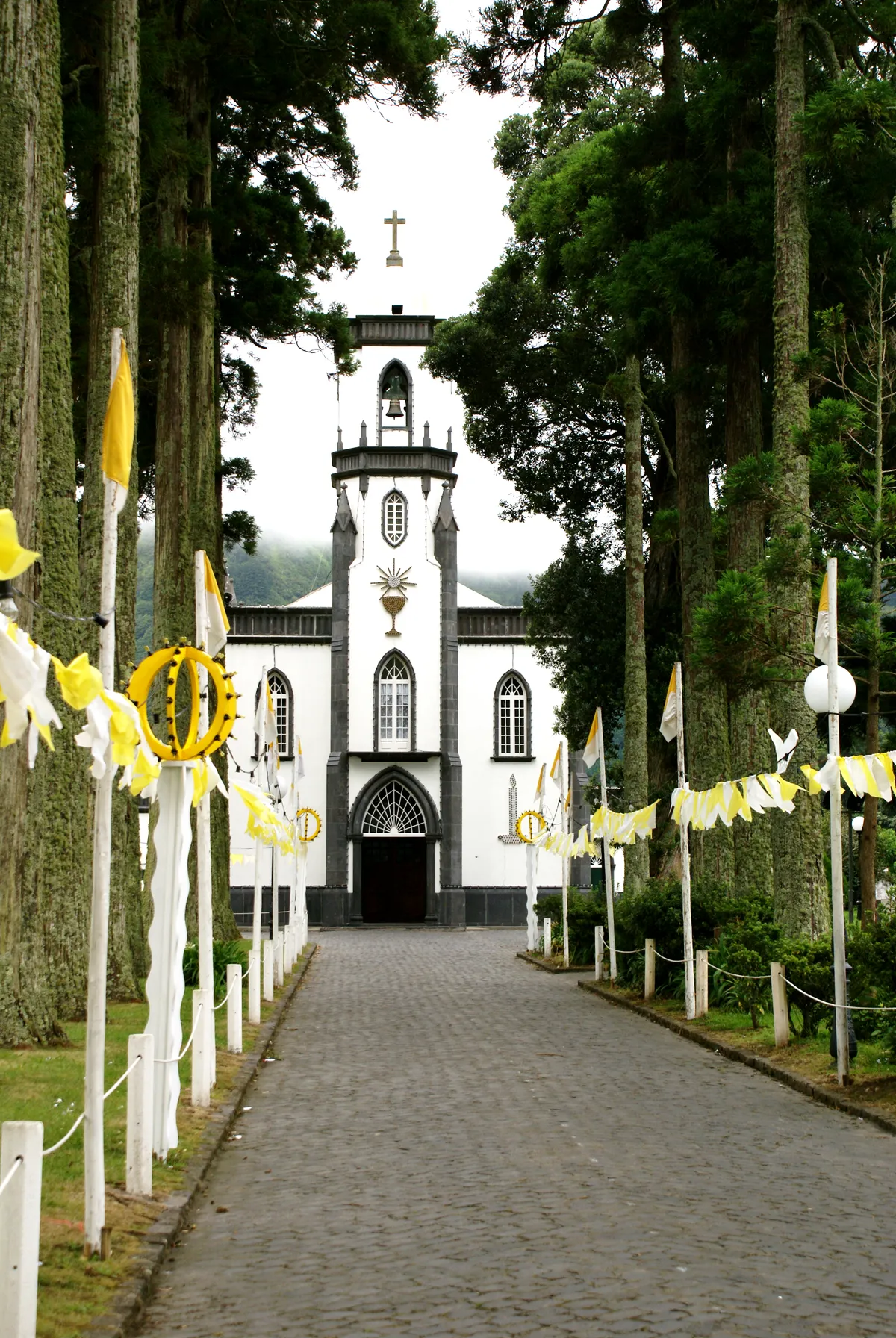
Living inside a protected landscape
Much of the Sete Cidades territory falls under environmental protection designations that restrict building.
Few homes available, plenty of demand
The few houses that come onto the market draw far more interest than the parish's size would suggest.
Renovation, yes; new building, almost never
Most authorised projects involve renovation, not new construction.
The balance between conservation and local life
The case illustrates the tension between preserving the landscape and residents' right to extend their homes.
A volcanic caldera declared a protected landscape
The Sete Cidades massif, with its twin blue and green lagoons, is one of the most recognisable images of the Azorean archipelago and is subject to various environmental and landscape protection designations. These designations severely restrict any new construction within the caldera, with the declared aim of preserving both the area's ecological value and the tourist appeal it holds for the island.
Living in a top-tier tourist destination
Residents of the parish live day to day with a constant flow of visitors arriving to take in the Vista do Rei viewpoint or walk the trails skirting the lagoons, a coexistence that is not always easy in such a small settlement. Even so, many residents welcome the fact that tourism keeps some economic activity going in an area that, without that draw, would likely suffer a demographic decline similar to that of other rural parishes on the island.
Renovation as the only path to growth
With new construction effectively ruled out, the projects that do gain approval are almost always renovations of existing homes, respecting the volume and traditional materials of Azorean rural architecture. Architects working in the area note that this kind of intervention, though more costly, is ultimately the one that most easily wins approval from environmental authorities.
A debate that goes beyond Sete Cidades
The balance between landscape conservation and residents' right to improve their homes is repeated in other protected natural areas of the archipelago, such as parts of Pico designated a UNESCO World Heritage site. The regional government insists that protecting the landscape is, in the long run, what sustains the very tourist and property value of these areas.
More in News
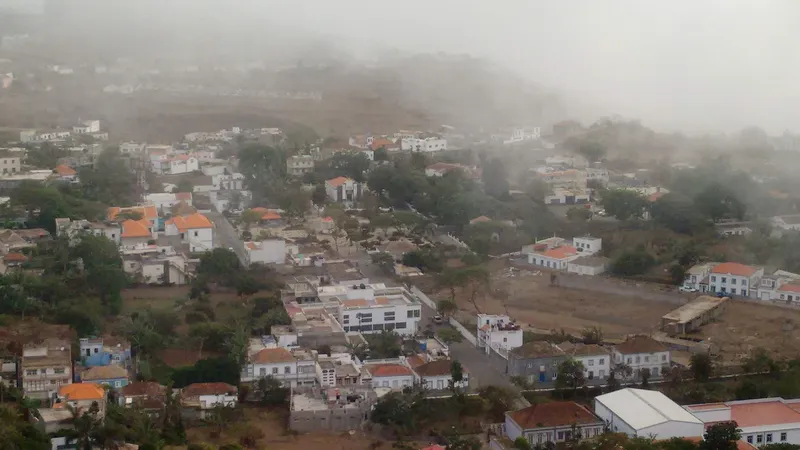
Brava, Cape Verde's smallest island, watches its houses empty out in step with emigration
With just a few thousand inhabitants and a population that keeps shrinking, Nova Sintra has a property market that is nearly frozen, kept alive solely by diasp…
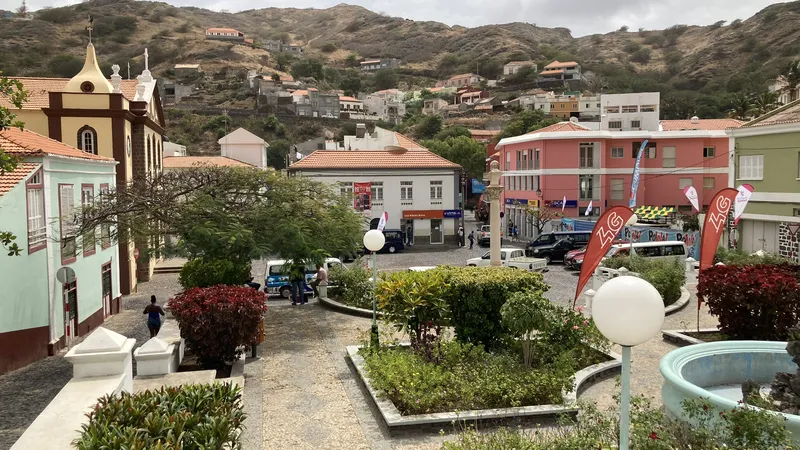
Ribeira Brava holds steady prices as emigration sets the market's pace
In São Nicolau, remittances from the diaspora sustain the building of family homes, but a lack of local buyers leaves a housing stock with many houses shut for…
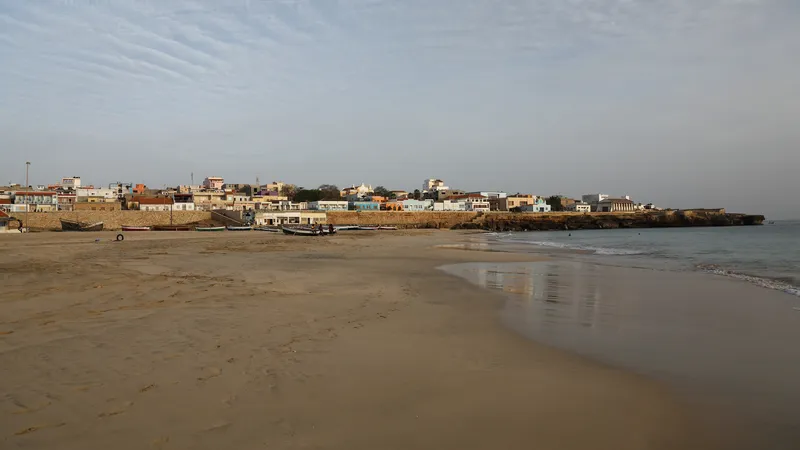
Maio, the island where buying a home is still nearly impossible for lack of supply
With the least developed property market in all of Cape Verde, Vila do Maio records barely any sales, while emigration leaves homes standing empty, neither sol…

Volcanic risk is already shaping house prices in São Filipe
At the foot of the Pico do Fogo volcano, memories of the last eruption continue to weigh on the value of homes near the caldera, while São Filipe's town centre…