São Roque do Pico sees a surge of restoration work in its traditional old town
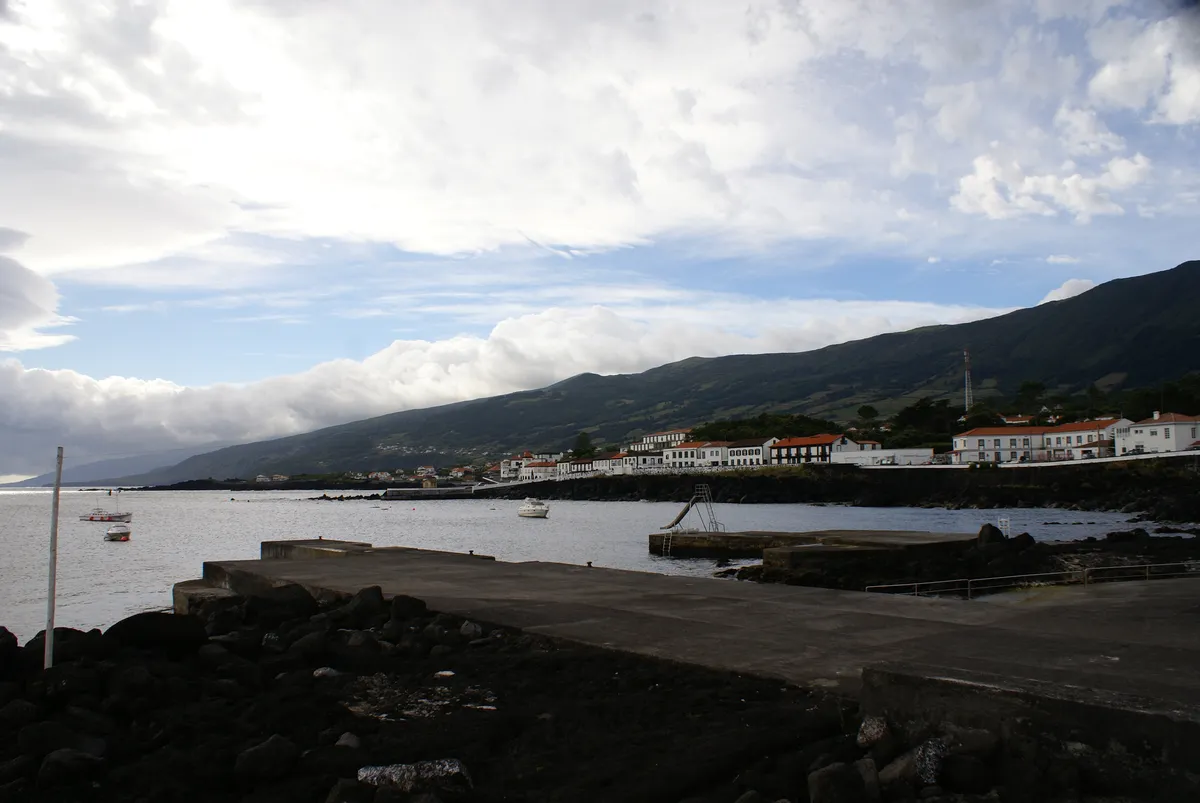
An old town beginning to recover
Building consents linked to traditional housing have risen noticeably.
Who is behind the restoration work
Local families and new arrivals find prices in São Roque more affordable than in Madalena.
The challenge of keeping the original character
Restoration work must respect rules on preserving the traditional architectural character.
A knock-on effect across the rest of the municipality
The upturn is spreading to neighbouring parishes, where traditional houses are also getting more expensive.
A second town emerging from Madalena's shadow
For years Madalena took the lion's share of property interest on the island of Pico thanks to its harbour and its proximity to Horta airport on neighbouring Faial, leaving São Roque very much in second place. That balance has begun to shift as prices in Madalena have climbed and both buyers and local families look for more affordable options on the same island. São Roque, with its own historic whaling harbour, offers comparable architectural heritage at a lower cost. The rebalancing favours a town that for decades grew more slowly than the municipal capital.
A whaling past that adds to the appeal
Much of the old town of São Roque still has buildings connected to the island's former whaling industry, including the sperm whale oil factory now converted into a museum. That maritime past adds a heritage value that buyers with an interest in history rate especially highly when choosing a home. Several of the properties restored recently belonged to old families tied to the whaling trade. Council officers regard that historical link as a further argument for the strict conservation standards required of building work.
New residents from varied backgrounds
Those buying traditional homes in São Roque include both emigrants returning from the United States or Canada, with family ties on the island, and professionals who have chosen to work remotely somewhere quieter than a big city. That second profile is relatively new to the Pico market and is starting to account for a growing share of the enquiries local estate agents receive. Returning emigrants, for their part, tend to put restoring the family home ahead of buying a new one. The combination of the two broadens a demand that once depended almost entirely on the local market.
Neighbouring parishes are starting to feel it
Rising prices in São Roque have already spread to nearby parishes such as Prainha and Bandeiras, where old stone houses that attracted barely any interest a few years ago are now drawing enquiries from buyers. Estate agents in the area describe the effect as a natural drift of demand towards slightly more distant settlements in search of prices that are still affordable. If the trend holds, some council officers expect it to reach virtually the whole of the island's south coast over the coming years. For now, the knock-on effect is concentrated in the parishes closest to São Roque.
More in News
Brava, Cape Verde's smallest island, watches its houses empty out in step with emigration
With just a few thousand inhabitants and a population that keeps shrinking, Nova Sintra has a property market that is nearly frozen, kept alive solely by diasp…
Ribeira Brava holds steady prices as emigration sets the market's pace
In São Nicolau, remittances from the diaspora sustain the building of family homes, but a lack of local buyers leaves a housing stock with many houses shut for…
Maio, the island where buying a home is still nearly impossible for lack of supply
With the least developed property market in all of Cape Verde, Vila do Maio records barely any sales, while emigration leaves homes standing empty, neither sol…
Volcanic risk is already shaping house prices in São Filipe
At the foot of the Pico do Fogo volcano, memories of the last eruption continue to weigh on the value of homes near the caldera, while São Filipe's town centre…