Sal's urban growth runs up against its limits on desalinated water and energy
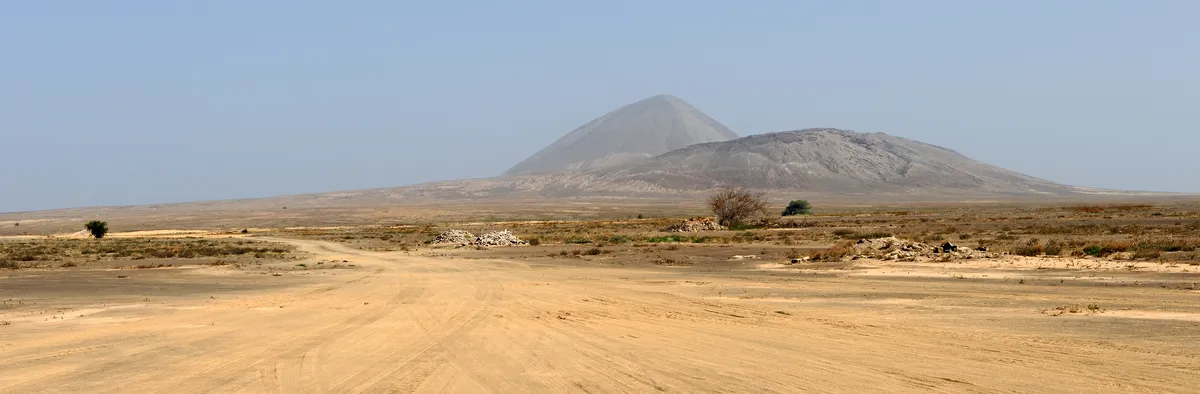
An island with no fresh water of its own
Desalination supplies the vast majority of the island's drinking water.
A resource that shapes every new development
The extra cost of water and electricity infrastructure runs to around 700,000 CVE per home.
Energy, a parallel bottleneck
Peak consumption in high season is testing the grid's capacity.
A physical limit on the growth model
Without expanding desalination and power generation, the current pace could not be sustained.
Decades of total dependence on the sea
Sal has no permanent watercourses and lacks aquifers sufficient to supply its population, so it has relied on desalinated seawater for decades, long before tourism transformed the island. That infrastructure, originally designed for a much smaller population, has undergone successive expansions as hotels and tourist developments grew. Industry technicians acknowledge that each new phase of tourist expansion almost automatically requires a further expansion of desalination capacity. This structural dependence makes water the island's true physical limit on growth.
Developers who factor the extra cost into the business
Developers operating on Sal have folded the extra cost of water and electricity infrastructure into their feasibility calculations as just another line item, ultimately passing it on in the final price of the property. Some larger projects negotiate directly with desalination companies for expanded capacity in exchange for long-term purchase commitments. This arrangement allows new plants to be financed without relying solely on public investment, though it raises the final price for buyers. Small local developers, lacking similar negotiating power, admit they compete at a disadvantage against large international hotel chains.
The electricity grid, under ever-greater peaks
The busiest tourist months coincide with heavy use of air conditioning in hotels and homes, generating peaks in electricity demand that the island's grid manages with ever-narrower margins. The national power utility has announced plans to strengthen generation capacity on Sal, though its rollout is moving more slowly than the pace of construction of new tourist accommodation. Isolated power cuts at times of peak demand have already occurred on a few recent occasions. The hotel sector is pushing for these investments to be sped up before new large-scale projects are approved.
A limit that is starting to shape planning
Municipal authorities on Sal have begun tying approval of new planning permits to the actual availability of water and energy, rather than processing them automatically as before. This still-informal condition marks a shift away from the unrestricted growth model that has characterised the island in recent decades. Some foreign investors have voiced concern over the uncertainty this introduces into their expansion plans. For municipal technicians, however, it is better to slow down in time than to face a collapse of basic services at the height of the season.
More in News
Brava, Cape Verde's smallest island, watches its houses empty out in step with emigration
With just a few thousand inhabitants and a population that keeps shrinking, Nova Sintra has a property market that is nearly frozen, kept alive solely by diasp…
Ribeira Brava holds steady prices as emigration sets the market's pace
In São Nicolau, remittances from the diaspora sustain the building of family homes, but a lack of local buyers leaves a housing stock with many houses shut for…
Maio, the island where buying a home is still nearly impossible for lack of supply
With the least developed property market in all of Cape Verde, Vila do Maio records barely any sales, while emigration leaves homes standing empty, neither sol…

Volcanic risk is already shaping house prices in São Filipe
At the foot of the Pico do Fogo volcano, memories of the last eruption continue to weigh on the value of homes near the caldera, while São Filipe's town centre…