The rural-accommodation boom drives up interest in Fajã dos Vimes despite an almost total ban on building
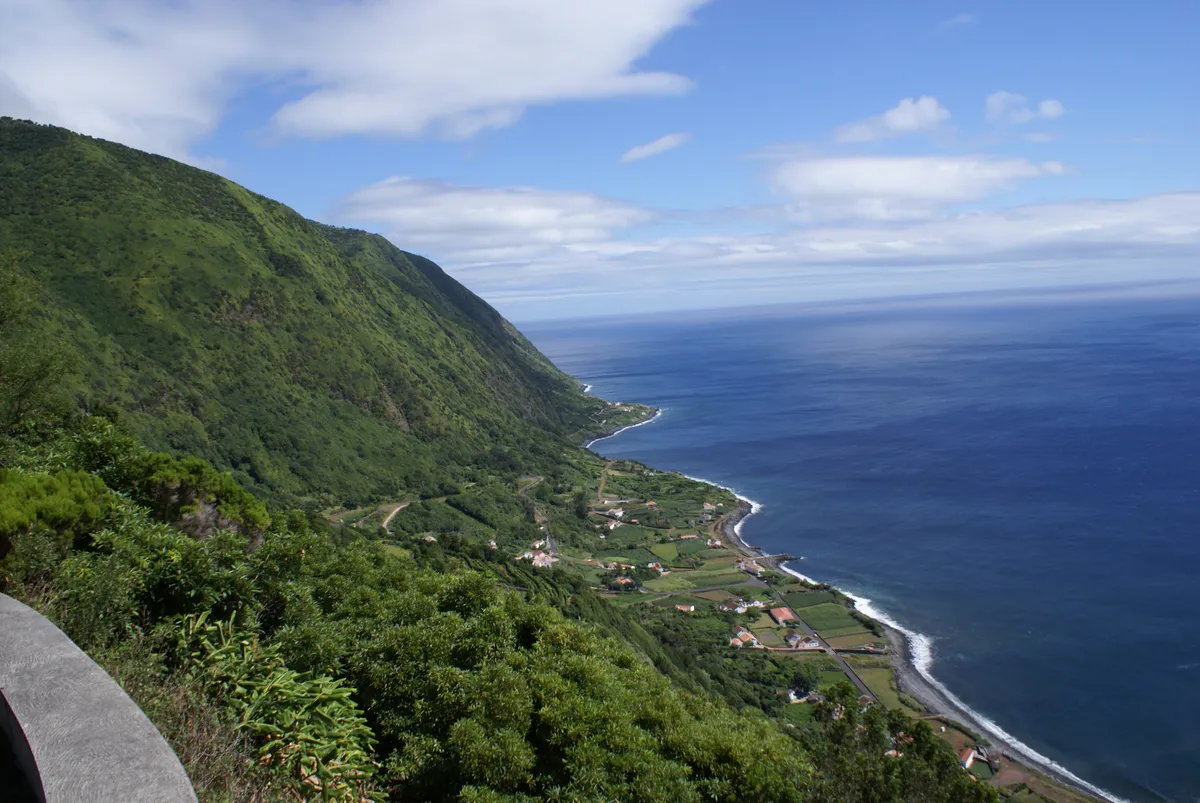
A landscape that has become coveted
Fajã dos Vimes and Fajã da Caldeira de Santo Cristo, in Calheta, are the most sought-after on the island.
Inheritances, not developments
Almost all sales involve houses inherited by emigrant families that have been renovated for tourism.
A market of "just a handful of houses"
The number of properties that could realistically change hands is counted in the dozens, not hundreds.
The island's dilemma
Rising values help keep houses inhabited, but push young families further away.
A unique landscape formed by landslides
São Jorge's fajãs are coastal plains formed by ancient landslides of earth and lava that piled up at the foot of the island's cliffs, creating small habitable pockets by the sea. Fajã dos Vimes, with its lush vegetation and distinctive microclimate, has become one of the most photographed spots in the archipelago. This geological origin, combined with the historic isolation of these communities, explains the small number of homes in each fajã. That structural scarcity is what now fuels property interest in homes that practically never reach the open market.
Emigrant families deciding what to do with the house
Most of the homes in Fajã dos Vimes belong to descendants of families who emigrated generations ago to the United States or Canada, and who now have to decide between selling the inherited house, keeping it closed up, or investing in renovating it for tourist use. This decision is usually taken collectively among several co-owner siblings or cousins, which lengthens sale or renovation processes. When renovation is finally chosen, the result is usually put to holiday letting rather than sold outright. This pattern explains why so few fajã properties change hands despite the growing interest.
Almost absolute planning restrictions
Calheta's municipal planning rules prohibit practically any new construction in the fajãs, both because of geological risk and to preserve a landscape considered unique heritage for the island. This restriction turns existing homes into a finite asset, with no possibility of expanding supply in the medium term. The few owners who apply for renovation permits must meet strict criteria respecting traditional volumes and materials. For many residents, this regulatory rigidity is precisely what has preserved the character that now draws visitors.
The cost of keeping the fajãs alive
The rise in value of homes in Fajã dos Vimes has a positive side, preventing these houses from ending up abandoned and derelict as has happened in other, lesser-known fajãs on the island. However, the prices reached by the few available properties are out of reach for young São Jorge families who would like to settle there permanently. This contrast between heritage preservation and housing access repeats itself in several similar enclaves across the Azorean archipelago. The future of these communities will depend, according to residents consulted, on finding ways to reconcile both goals.
More in News
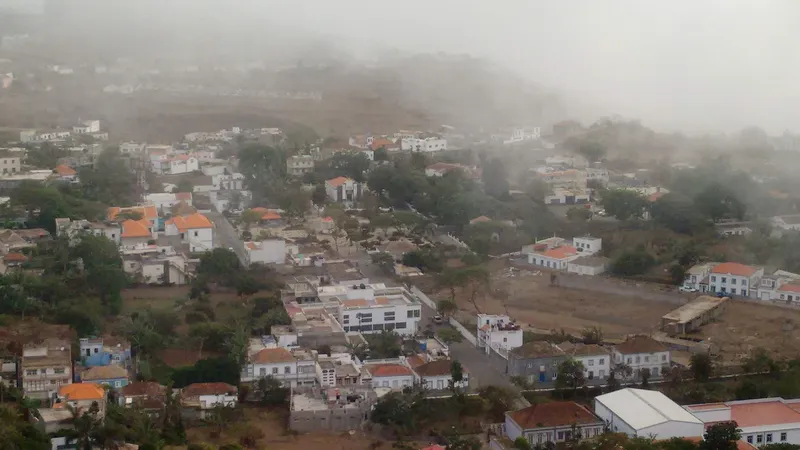
Brava, Cape Verde's smallest island, watches its houses empty out in step with emigration
With just a few thousand inhabitants and a population that keeps shrinking, Nova Sintra has a property market that is nearly frozen, kept alive solely by diasp…
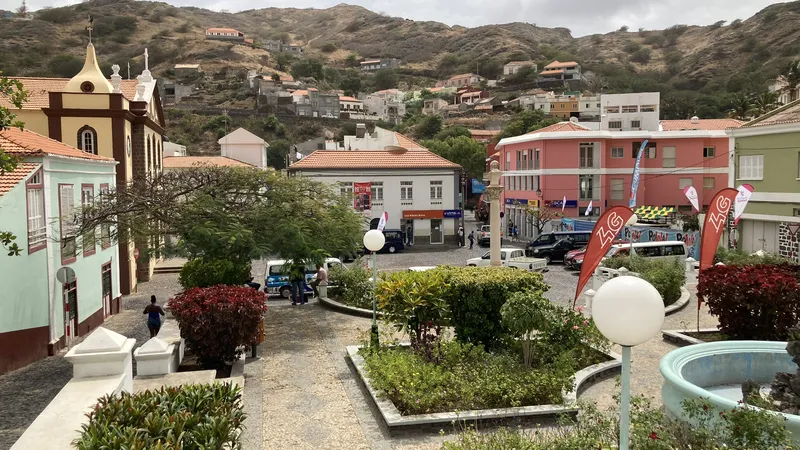
Ribeira Brava holds steady prices as emigration sets the market's pace
In São Nicolau, remittances from the diaspora sustain the building of family homes, but a lack of local buyers leaves a housing stock with many houses shut for…
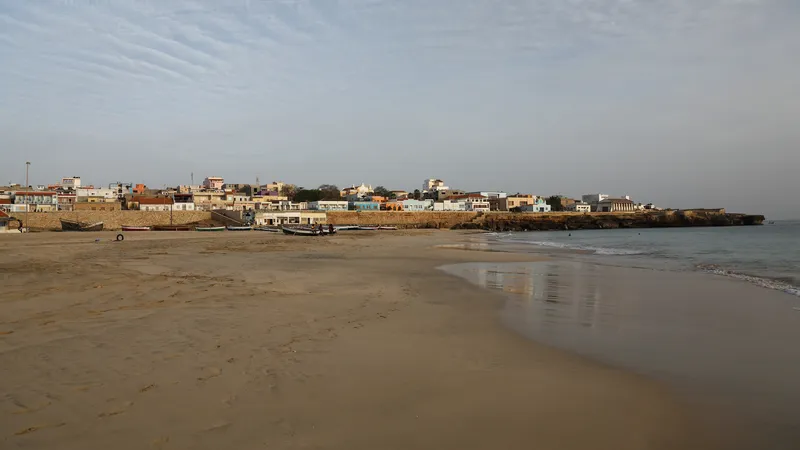
Maio, the island where buying a home is still nearly impossible for lack of supply
With the least developed property market in all of Cape Verde, Vila do Maio records barely any sales, while emigration leaves homes standing empty, neither sol…
Volcanic risk is already shaping house prices in São Filipe
At the foot of the Pico do Fogo volcano, memories of the last eruption continue to weigh on the value of homes near the caldera, while São Filipe's town centre…