Rents in Praia jump by up to 18% as civil servants and migrants from other islands arrive
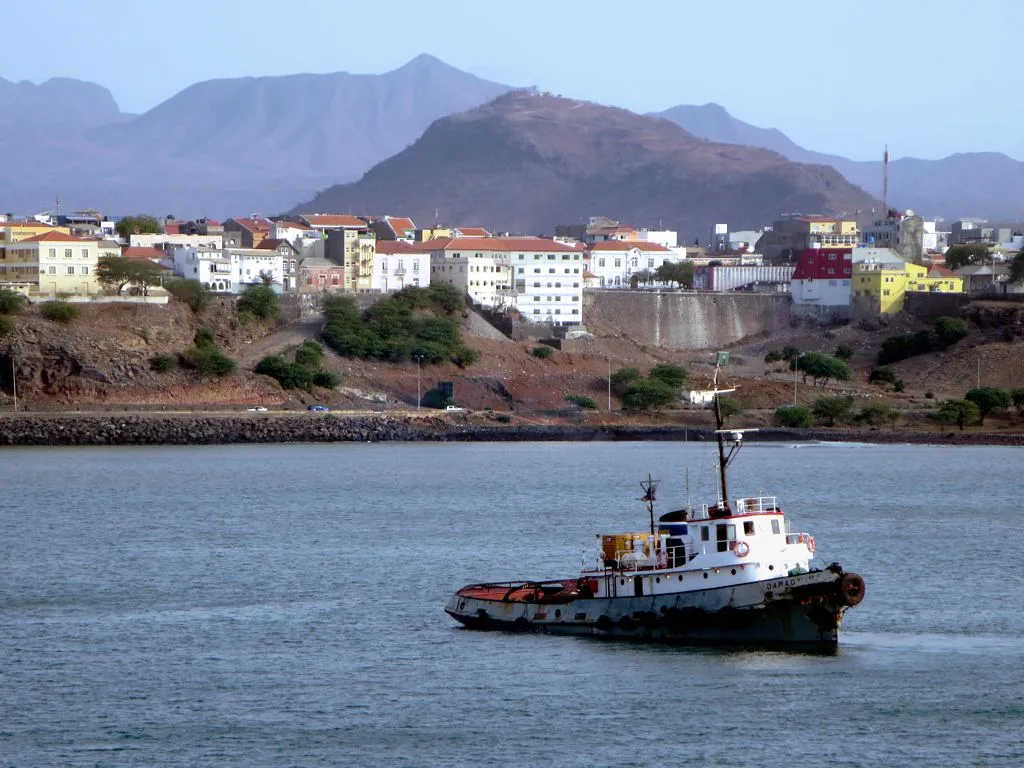
A capital that keeps absorbing population
The average rent for a two-bedroom flat in Plateau or Várzea is around 40,000 CVE, a rise of nearly 18%.
Civil servants, rents and competition for space
Public employees with housing allowances are pricing out lower-income families.
The effect of migration from other islands
Praia concentrates university and healthcare provision, drawing internal migration.
Landlords capitalising on a tight market
Some landlords are renewing contracts with increases of more than 10% a year.
The capital where the country's services are concentrated
Praia is home to almost all government ministries, the country's main public university and Cabo Verde's leading hospitals, making the capital the obvious destination for anyone looking to study, receive specialist medical treatment or land a public-sector job. This concentration of services explains why the city keeps drawing people from other islands in the archipelago, even in periods when the national economy is not growing strongly. Every new university intake or public-sector recruitment round translates, according to local estate agents, into an immediate spike in rental demand. This keeps the market under near-constant pressure all year round.
Plateau and Várzea, the most sought-after neighbourhoods
The historic centre of Plateau and the neighbouring district of Várzea account for most of the demand for two-bedroom rentals, thanks to their proximity to government offices, shops and schools. This central location explains why prices in these two neighbourhoods are markedly higher than in more peripheral parts of the capital, despite the homes often being old and in need of renovation. Landlords in the area acknowledge they can afford to demand guarantees or deposits above the norm elsewhere in the city. This tenant selection shuts out much of the lower-income population from the centre.
Housing allowances distorting the market
Certain branches of the Cape Verdean civil service receive salary top-ups specifically to cover housing costs when staff are posted to the capital from another island, an allowance that in practice lets them compete on better terms for the flats available. Families without access to this kind of allowance say they are competing at a clear disadvantage against recently relocated civil servants. Some Plateau landlords openly admit to preferring tenants with this sort of guaranteed income, given the lower risk of non-payment. The phenomenon mirrors, on a smaller scale, dynamics already seen in other capitals where public-sector employment accounts for much of the purchasing power in the rental market.
Contracts renewed upward year after year
The shortage of supply allows many Praia landlords to renew rental contracts with rises of more than 10% a year, well above the country's general inflation rate, taking advantage of the fact that finding a similarly priced alternative is becoming increasingly difficult for tenants. Consumer rights associations have begun receiving inquiries from families watching their rent climb repeatedly with no clear regulatory framework to curb this kind of increase. Some members of parliament have raised the need to look into rent-control mechanisms similar to those in other countries, though the debate has not moved beyond occasional statements. Meanwhile, rental pressure in the Cape Verdean capital shows no sign of easing.
More in News
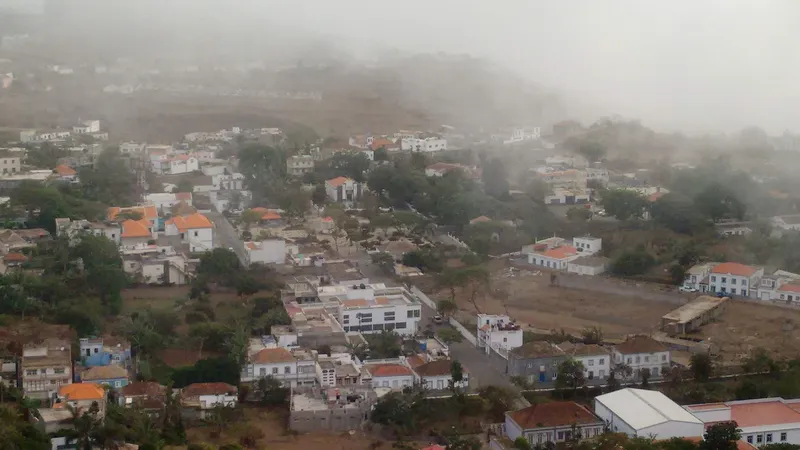
Brava, Cape Verde's smallest island, watches its houses empty out in step with emigration
With just a few thousand inhabitants and a population that keeps shrinking, Nova Sintra has a property market that is nearly frozen, kept alive solely by diasp…
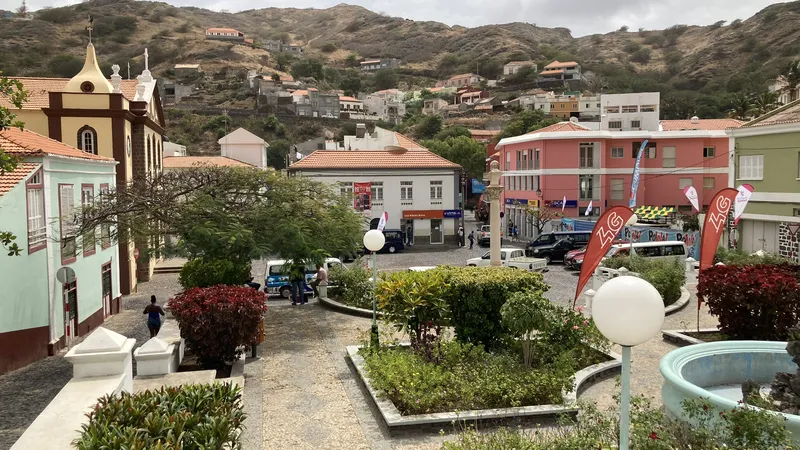
Ribeira Brava holds steady prices as emigration sets the market's pace
In São Nicolau, remittances from the diaspora sustain the building of family homes, but a lack of local buyers leaves a housing stock with many houses shut for…
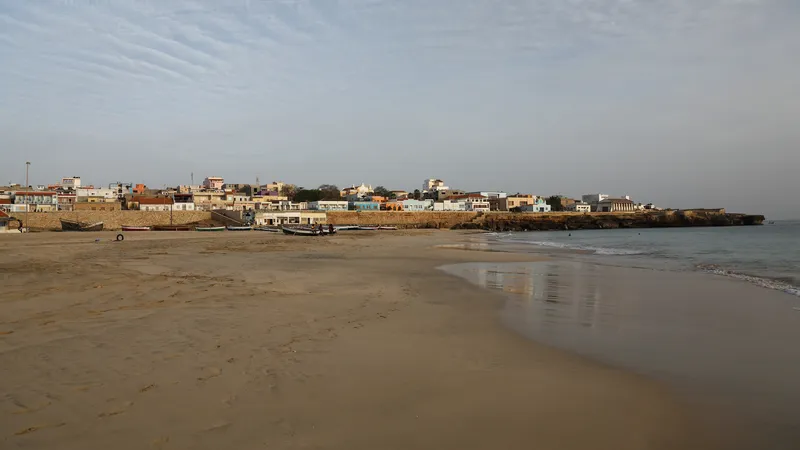
Maio, the island where buying a home is still nearly impossible for lack of supply
With the least developed property market in all of Cape Verde, Vila do Maio records barely any sales, while emigration leaves homes standing empty, neither sol…
Volcanic risk is already shaping house prices in São Filipe
At the foot of the Pico do Fogo volcano, memories of the last eruption continue to weigh on the value of homes near the caldera, while São Filipe's town centre…