Reliance on the Faial and São Jorge ferry pushes up the cost of every square metre built in Pico
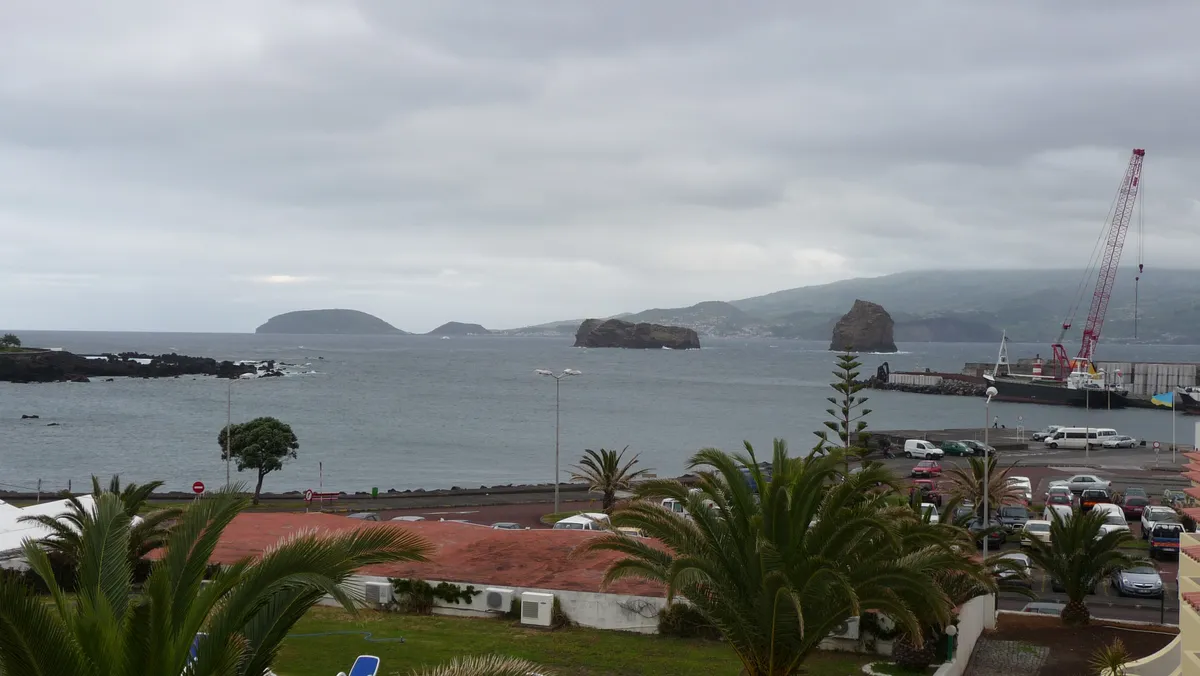
An island that relies on the sea to build
The whole island depends on sea transport from Faial and São Jorge for construction materials.
The impact on timelines and budgets
Weather disruption can delay entire projects and drive up storage costs.
Materials not made on the island
Cement, steel and factory-made joinery arrive from Faial or the rest of the archipelago.
A factor weighing on every decision to buy or build
The extra logistics cost explains why many buyers choose to renovate rather than build.
Sea transport, a structural problem for the smaller islands
Pico's situation is not an isolated case within the Azorean archipelago: islands such as Faial, Graciosa and Corvo face similar constraints on the supply of materials. However, Pico stands out for the volume of new-build and renovation work concentrated in towns such as Madalena, São Roque and Lajes do Pico, which multiplies the impact of any delay in sea transport. Local builders estimate that dependence on a single supply route can add between two and four weeks to the timeline of a typical project.
Stockpiling before building, the usual strategy
Given the uncertainty over shipments, many building firms choose to stockpile materials months in advance, which means having warehouses or plots set aside solely for storage. This extra logistics cost is then passed on to the project's final budget, and helps explain why the cost per square metre built in Pico is higher than on islands with more direct links to mainland Portugal. Some developers have started listing this as a separate line item in their budgets, so buyers understand where the extra cost comes from.
The port of Madalena, a critical entry point
Most of the cargo arriving on the island from Faial and São Jorge is unloaded at the port of Madalena, whose capacity has at times been overwhelmed during the busiest months for construction. Port operators acknowledge that expanding the facilities would make it easier for materials to arrive in greater volumes and with fewer stops, though any such project would require public investment and several years of processing. In the meantime, the construction sector continues to adjust its schedules to the real availability of sea transport.
Renovation gains ground over new-build
Faced with these extra costs, more and more owners are choosing to renovate existing basalt-stone houses rather than build from scratch, since much of the original structure can be reused and less material needs to be imported. This trend particularly benefits the historic centres of Lajes do Pico and São Roque, where older housing stock is plentiful. Industry professionals agree this will be the main avenue for market growth until the island's transport links improve.
More in News
Brava, Cape Verde's smallest island, watches its houses empty out in step with emigration
With just a few thousand inhabitants and a population that keeps shrinking, Nova Sintra has a property market that is nearly frozen, kept alive solely by diasp…
Ribeira Brava holds steady prices as emigration sets the market's pace
In São Nicolau, remittances from the diaspora sustain the building of family homes, but a lack of local buyers leaves a housing stock with many houses shut for…
Maio, the island where buying a home is still nearly impossible for lack of supply
With the least developed property market in all of Cape Verde, Vila do Maio records barely any sales, while emigration leaves homes standing empty, neither sol…

Volcanic risk is already shaping house prices in São Filipe
At the foot of the Pico do Fogo volcano, memories of the last eruption continue to weigh on the value of homes near the caldera, while São Filipe's town centre…