Refurbishment grants breathe new life into the traditional houses of Las Tricias, in Garafía
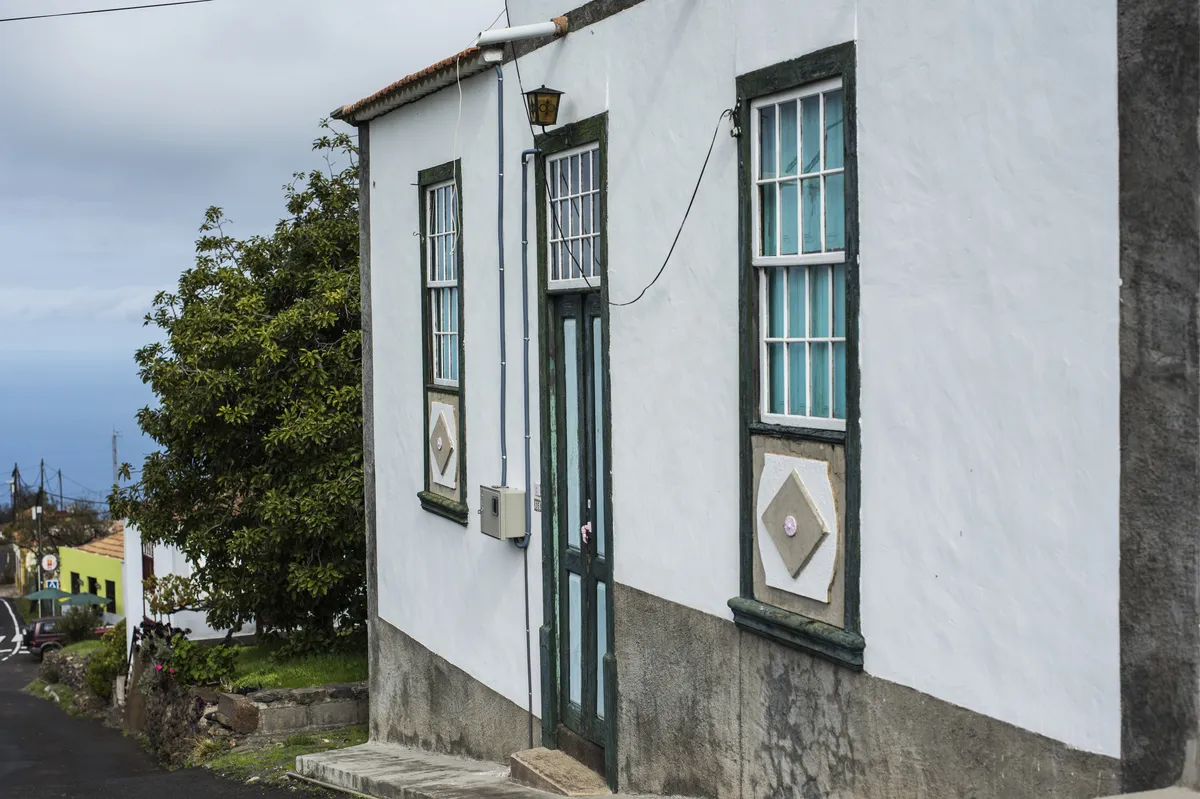
Garafía's traditional houses find a second wind
In Garafía, the most sparsely populated municipality on La Palma, traditional houses with stone façades, balconies of tea pine and pitched roofs are beginning to find owners again. Sources in the island's refurbishment sector report renewed interest in buying and restoring old village houses in settlements such as Las Tricias, both among the descendants of emigrants returning home and among outside buyers drawn by the traditional architecture.
Regional grants as the decisive lever
Housing refurbishment grants from the Government of the Canary Islands, alongside specific programmes to support rural living, are covering a substantial share of the cost of this work, which according to property portals can easily exceed 80,000 euros for a traditional house of any size. Without that support, several owners acknowledge, many of these homes would remain shuttered or slowly fall into ruin.
The old quarter of Santa Cruz de La Palma, a challenge on a larger scale
Meanwhile, the historic centre of Santa Cruz de La Palma, a listed heritage site, is moving more slowly with its own residential refurbishment. Municipal sources explain that the added complexity of terraced buildings, some of them several storeys high and with multiple owners, makes full refurbishment applications costlier and slower than for the detached houses of the northern villages.
Rural tourism and permanent homes, a delicate balance
The appeal of these restored traditional houses as rural holiday lets already poses a dilemma familiar from other parts of the island: councils in the northern district are considering how to encourage owners to put some of the recovered homes to use as permanent residences rather than solely as holiday accommodation.
The return of the emigrants' descendants
Several of the buyers now restoring these houses are the children or grandchildren of La Palma natives who emigrated to Venezuela or Cuba in the middle of the last century and who, having retired, have decided to reclaim the family home as a second residence or even as their main address. Residents of Las Tricias point out that this homecoming has brought small improvements to the surrounding area, from the repair of country lanes to the reopening of local businesses closed for years. Garafía Council sees in the trend an opportunity to slow, however modestly, the loss of population the municipality has suffered for decades.
The Cabildo calls for faster processing
Representatives of the Cabildo of La Palma have admitted that processing regional refurbishment grants sometimes takes more than a year, a wait they regard as excessive for owners who often live off the island and rely on local agents to complete the paperwork. The island authority has asked the Government of the Canary Islands to simplify the technical requirements imposed on traditional homes, tailoring them to the building characteristics of La Palma's rural architecture. Sources in the island housing department estimate that, were the process streamlined, the number of applications approved each year could double over the coming years.
A model other islands are watching
Experts consulted note that Garafía's experience is starting to be cited as a benchmark in other rural parts of the archipelago facing similar problems of depopulation and the abandonment of traditional housing stock, such as some municipalities on El Hierro and La Gomera. The combination of regional grants, interest from the diaspora and demand for quality rural tourism is being put forward as a replicable formula, albeit with caveats depending on the availability of land and the tourist pressure on each island. In Garafía, however, officials insist that the priority remains keeping people on the land, not merely creating accommodation for visitors.
More in News
Brava, Cape Verde's smallest island, watches its houses empty out in step with emigration
With just a few thousand inhabitants and a population that keeps shrinking, Nova Sintra has a property market that is nearly frozen, kept alive solely by diasp…
Ribeira Brava holds steady prices as emigration sets the market's pace
In São Nicolau, remittances from the diaspora sustain the building of family homes, but a lack of local buyers leaves a housing stock with many houses shut for…
Maio, the island where buying a home is still nearly impossible for lack of supply
With the least developed property market in all of Cape Verde, Vila do Maio records barely any sales, while emigration leaves homes standing empty, neither sol…
Volcanic risk is already shaping house prices in São Filipe
At the foot of the Pico do Fogo volcano, memories of the last eruption continue to weigh on the value of homes near the caldera, while São Filipe's town centre…