Property market in Rabil and Fundo das Figueiras remains almost frozen against the coastal 'boom'
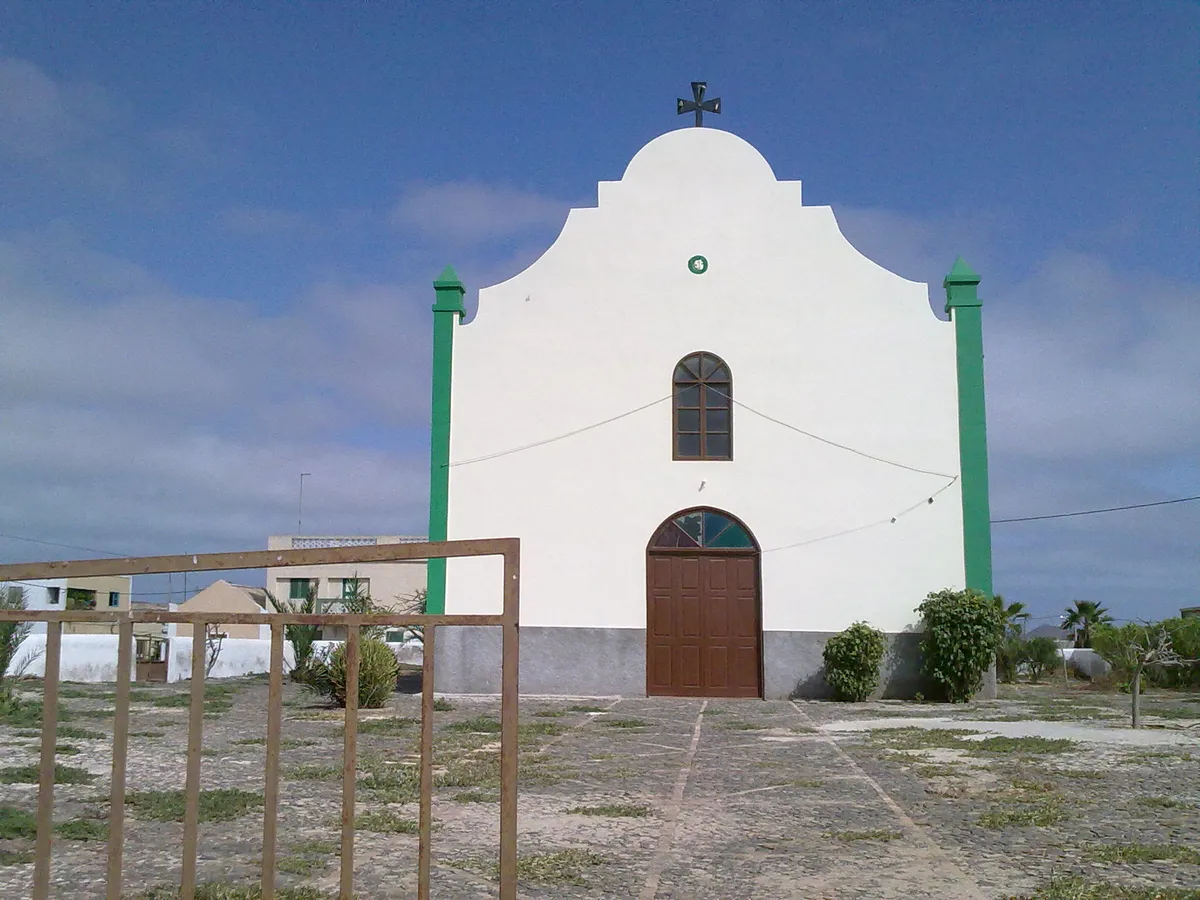
An inland area left out of tourism
Barely a dozen property sales are completed each year in the rural inland area.
Prices that do not move
A traditional house is valued at around 1,500,000 CVE, figures frozen in comparison with the coast.
Emigration and depopulation
Young people are moving to Sal Rei or Rabil in search of tourism jobs.
A missed opportunity
Property investment remains concentrated on the coastal strip.
Two speeds on the same island
While Boa Vista's coastal strip, led by Sal Rei, has undergone rapid transformation thanks to international tourism, the rural villages inland have kept a pace of life that has barely changed in decades. This difference is also reflected in infrastructure: while the coast receives steady investment in roads and services, the interior progresses far more slowly. Municipal officials acknowledge that the gap between the two development models has widened in recent years. For inland residents, this coexistence of two realities is becoming increasingly visible in their daily lives.
A market with barely any activity
The few sales that do take place in Rabil and Fundo das Figueiras tend to be transactions between relatives or inheritances, rather than open-market deals. The island's estate agents devote hardly any resources to this area, considering the volume of business not to justify the commercial effort. This absence of active intermediaries, in turn, helps keep prices virtually frozen. Some owners simply choose not to sell, leaving their houses shut up while they wait for better times.
The exodus towards tourism jobs
Every year, a significant number of young people from these rural villages move to Sal Rei or Rabil in search of jobs in hotels, catering or tourism services, where wages are more attractive than in the area's traditional farming or livestock work. This movement accelerates the ageing of the population that remains inland. Some families keep a dual residence, holding on to the family home while working on the coast. Local authorities warn that, without specific policies, the depopulation of the interior could worsen over the next decade.
Calls to diversify investment
Residents' groups from inland areas are calling for part of the public and private investment currently concentrated on the coast to also go towards improving infrastructure and opportunities inland. They believe rural or nature tourism could revitalise the area without replicating the intensive model of the coastal strip. Some small business owners are already exploring rural tourism ventures in Fundo das Figueiras, although still on a very small scale. For these stakeholders, Boa Vista's interior represents a development opportunity that, for now, remains almost entirely untapped.
More in News
Brava, Cape Verde's smallest island, watches its houses empty out in step with emigration
With just a few thousand inhabitants and a population that keeps shrinking, Nova Sintra has a property market that is nearly frozen, kept alive solely by diasp…
Ribeira Brava holds steady prices as emigration sets the market's pace
In São Nicolau, remittances from the diaspora sustain the building of family homes, but a lack of local buyers leaves a housing stock with many houses shut for…
Maio, the island where buying a home is still nearly impossible for lack of supply
With the least developed property market in all of Cape Verde, Vila do Maio records barely any sales, while emigration leaves homes standing empty, neither sol…
Volcanic risk is already shaping house prices in São Filipe
At the foot of the Pico do Fogo volcano, memories of the last eruption continue to weigh on the value of homes near the caldera, while São Filipe's town centre…