Pico's UNESCO-protected wine landscape drives up rural housing prices and holds back construction
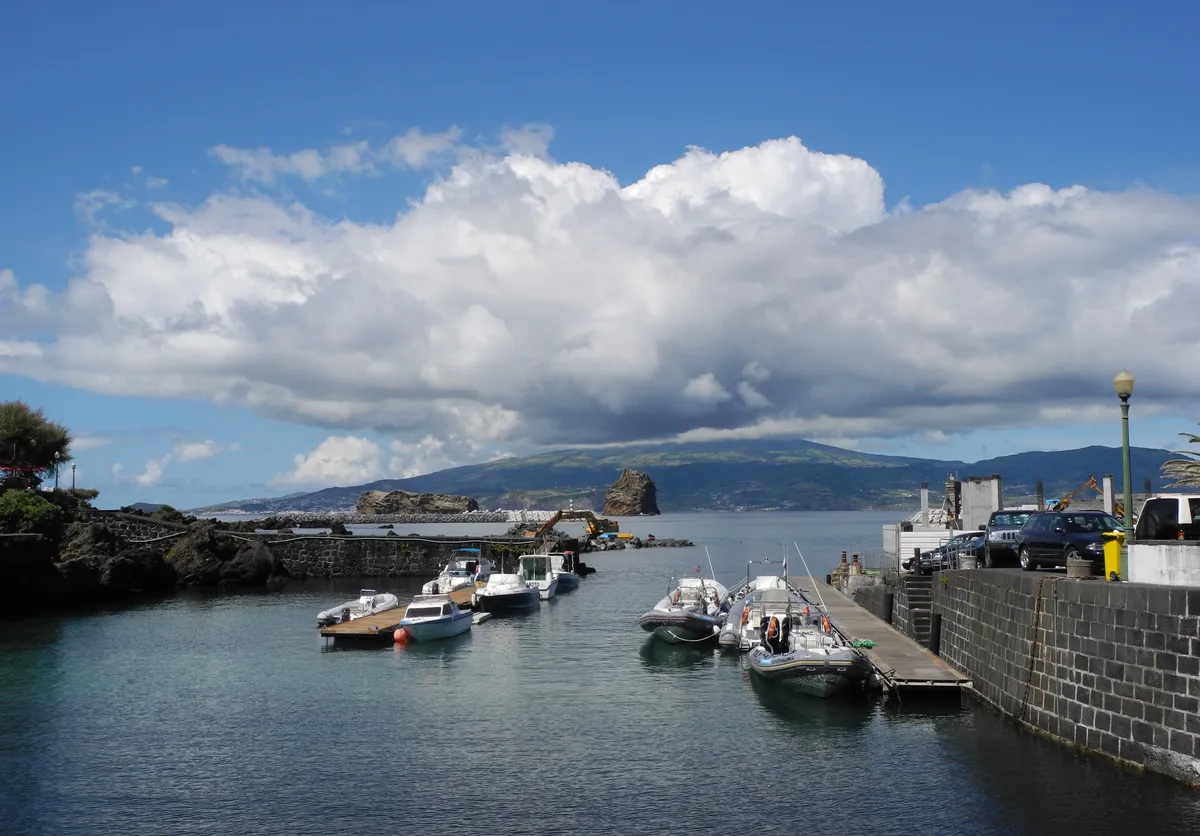
Pico, the archipelago's second-largest island and the one most easily recognised by its volcano, is undergoing a quiet transformation of its property market. The vine-growing landscape, recognised by UNESCO as a World Heritage Site, protects the network of black-stone curraletas that has defined the island for centuries, but that same protection is now limiting the housing supply at a time of growing demand, according to real-estate sources.
A market starting from a very low base
Pico's prices started out well below those of São Miguel or Faial, but property portals are now recording year-on-year rises of close to 10% in the areas of Madalena and São Roque do Pico, the island's two main towns.
Stone houses highly prized by outside buyers
Old basalt-stone houses, many of them historically linked to winemaking, have become highly desirable for foreign buyers seeking a second home or looking to develop rural and wine-tourism projects, according to estate agents consulted. Restoring them, however, is costly and subject to strict heritage constraints.
Heritage restrictions, a double-edged sword
UNESCO protection bars new construction across large parts of the wine landscape and severely restricts renovations to existing buildings, which preserves the island's scenic value but limits room for the housing stock to grow. Winegrowers themselves complain that the shortage of available land also affects the expansion of their own holdings.
Young people emigrate as land prices climb
While the value of estates linked to wine and wine tourism keeps rising, much of the island's young population continues to leave for São Miguel or the mainland in search of work, a contrast that worries local producers' associations.
What the authorities are proposing
The regional wine institute and the Câmara Municipal, in both Madalena and São Roque do Pico, are studying ways to reconcile protection of the wine landscape with incentives for renovating housing for permanent residents, without jeopardising UNESCO recognition.
More in News
Brava, Cape Verde's smallest island, watches its houses empty out in step with emigration
With just a few thousand inhabitants and a population that keeps shrinking, Nova Sintra has a property market that is nearly frozen, kept alive solely by diasp…
Ribeira Brava holds steady prices as emigration sets the market's pace
In São Nicolau, remittances from the diaspora sustain the building of family homes, but a lack of local buyers leaves a housing stock with many houses shut for…
Maio, the island where buying a home is still nearly impossible for lack of supply
With the least developed property market in all of Cape Verde, Vila do Maio records barely any sales, while emigration leaves homes standing empty, neither sol…
Volcanic risk is already shaping house prices in São Filipe
At the foot of the Pico do Fogo volcano, memories of the last eruption continue to weigh on the value of homes near the caldera, while São Filipe's town centre…