New-build housing is reduced to a bare minimum on El Hierro by Biosphere Reserve restrictions
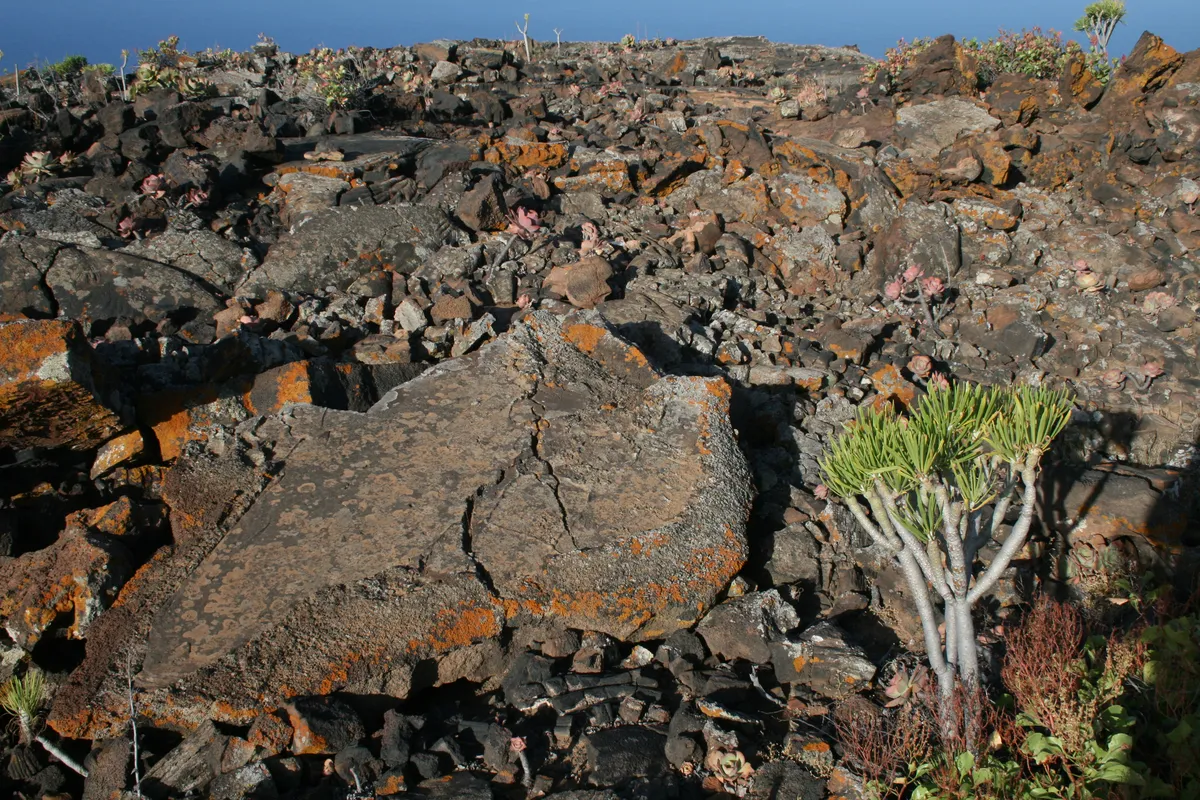
An island protected from end to end
El Hierro was declared a Biosphere Reserve by Unesco in 2000, with strict limits on urban growth.
Developable land, a scarce commodity
The little land zoned for development is concentrated in Valverde, Tigaday and Las Casas.
Developers turning to refurbishment
Refurbishment already accounts for the majority of building consents processed.
The debate between conservation and housing need
The Cabildo defends the tourism value of the Reserve, but acknowledges the tension with the need for housing.
Few alternatives in sight
The market will go on depending on resales and the refurbishment of existing homes.
A model unlike the rest of the Canaries
While other islands in the archipelago wrestle with debates about releasing more developable land to meet tourist and residential demand, El Hierro has kept a model that has been all but frozen in that respect for more than two decades. The Biosphere Reserve designation in 2000 marked a turning point that permanently curbed the growth of new development outside settlements that were already established. Technical officers at the Cabildo point out that this model, conceived in the first place to protect the landscape, has had the side effect of leaving the island with virtually no new housing at all.
Local developers, a small-scale sector
Unlike other islands, El Hierro has no large developers operating on it, only small local builders who put up at most a few detached houses a year. That slender business base goes some way to explaining why new building has never accounted for a significant share of the island economy, even before the Biosphere Reserve restrictions came in. The few schemes that do go through planning tend to be self-build family homes rather than properties for the open market.
Land prices pushed up by scarcity
The small area zoned for development in Valverde, Tigaday and Las Casas has sent the price per square metre of buildable land soaring, far above what might be expected on a sparsely populated island. Owners of the few available plots receive offers regularly, though they are not always willing to sell. That dynamic reinforces the appeal of refurbishment over building from scratch, as the latter becomes an ever more expensive option.
Calls to review planning policy without giving up protection
Some professional bodies in the construction sector are calling for a targeted review of planning policy that would release small pockets of land without jeopardising the island's Biosphere Reserve status. They point to arrangements used in other protected territories, where conservation is reconciled with tightly controlled low-density development. The Cabildo, for its part, maintains that any change along those lines would require broad consensus and an impact assessment that has not so far been undertaken.
More in News
Brava, Cape Verde's smallest island, watches its houses empty out in step with emigration
With just a few thousand inhabitants and a population that keeps shrinking, Nova Sintra has a property market that is nearly frozen, kept alive solely by diasp…
Ribeira Brava holds steady prices as emigration sets the market's pace
In São Nicolau, remittances from the diaspora sustain the building of family homes, but a lack of local buyers leaves a housing stock with many houses shut for…
Maio, the island where buying a home is still nearly impossible for lack of supply
With the least developed property market in all of Cape Verde, Vila do Maio records barely any sales, while emigration leaves homes standing empty, neither sol…
Volcanic risk is already shaping house prices in São Filipe
At the foot of the Pico do Fogo volcano, memories of the last eruption continue to weigh on the value of homes near the caldera, while São Filipe's town centre…