Madeira's tourist coast is running out of housing for waiters, chefs and cleaning staff
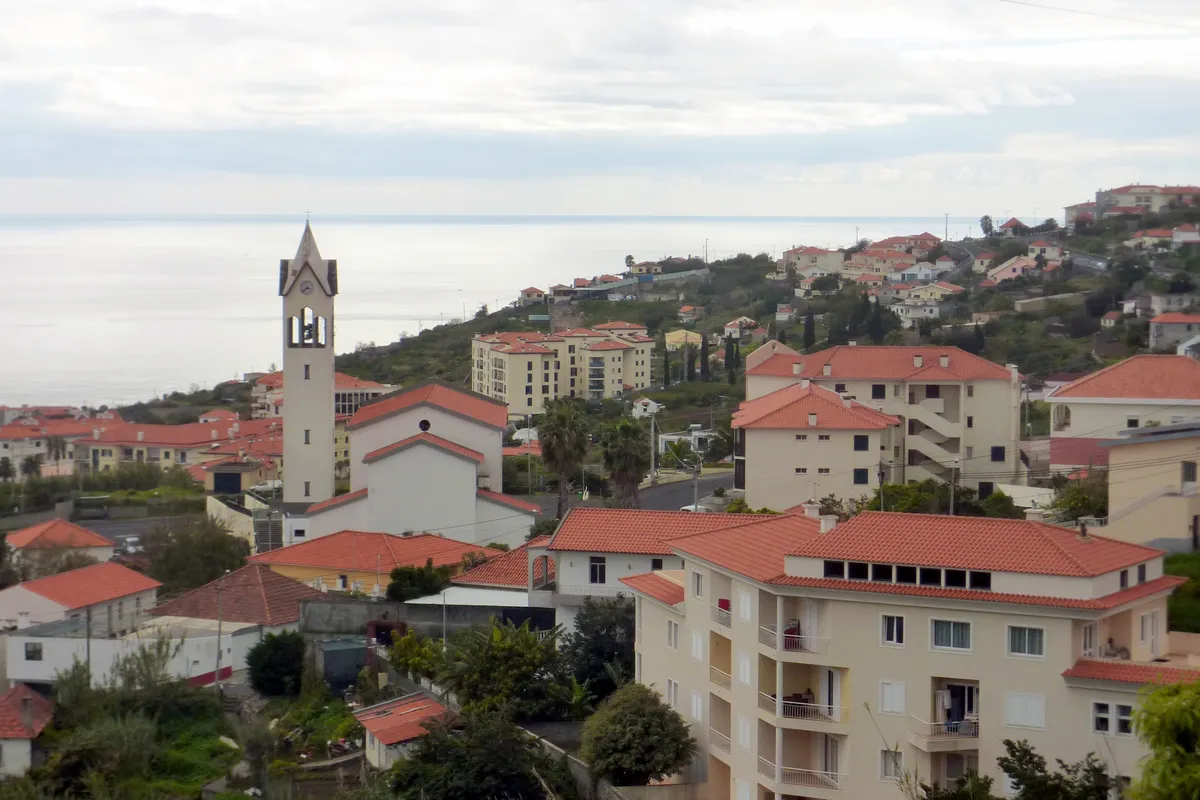
The sector that underpins the island economy has nowhere to live
In Caniço, where hotels are concentrated, service jobs are becoming harder to fill.
Holiday lets versus long-term rentals
Homes near the hotel districts are going into holiday letting, which pays better than long-term rental.
Staff commuting in each day from other concelhos
Hospitality workers live far from where they work and face long journeys.
Hotels start providing housing of their own
Some establishments are fitting out their own accommodation for part of their workforce.
A problem that grows with every new season
Madeira's hospitality associations warn that the difficulty of filling posts for waiters, chefs and cleaning staff worsens with every new high season, forcing some establishments to cut back services or to bring in temporary staff hired off the island. This labour shortage sits awkwardly alongside tourist demand that keeps on growing, particularly on the south coast between Funchal and Caniço. Operators in the sector acknowledge that the lack of affordable housing has become as serious an obstacle as the availability of skilled workers itself. The problem, they say, threatens to cap the island's own tourism growth.
Caniço, the epicentre of the strain
The concentration of large hotel complexes in Caniço has made the town the place where the tension between holiday lets and long-term rentals is felt most sharply. Former family homes in the town centre have been converted into short-stay tourist flats, drawn by returns far above those of traditional letting. Long-standing residents complain that there is barely any housing left to rent at a reasonable price within the municipality. The situation forces much of the staff working in local hotels to look for somewhere to live in neighbouring concelhos.
Long daily journeys to work
Hospitality workers who cannot find affordable housing near their workplace face daily journeys of an hour or more between home and the hotels on the tourist coast, relying on public transport that does not always fit the split shifts common in the sector. These journeys add considerable physical strain to days that are demanding enough already, and several sector unions have called for better night bus services. Some employees have simply moved into another line of work, unable to reconcile shift patterns with transport. Staff turnover at some hotels is put down in part to this factor.
Company housing, a partial answer
Faced with the difficulty of retaining staff, several hotels on the tourist coast have begun fitting out buildings they own or rent as accommodation for part of their workforce, an arrangement common in other mature tourist destinations. It spares workers the daily commute, though sector unions are asking for guarantees on the standard of this housing and on keeping it separate from the employment contract. Smaller establishments lack the resources to offer anything similar and continue to depend on staff travelling in from other concelhos. The sector agrees that it is a necessary stopgap for as long as the underlying problem of affordable housing on the island goes unaddressed.
More in News
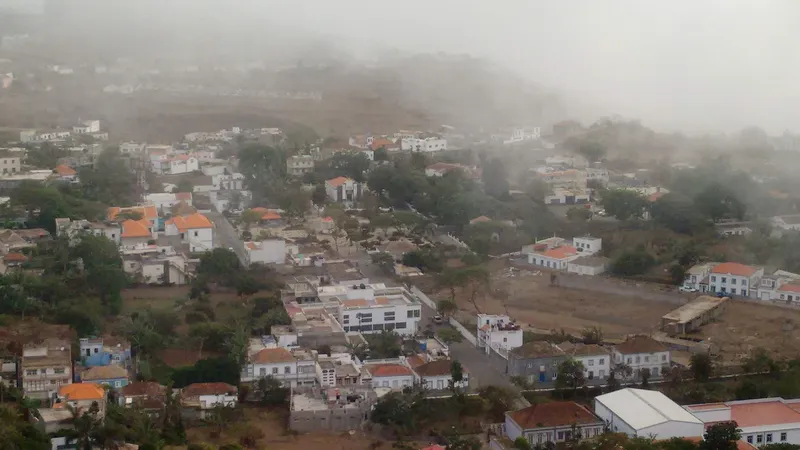
Brava, Cape Verde's smallest island, watches its houses empty out in step with emigration
With just a few thousand inhabitants and a population that keeps shrinking, Nova Sintra has a property market that is nearly frozen, kept alive solely by diasp…
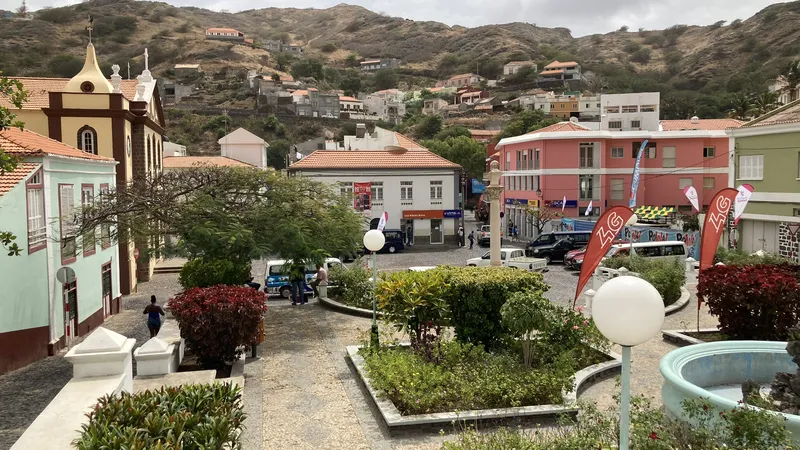
Ribeira Brava holds steady prices as emigration sets the market's pace
In São Nicolau, remittances from the diaspora sustain the building of family homes, but a lack of local buyers leaves a housing stock with many houses shut for…
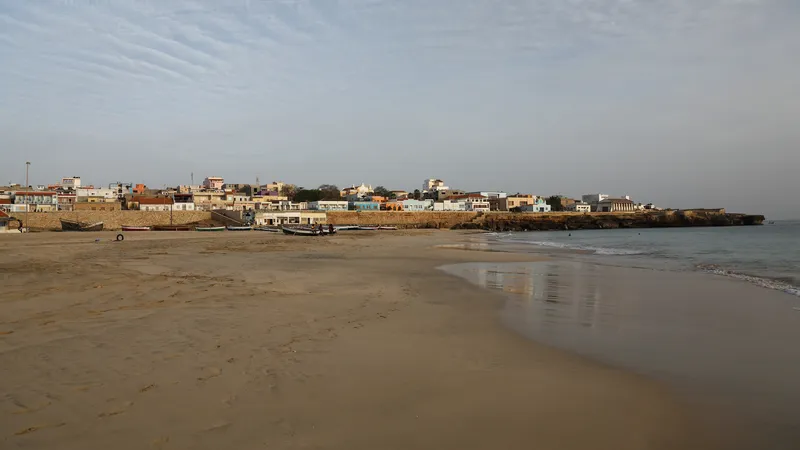
Maio, the island where buying a home is still nearly impossible for lack of supply
With the least developed property market in all of Cape Verde, Vila do Maio records barely any sales, while emigration leaves homes standing empty, neither sol…
Volcanic risk is already shaping house prices in São Filipe
At the foot of the Pico do Fogo volcano, memories of the last eruption continue to weigh on the value of homes near the caldera, while São Filipe's town centre…