Luxury villas and apartments sit empty for much of the year in Sal's coastal developments
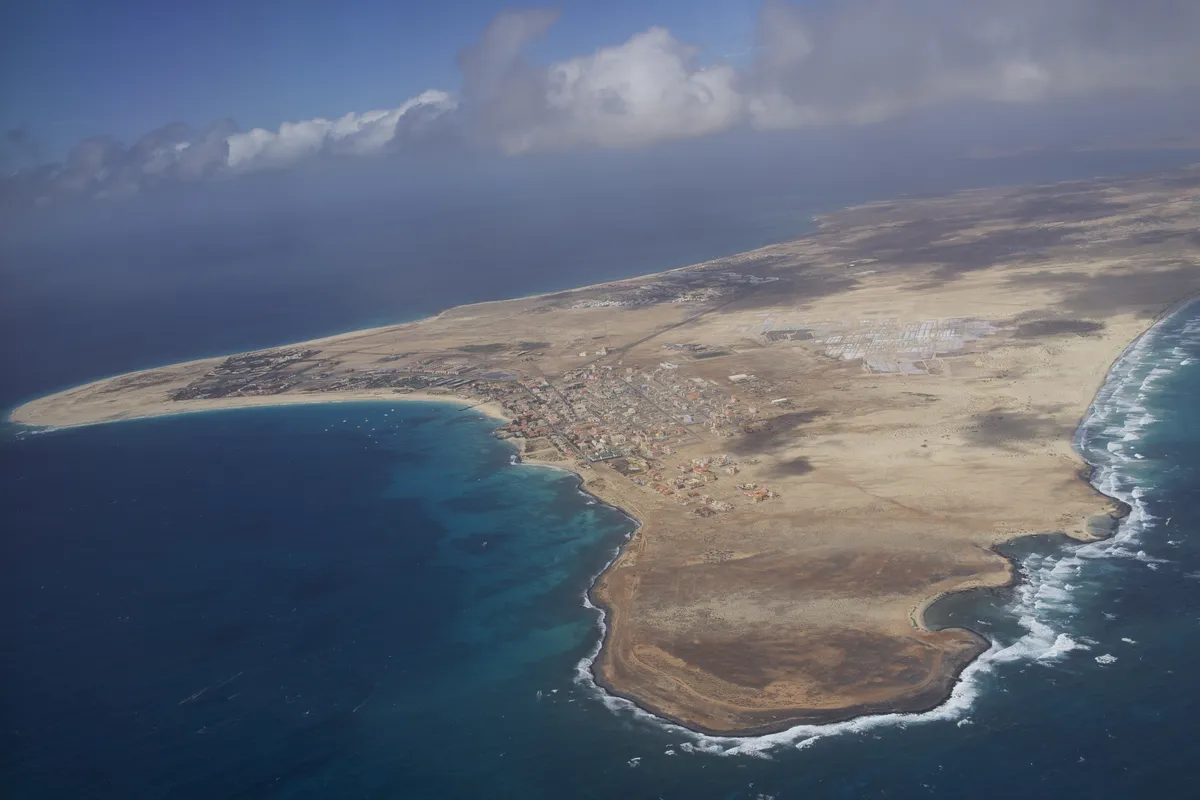
Developments that only fill up during high season
Up to 60% of units remain closed for most of the year.
Prices in a premium segment
A villa with a private pool sells for around 22,000,000 CVE.
Services running at half throttle
Maintenance companies manage properties that are occupied for barely two or three months a year.
Impact on the urban fabric
Some newly built areas remain half-empty outside the season.
Management companies facing irregular occupancy
Property management firms operating in Sal's coastal developments explain that many of their clients only visit their property during the European high season, between November and March. For the rest of the year, these companies are limited to basic maintenance, security and pool cleaning, with the property generating no additional income. Some managers note that more and more foreign owners are choosing to list their villas on holiday rental platforms to generate income during the months of lower use. Other owners, however, prefer to keep their property private and rule out renting it to third parties.
Comparison with Boa Vista and other tourist islands
The pattern of low-occupancy villas owned by foreigners is repeated in Boa Vista, although in Sal the phenomenon affects a higher market segment due to the island's more established international tourism industry. Estate agents operating on both islands say prices in Santa Maria and Sal's coastal developments clearly exceed those in neighbouring Boa Vista. Industry analysts believe this difference stems from the longer history of tourism development in Sal and the presence of buyers with greater purchasing power. In both cases, the result is seasonal occupancy that shapes life in nearby neighbourhoods.
Effects on local employment
Maintenance and gardening workers in these developments acknowledge that their work is concentrated in the months of highest occupancy, making it hard to maintain stable employment throughout the year. Some companies have chosen to diversify their services to other developments or to the hotel sector to offset the drop in activity out of season. Local unions have pointed to the precariousness of jobs tied so directly to foreign owners' calendars. Sal town council acknowledges the challenge of generating stable employment within a model so dependent on seasonality.
The debate over new construction in already half-empty areas
Despite the low occupancy of much of the existing stock, developers continue to apply for permits for new developments along Sal's coast, drawn by steady demand from foreign buyers. Voices within the property sector question whether it makes sense to keep building while a significant share of existing homes remain closed for most of the year. The town council maintains that each project is assessed individually and that international demand remains strong. Residents of neighbouring areas are calling for infrastructure to be prioritised for permanent residents before new construction phases are approved.
More in News
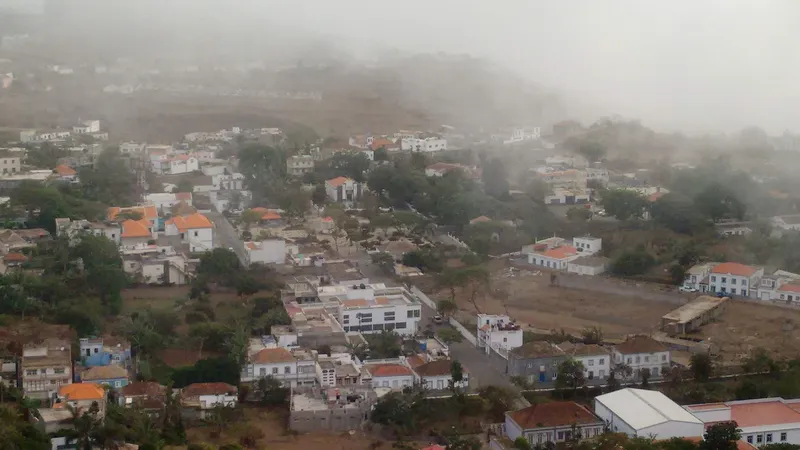
Brava, Cape Verde's smallest island, watches its houses empty out in step with emigration
With just a few thousand inhabitants and a population that keeps shrinking, Nova Sintra has a property market that is nearly frozen, kept alive solely by diasp…
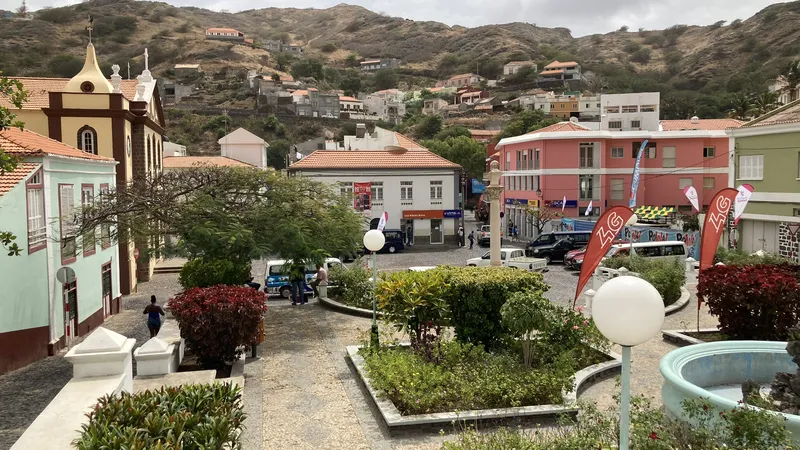
Ribeira Brava holds steady prices as emigration sets the market's pace
In São Nicolau, remittances from the diaspora sustain the building of family homes, but a lack of local buyers leaves a housing stock with many houses shut for…
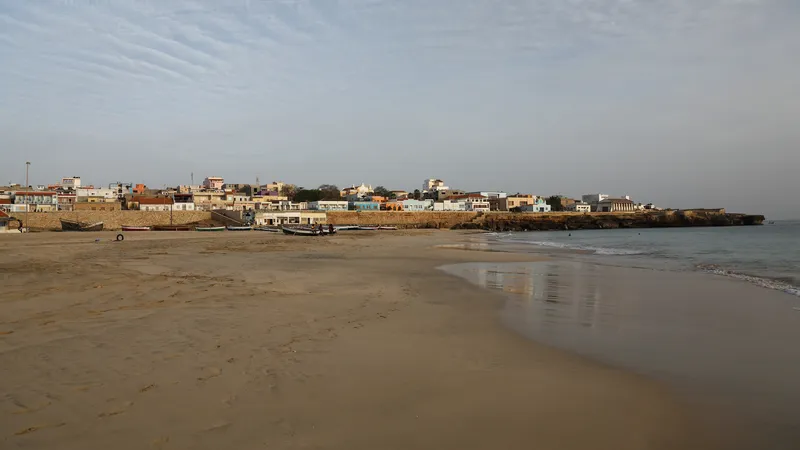
Maio, the island where buying a home is still nearly impossible for lack of supply
With the least developed property market in all of Cape Verde, Vila do Maio records barely any sales, while emigration leaves homes standing empty, neither sol…
Volcanic risk is already shaping house prices in São Filipe
At the foot of the Pico do Fogo volcano, memories of the last eruption continue to weigh on the value of homes near the caldera, while São Filipe's town centre…