Hiking boom at the volcano worsens housing shortage for seasonal workers and guides in Fogo
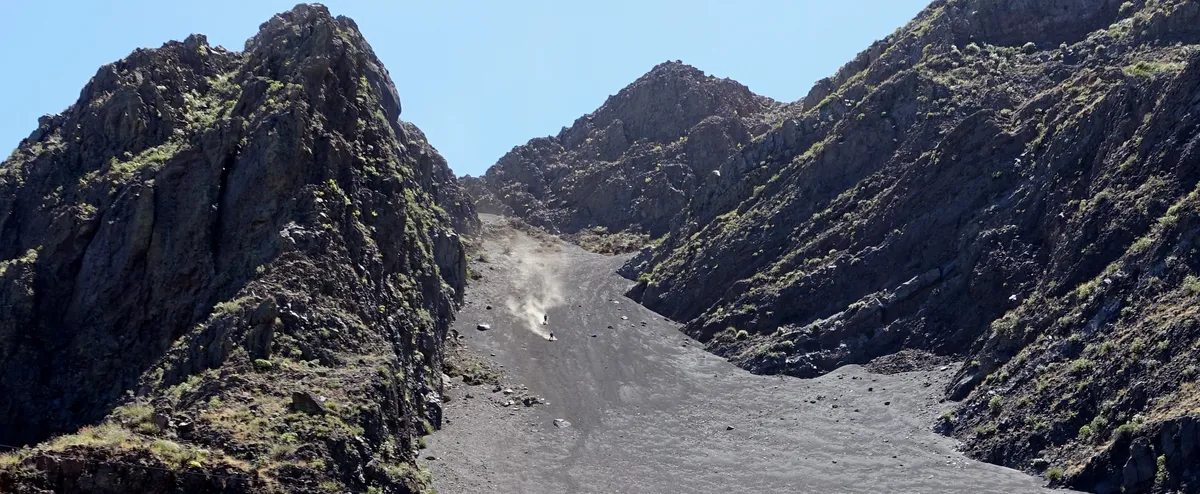
Two sources of demand competing for the same ground
Guides, porters and seasonal farm workers are competing for the same scarce housing in Bordeira and Portela.
Guides and porters with nowhere to rent
A small rental in Bordeira is quickly snapped up for more than 12,000 CVE a month.
Seasonal farm workers facing the same problem
Many stay in relatives' homes for lack of temporary housing.
Prices rising in the villages that give access to the volcano
A modest home in Bordeira is now listed at more than 2,200,000 CVE.
Bordeira and Portela, at the centre of the double demand
These two access points to Pico do Fogo host both hiking-related tourism and the farming activity tied to the vineyards and fields around the volcano. The limited housing supply forces guides and seasonal workers to compete for the same available rooms. The situation gets particularly bad during the months of peak tourist numbers and harvest.
Guides who cannot find anywhere to live
A small rental in Bordeira is now quickly snapped up for more than 12,000 CVE a month, a high figure against the average salary of a mountain guide. Several professionals in the sector choose to share housing between several guides to cover the cost. Local hiking agencies acknowledge that the lack of accommodation limits their ability to hire permanent staff.
Seasonal farm workers housed with relatives
With no dedicated temporary housing available, many farm workers arriving for the harvest stay in the homes of relatives or acquaintances in the villages themselves. This informal solution is not always enough at peak periods of labour demand. Local farming cooperatives have floated the idea of setting up temporary collective accommodation.
Sale prices also rising at the volcano's access points
A modest home in Bordeira is now listed at more than 2,200,000 CVE, a figure that would have been unthinkable in the area just a few years ago. The boom in nature tourism linked to Pico do Fogo accounts for much of this rise in value. Long-time residents warn that it is becoming increasingly difficult for local families to own a home in their own village.
More in News
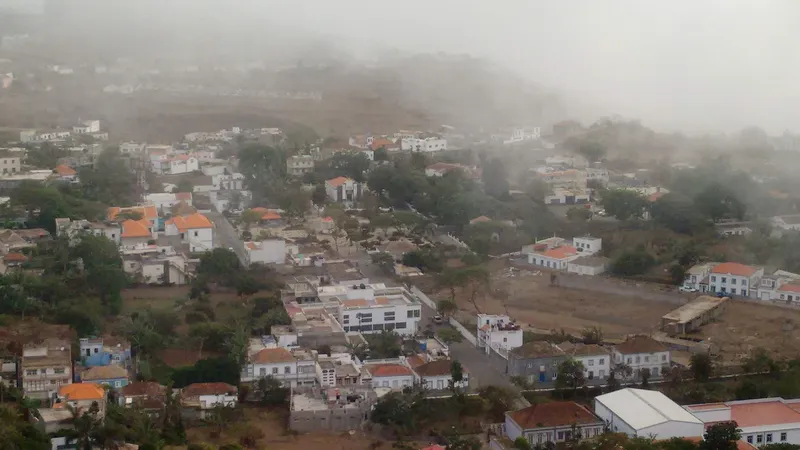
Brava, Cape Verde's smallest island, watches its houses empty out in step with emigration
With just a few thousand inhabitants and a population that keeps shrinking, Nova Sintra has a property market that is nearly frozen, kept alive solely by diasp…
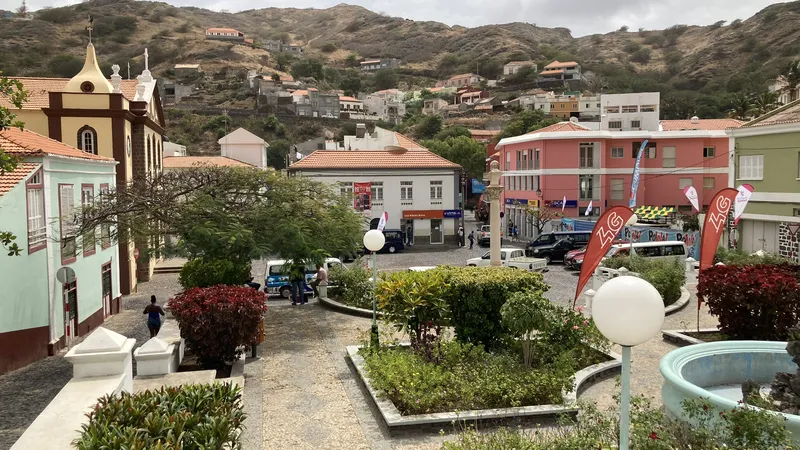
Ribeira Brava holds steady prices as emigration sets the market's pace
In São Nicolau, remittances from the diaspora sustain the building of family homes, but a lack of local buyers leaves a housing stock with many houses shut for…
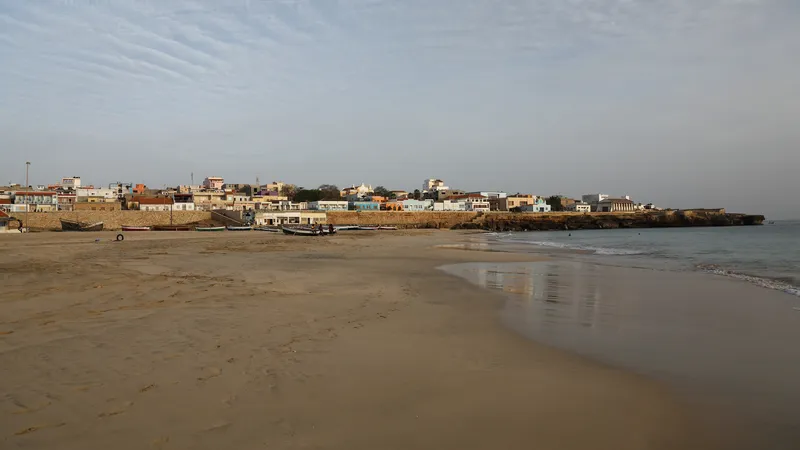
Maio, the island where buying a home is still nearly impossible for lack of supply
With the least developed property market in all of Cape Verde, Vila do Maio records barely any sales, while emigration leaves homes standing empty, neither sol…
Volcanic risk is already shaping house prices in São Filipe
At the foot of the Pico do Fogo volcano, memories of the last eruption continue to weigh on the value of homes near the caldera, while São Filipe's town centre…