Graciosa's farmland and vineyards, a heritage that holds back building
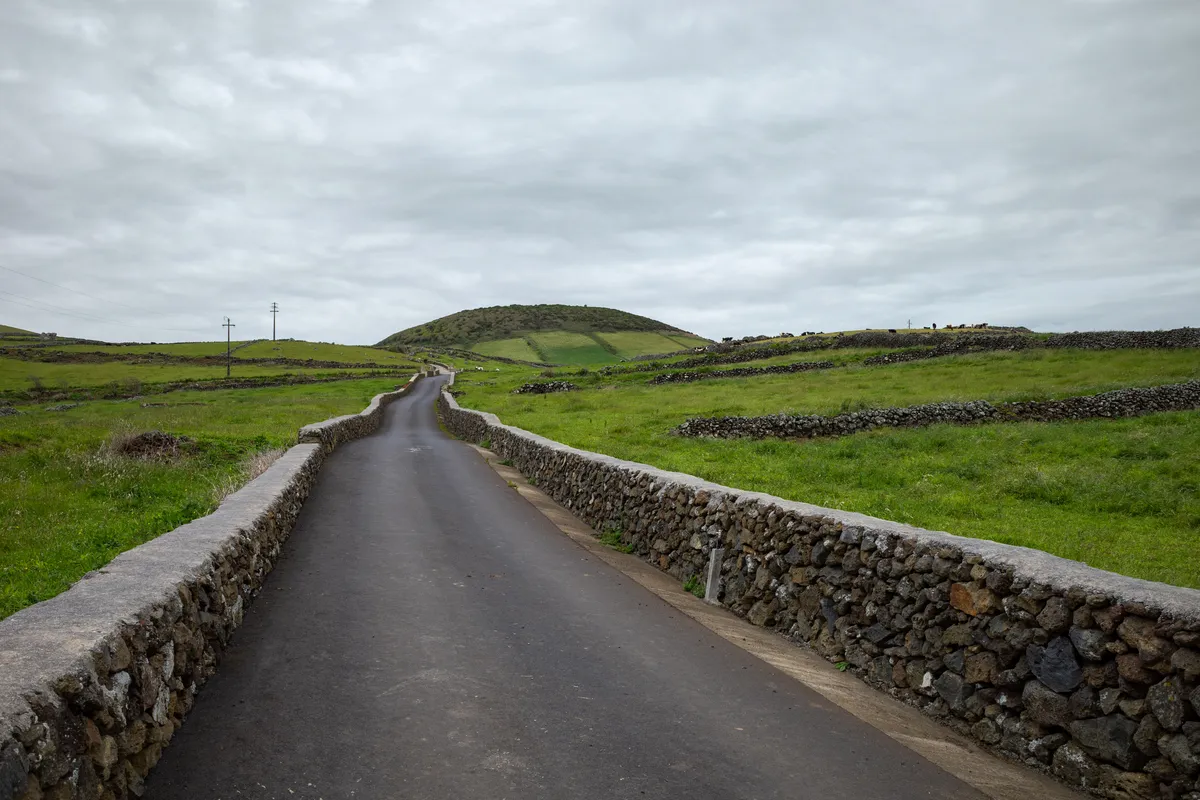
An island that is still very rural
The landscape is dominated by pastures, farmland and traditional vine plots protected by currais.
Small vineyards, high symbolic value
The scarce vine plots draw interest from buyers seeking a second home with a garden.
The brake of protected rural land
Grazing land is classified as protected agricultural land, with no possibility of conversion.
Contained pressure, but closely watched
Were the restrictions eased, demand for rural plots for housing would appear immediately.
Graciosa, the white island of the Azores
Popularly known as the white island for the predominant colour of its houses and traditional windmills, Graciosa retains a rural landscape little altered compared with more tourism-developed Azorean islands such as São Miguel or Terceira. This tidy, uniform overall image is part of the appeal cited by those seeking a second home away from more crowded circuits. The council itself promotes this visual identity as part of the island's tourism strategy. For many residents, keeping that rural character intact matters just as much as any property-market consideration.
Currais wine, an island tradition
The currais system, small stone enclosures that shelter vines from the Atlantic wind, is a distinctive technique that sets Graciosa's wine-growing landscape apart from the rest of the Azorean archipelago. These plots, small and highly fragmented among different owners, produce wine that is mostly consumed locally or within families, with barely any large-scale sale. This fragmentation makes it difficult for the few available plots to reach an open property market, since they tend to pass down within the family circle. When one does come up for sale, it draws interest out of all proportion to its small size.
Little property pressure for now
Unlike other Azorean islands where tourism has sent rural housing prices soaring, Graciosa still has comparatively low property pressure, partly due to its limited air and sea connectivity. Local agents acknowledge that the number of annual transactions remains small, with a market largely confined to island residents or their direct descendants. Landscape-protection groups are keeping a close eye on any sign of change in this trend, mindful of what has happened on larger neighbouring islands. For now, protected rural land acts as an effective barrier against demand that remains contained.
Voices calling to keep the status quo
Agricultural and environmental associations on Graciosa are pushing to keep the current classification of rural land unchanged, arguing that experience on other Azorean islands shows the risks of relaxing protection rules too far. They specifically cite the case of São Miguel, where property pressure has transformed rural areas once similar to Graciosa's. For these groups, the island's small size makes preserving the current balance between farming and housing all the more urgent. The debate over that balance remains open, though for now with no regulatory changes in sight.
More in News
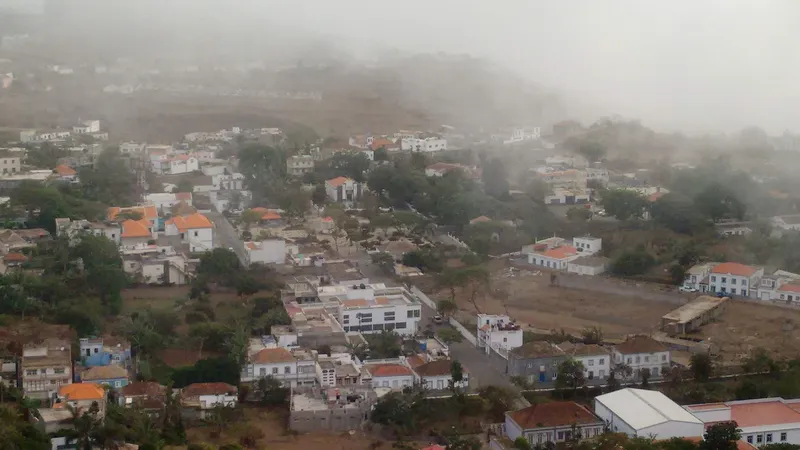
Brava, Cape Verde's smallest island, watches its houses empty out in step with emigration
With just a few thousand inhabitants and a population that keeps shrinking, Nova Sintra has a property market that is nearly frozen, kept alive solely by diasp…
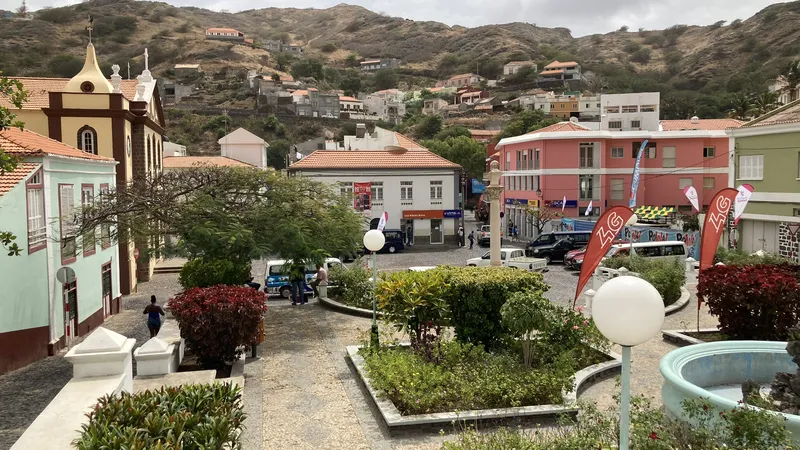
Ribeira Brava holds steady prices as emigration sets the market's pace
In São Nicolau, remittances from the diaspora sustain the building of family homes, but a lack of local buyers leaves a housing stock with many houses shut for…
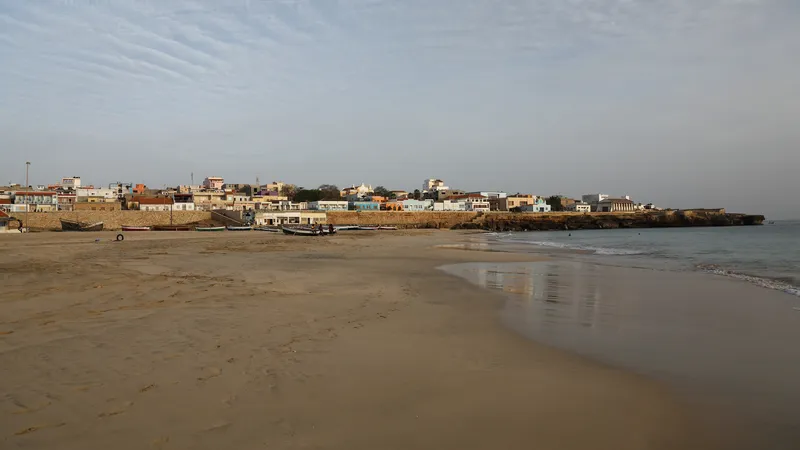
Maio, the island where buying a home is still nearly impossible for lack of supply
With the least developed property market in all of Cape Verde, Vila do Maio records barely any sales, while emigration leaves homes standing empty, neither sol…
Volcanic risk is already shaping house prices in São Filipe
At the foot of the Pico do Fogo volcano, memories of the last eruption continue to weigh on the value of homes near the caldera, while São Filipe's town centre…